
Many people experience persistently cold feet, especially during colder months—but when the sensation lingers regardless of temperature, it may signal an underlying issue. Cold feet aren't just uncomfortable; they can affect sleep, mood, and daily comfort. While occasional chilliness is normal, constant coldness in the feet deserves attention. Understanding the root causes—from poor circulation to medical conditions—can help you take effective steps toward lasting relief.
Common Causes of Chronically Cold Feet
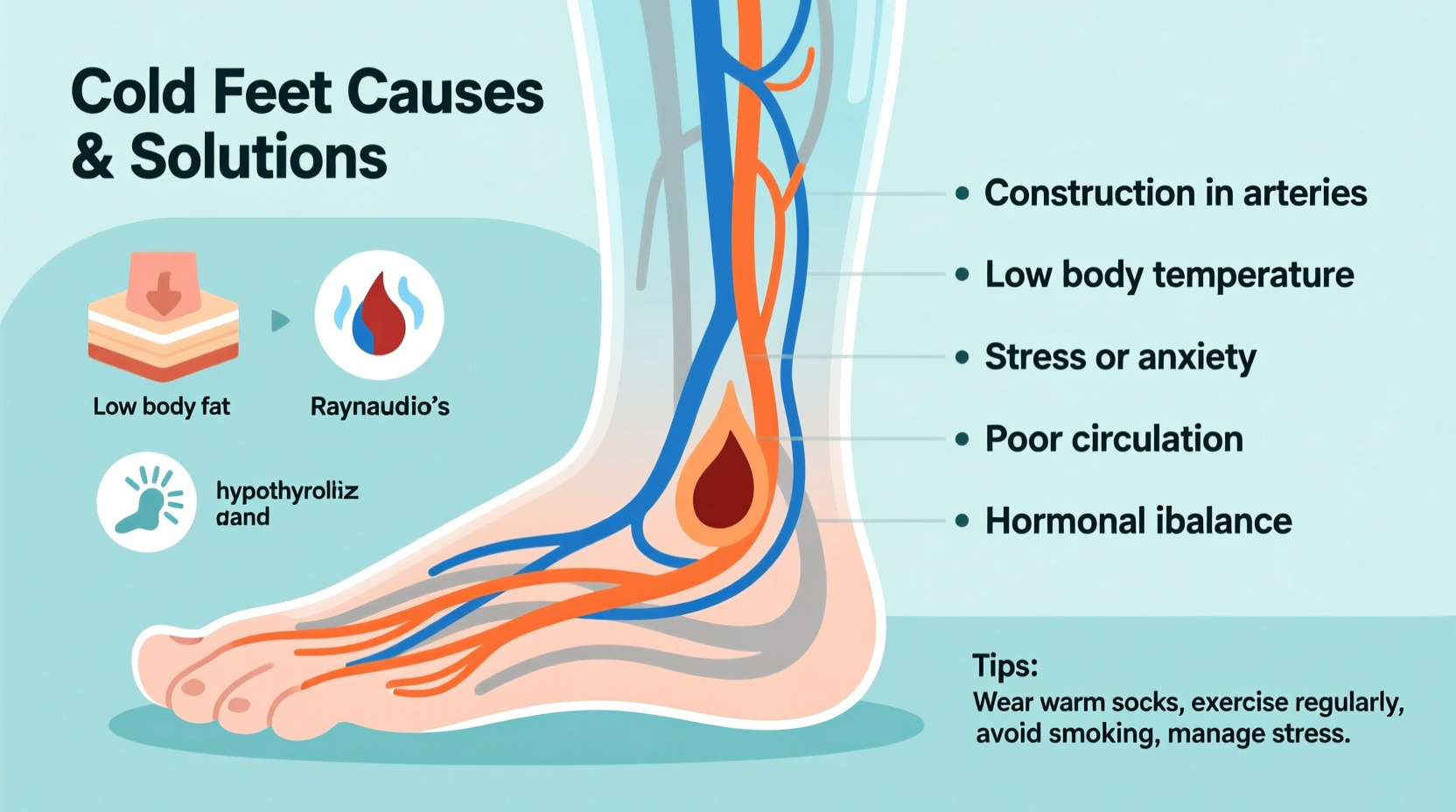
The human body prioritizes core temperature over extremities. When temperatures drop, blood flow shifts away from hands and feet to protect vital organs. But if your feet feel cold even in warm environments, the cause may go beyond weather. Several factors contribute to this persistent sensation:
- Poor circulation: Reduced blood flow limits warmth delivery to extremities.
- Anemia: Low red blood cell count impairs oxygen transport, reducing heat generation.
- Hypothyroidism: An underactive thyroid slows metabolism, lowering body heat production.
- Raynaud’s phenomenon: Blood vessels in extremities overreact to cold or stress, causing temporary constriction.
- Diabetes: Nerve damage (neuropathy) and vascular issues often lead to poor circulation in the feet.
- Nerve disorders: Peripheral neuropathy disrupts temperature regulation signals.
- Smoking: Nicotine constricts blood vessels, reducing peripheral circulation.
- Low body weight: Less body fat means reduced natural insulation.
“Persistent cold feet should not be dismissed as normal, especially when accompanied by numbness or color changes. It can be an early sign of circulatory or neurological problems.” — Dr. Lena Patel, Vascular Medicine Specialist
Medical Conditions Linked to Cold Feet
While lifestyle plays a role, certain medical conditions frequently manifest through chronically cold feet. Recognizing these links can prompt earlier diagnosis and better outcomes.
Peripheral Artery Disease (PAD)
A condition where narrowed arteries reduce blood flow to limbs. Symptoms include cold feet, leg pain during walking, and slow-healing sores. PAD increases the risk of heart attack and stroke, making early detection crucial.
Peripheral Neuropathy
Often caused by diabetes, this nerve damage affects sensation in the feet. Patients may report burning, tingling, or paradoxically, a constant feeling of cold—even when feet are warm to the touch.
Autoimmune Disorders
Conditions like lupus, scleroderma, and rheumatoid arthritis can impact blood vessel health and trigger Raynaud’s episodes, leading to intermittent but severe foot coldness.
Practical Steps to Warm Up Your Feet
You don’t need to live with cold feet. Simple lifestyle adjustments and targeted habits can significantly improve circulation and comfort.
1. Improve Circulation Through Movement
Sedentary behavior reduces blood flow. Regular physical activity—especially walking, cycling, or yoga—stimulates circulation. Even five-minute movement breaks every hour can make a difference.
2. Wear Proper Footwear Year-Round
Choose insulated, moisture-wicking socks made from wool or synthetic blends. Avoid tight shoes that restrict blood flow. Consider thermal insoles during winter.
3. Maintain a Healthy Weight
Body fat provides natural insulation. Being underweight can increase susceptibility to cold extremities. A balanced diet rich in iron, B12, and omega-3 fatty acids supports both circulation and metabolic health.
4. Quit Smoking
Smoking damages blood vessels and promotes vasoconstriction. Within weeks of quitting, circulation begins to improve, often leading to warmer hands and feet.
5. Manage Stress
Chronic stress triggers the sympathetic nervous system, which can narrow blood vessels. Mindfulness, deep breathing, and regular exercise help regulate this response.
| Do’s | Don’ts |
|---|---|
| Wear layered socks in cold weather | Use direct heat sources like heating pads on high |
| Elevate legs occasionally to boost circulation | Wear tight socks or restrictive footwear |
| Stay hydrated to support blood volume | Sit for hours without moving |
| Exercise regularly to stimulate blood flow | Ignore numbness or discoloration |
Step-by-Step Guide to Managing Cold Feet at Home
If you're looking for a structured approach to addressing cold feet, follow this seven-day action plan to build healthier habits:
- Day 1: Assess your footwear and sock choices. Replace cotton socks with wool or thermal options.
- Day 2: Begin a daily 20-minute walk to stimulate circulation.
- Day 3: Check your diet for iron-rich foods (spinach, lentils, red meat) and vitamin B12 (eggs, dairy, fortified cereals).
- Day 4: Practice foot exercises—ankle circles, toe spreads, and foot rolls—to enhance blood flow.
- Day 5: Soak feet in warm (not hot) water for 15 minutes before bed. Dry thoroughly afterward.
- Day 6: Eliminate smoking or reduce exposure to secondhand smoke.
- Day 7: Schedule a check-up if symptoms persist—especially if you have diabetes or cardiovascular risk factors.
Real-Life Example: Maria’s Experience
Maria, a 48-year-old office worker, noticed her feet were always cold—even in summer. She wore thick socks at her desk and avoided going barefoot at home. After months of discomfort, she consulted her doctor and was diagnosed with mild hypothyroidism and iron-deficiency anemia. With prescribed medication, dietary changes (adding leafy greens and lean meats), and a daily walking routine, her foot temperature normalized within two months. Her case highlights how seemingly minor symptoms can point to treatable conditions.
Frequently Asked Questions
Why do my feet feel cold but aren’t actually cold to the touch?
This disconnect often points to nerve-related issues such as peripheral neuropathy or Raynaud’s. The brain receives incorrect temperature signals due to damaged nerves or vascular spasms, creating a false sensation of coldness.
Can dehydration cause cold feet?
Yes. Dehydration reduces blood volume, which can impair circulation to extremities. Staying well-hydrated ensures optimal blood flow and helps maintain body temperature.
Are cold feet a sign of heart problems?
Not always, but poor circulation from heart conditions like congestive heart failure or PAD can lead to cold feet. If you have additional symptoms—shortness of breath, fatigue, chest pain—seek medical evaluation.
Action Checklist: What to Do About Cold Feet
- ✅ Evaluate your footwear and switch to insulated, non-restrictive shoes and socks
- ✅ Start a daily walking routine (minimum 20 minutes)
- ✅ Review your diet for iron, B12, and thyroid-supportive nutrients (iodine, selenium)
- ✅ Avoid smoking and limit caffeine, which can constrict blood vessels
- ✅ Monitor for warning signs: numbness, discoloration, ulcers, or pain
- ✅ Consult a healthcare provider if symptoms last more than a few weeks
Final Thoughts and Next Steps
Chronically cold feet are more than a nuisance—they’re a signal from your body that something may need attention. Whether the cause is lifestyle-related or medical, taking proactive steps can restore comfort and prevent complications. Don’t dismiss persistent coldness as inevitable. With proper care, most people can achieve warmer, healthier feet.




 浙公网安备
33010002000092号
浙公网安备
33010002000092号 浙B2-20120091-4
Comments
No comments yet. Why don't you start the discussion?