
Waking up with clammy, chilly feet or struggling through the day with damp socks and discomfort is more than just a nuisance—it can be a sign of underlying health issues. While occasional foot sweat or temperature changes are normal, persistent cold and sweaty feet may point to circulatory, neurological, or dermatological conditions. Understanding the root causes and knowing how to respond can make a significant difference in both comfort and long-term foot health.
Understanding the Paradox: Cold + Sweaty Feet?
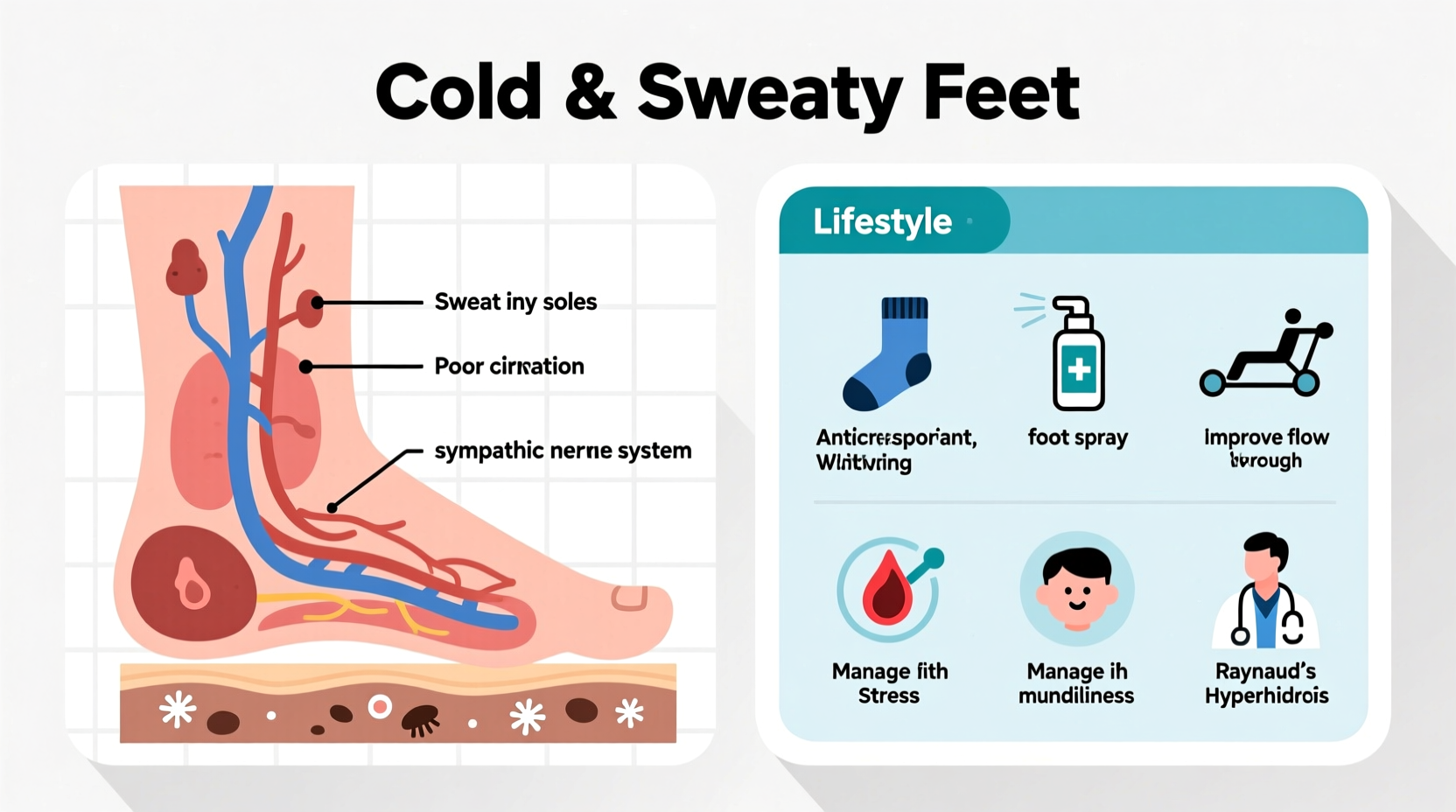
At first glance, cold and sweaty feet seem contradictory. Sweating typically occurs when the body is warm, yet many people report excessive perspiration alongside a sensation of coldness—especially at night or during periods of stress. This paradox often stems from autonomic nervous system activity, which regulates both temperature and sweat production.
The feet contain over 250,000 sweat glands per foot, making them one of the most sweat-prone areas of the body. When the sympathetic nervous system is overactive—due to stress, hormonal shifts, or disease—it can trigger sweat production even in cool environments. Simultaneously, poor circulation can prevent warmth from reaching the extremities, leaving feet feeling cold despite internal sweating.
Common Medical Causes
Several conditions can contribute to the combination of cold and sweaty feet. Identifying potential medical factors is crucial for effective treatment.
1. Hyperhidrosis (Excessive Sweating)
Primary focal hyperhidrosis affects areas like the palms, underarms, and feet without an underlying illness. It often begins in adolescence and may worsen with anxiety. While it doesn’t cause cold feet directly, the evaporation of sweat cools the skin rapidly, creating a chilled sensation.
2. Poor Circulation
Reduced blood flow—often due to peripheral artery disease (PAD), diabetes, or Raynaud’s phenomenon—limits heat delivery to the feet. When circulation is compromised, the body prioritizes core organs, leaving extremities cold. Sweating may persist as a separate response to stress or temperature dysregulation.
“Patients with diabetes frequently report cold, sweaty feet due to autonomic neuropathy. Early intervention can prevent complications like ulcers.” — Dr. Lena Torres, Vascular Neurologist
3. Autonomic Neuropathy
This nerve damage, commonly linked to diabetes, disrupts the autonomic nervous system's ability to regulate sweat and blood vessel constriction. The result? Inappropriate sweating combined with poor thermoregulation in the feet.
4. Hypothyroidism
An underactive thyroid slows metabolism, reducing body heat production. People with hypothyroidism often feel cold overall but may still experience localized sweating due to hormonal imbalances affecting sweat glands.
5. Anxiety and Stress Disorders
Stress activates the fight-or-flight response, increasing sweat production—particularly in the feet and hands—while simultaneously causing vasoconstriction, which reduces blood flow and leads to cold extremities.
Solutions and Management Strategies
Treating cold and sweaty feet requires a dual approach: managing sweat and improving circulation. The right strategy depends on the underlying cause, but several evidence-based methods can provide relief.
Daily Foot Care Routine
A consistent hygiene and care regimen helps minimize discomfort and prevents secondary issues like fungal infections.
- Wash feet daily with antiseptic soap and dry thoroughly, especially between toes.
- Use foot powders containing cornstarch or antifungal agents to absorb moisture.
- Apply antiperspirant to clean, dry feet before bed (wash off in the morning).
- Rotate shoes to allow full drying between uses.
Lifestyle Adjustments
Small changes in habits can significantly reduce symptoms.
| Do | Don’t |
|---|---|
| Wear breathable, moisture-wicking socks | Wear tight synthetic socks or plastic-lined shoes |
| Stay hydrated and maintain balanced nutrition | Skip meals or consume excess caffeine |
| Exercise regularly to boost circulation | Remain sedentary for long periods |
| Manage stress with meditation or breathing exercises | Ignore chronic anxiety or panic episodes |
Step-by-Step Guide to Relief
Follow this structured plan to address cold and sweaty feet systematically:
- Assess Symptoms: Note when symptoms occur (night, daytime, during stress), duration, and any related health conditions (diabetes, thyroid issues).
- Improve Footwear: Switch to breathable shoes with moisture-absorbing insoles. Avoid rubber or non-porous materials.
- Try Clinical-Grade Antiperspirants: Use aluminum chloride-based products (e.g., Drysol) 2–3 times weekly at night.
- Boost Circulation: Practice foot exercises, elevate legs when sitting, and avoid crossing legs.
- Consult a Doctor: If symptoms persist, seek evaluation for neuropathy, thyroid dysfunction, or vascular disease.
- Consider Advanced Treatments: Options include iontophoresis (water-based electrical therapy), Botox injections, or oral medications if diagnosed with hyperhidrosis.
Real-Life Example: Managing Symptoms Post-Diagnosis
Mark, a 47-year-old office worker, struggled with cold, sweaty feet for years. He changed socks multiple times a day and avoided sandals due to embarrassment. After developing numbness in his toes, he visited a neurologist. Tests revealed early diabetic neuropathy and mild hypothyroidism.
With treatment—including metformin, levothyroxine, and lifestyle changes—his symptoms improved dramatically. He started wearing copper-infused socks, began walking 30 minutes daily, and used prescription antiperspirant. Within three months, his feet felt warmer and drier. His case underscores the importance of not dismissing persistent foot symptoms as minor inconveniences.
Prevention and Long-Term Care Checklist
Use this checklist to maintain healthy feet and prevent recurrence:
- ✅ Check feet daily for blisters, sores, or discoloration (especially if diabetic)
- ✅ Choose shoes with ventilation and removable insoles
- ✅ Maintain stable blood sugar and hormone levels if diagnosed with related conditions
- ✅ Practice stress-reduction techniques like yoga or deep breathing
- ✅ Schedule annual foot exams with a podiatrist or primary care provider
- ✅ Avoid smoking, which severely impairs circulation
Frequently Asked Questions
Can cold and sweaty feet be a sign of diabetes?
Yes. Diabetic neuropathy can disrupt nerve signals that control sweat and blood flow. Combined with poor circulation, this often leads to cold, sweaty, or tingling feet. Regular monitoring is essential for early detection.
Why do my feet sweat at night but feel cold?
Nocturnal sweating with cold feet may indicate hormonal imbalances (like low thyroid function), autonomic dysfunction, or sleep-related anxiety. Room temperature and bedding material can also play a role—opt for breathable cotton sheets and avoid electric blankets.
Are there natural remedies for sweaty feet?
Yes. Natural options include tea soaks, baking soda foot baths, and essential oils like tea tree or lavender (diluted). However, these offer temporary relief and should complement—not replace—medical treatments for chronic cases.
Take Control of Your Comfort and Health
Cold and sweaty feet are more than a minor annoyance—they can signal deeper physiological imbalances. Whether the cause is hyperhidrosis, poor circulation, or an underlying condition like diabetes or hypothyroidism, proactive management makes a real difference. Simple steps like choosing better footwear, practicing good foot hygiene, and addressing stress can bring noticeable improvement. But when symptoms persist, professional evaluation is key to preventing complications.




 浙公网安备
33010002000092号
浙公网安备
33010002000092号 浙B2-20120091-4
Comments
No comments yet. Why don't you start the discussion?