
Many people notice their feet become unusually cold the moment they lie down, especially at night. While occasional coolness in the extremities can be normal, persistent or severe cold feet while resting may signal underlying health concerns or lifestyle factors worth addressing. Unlike hands, feet are far from the heart and receive less blood flow, making them more vulnerable to temperature changes. Understanding why this happens—and what you can do about it—can improve both comfort and long-term well-being.
Common Causes of Cold Feet When Lying Down
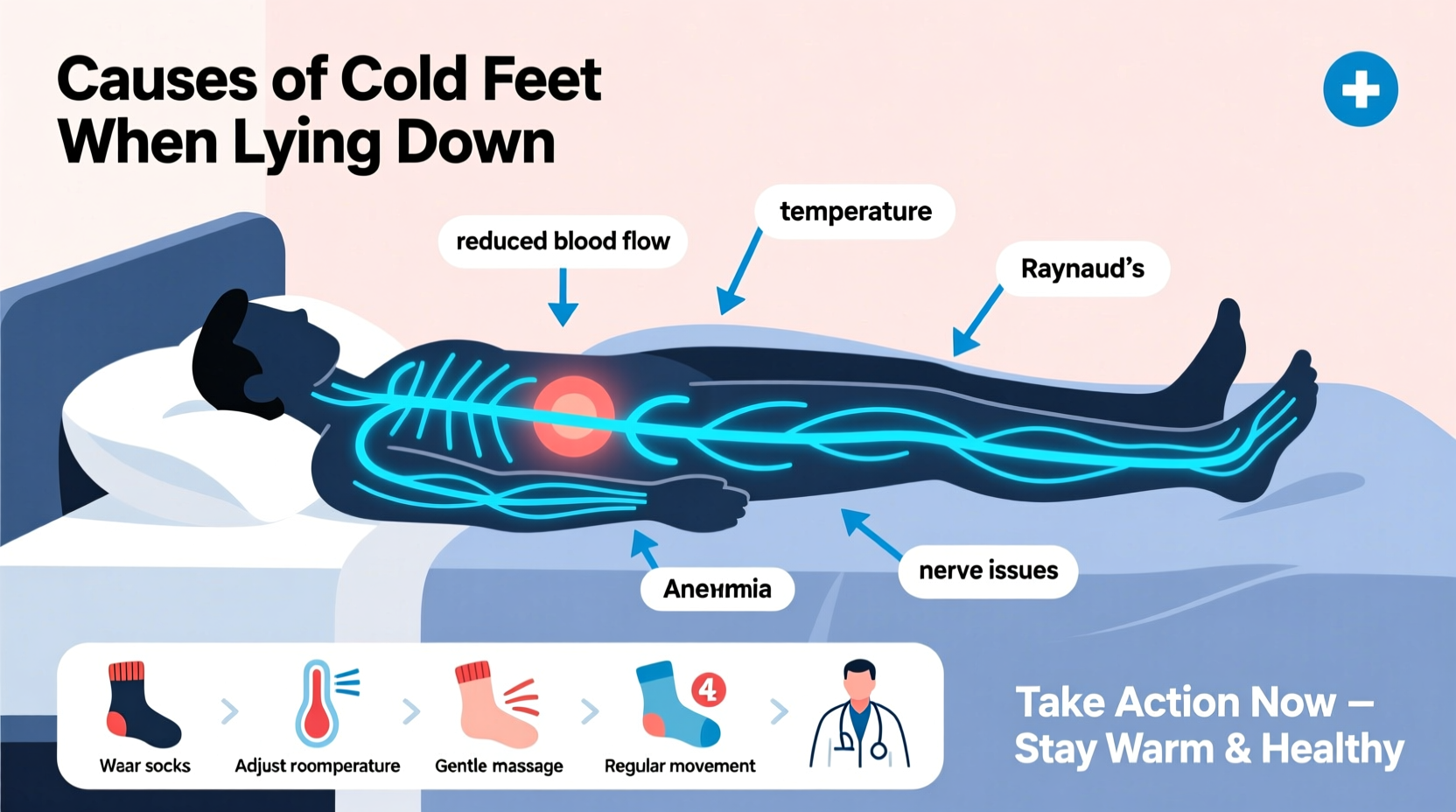
When you lie down, gravity no longer assists blood circulation in the lower limbs as it does when standing or walking. This shift can amplify existing circulatory inefficiencies. Several physiological and environmental factors contribute to cold feet in a reclined position.
- Poor circulation: Reduced blood flow to the extremities is one of the leading causes. Conditions like peripheral artery disease (PAD) narrow arteries and limit oxygen-rich blood delivery to the legs and feet.
- Low body mass or low body fat: Individuals with leaner builds often have less natural insulation, making extremities more sensitive to temperature drops.
- Anemia: A deficiency in red blood cells or hemoglobin reduces oxygen transport, which can lead to cold intolerance, particularly in the feet and hands.
- Hypothyroidism: An underactive thyroid slows metabolism, reducing internal heat production and causing chronic cold sensations.
- Nerve damage (neuropathy): Diabetic neuropathy or other nerve disorders can distort temperature perception, making feet feel cold even when they aren’t.
- Environmental factors: Cold bedroom temperatures, drafty spaces, or wearing thin socks can exaggerate the sensation.
- Stress and anxiety: These trigger vasoconstriction—narrowing of blood vessels—which diverts blood away from extremities to vital organs.
Medical Conditions Linked to Persistent Cold Feet
While temporary cold feet are common, chronic symptoms should not be ignored. Certain medical conditions disrupt vascular or neurological function, directly contributing to the issue.
“Persistent cold feet, especially when accompanied by numbness or discoloration, warrant evaluation. It could be an early sign of circulatory compromise.” — Dr. Lena Patel, Vascular Health Specialist
Peripheral Artery Disease (PAD)
PAD results from plaque buildup in arteries, reducing blood flow to the limbs. Symptoms include cold feet, leg pain during walking (claudication), and slow-healing sores. Risk factors include smoking, diabetes, high cholesterol, and age over 50.
Raynaud’s Phenomenon
This condition causes exaggerated vasoconstriction in response to cold or stress. Fingers and toes may turn white or blue, then red upon warming. Episodes can occur while lying down due to sudden temperature shifts.
Diabetes and Neuropathy
High blood sugar damages nerves over time, impairing temperature regulation. Patients may report constant coldness, tingling, or burning sensations—even if skin temperature is normal.
Hypothyroidism
The thyroid regulates metabolism and body heat. When underactive, individuals often feel cold all over, but extremities like feet are typically affected first due to reduced metabolic activity.
Practical Solutions and What to Do
Addressing cold feet involves both immediate relief strategies and long-term health improvements. The right approach depends on whether the cause is environmental, lifestyle-related, or medical.
Immediate Relief Tips
- Wear clean, warm socks made of wool or thermal fabric before lying down.
- Use a heated blanket or place a hot water bottle at the foot of the bed.
- Avoid tight footwear or restrictive clothing that impedes circulation.
- Soak feet in warm (not hot) water for 10–15 minutes before bedtime.
- Keep bedroom temperature above 68°F (20°C) to minimize environmental triggers.
Lifestyle Adjustments for Long-Term Improvement
- Engage in regular physical activity like walking or cycling to boost circulation.
- Quit smoking—nicotine constricts blood vessels and worsens peripheral blood flow.
- Maintain a balanced diet rich in iron, B12, and omega-3 fatty acids to support vascular and nerve health.
- Stay hydrated; dehydration thickens blood and reduces circulation efficiency.
- Practice stress-reduction techniques such as deep breathing or meditation to reduce vasoconstriction.
Checklist: What to Do If Your Feet Are Always Cold at Night
- ✅ Assess your environment:
- Is your bedroom too cold? Are your sheets or pajamas moisture-wicking?
- ✅ Review your habits:
- Do you smoke? Are you sedentary during the day? Do you wear socks to bed?
- ✅ Monitor symptoms:
- Note any pain, color changes, numbness, or ulcers on your feet.
- ✅ Check for medical conditions:
- Have your thyroid, blood sugar, and iron levels been recently tested?
- ✅ Consult a healthcare provider:
- If symptoms persist beyond two weeks despite lifestyle changes.
Do’s and Don’ts Table
| Do’s | Don’ts |
|---|---|
| Wear moisture-wicking, insulated socks | Wear damp or synthetic socks that trap sweat |
| Exercise daily to stimulate circulation | Sit or lie still for hours without movement |
| Warm feet gradually before bed | Apply direct heat (e.g., heating pads) to numb feet |
| Get regular check-ups if diabetic or hypertensive | Ignore foot discoloration or persistent numbness |
| Stay hydrated and eat iron-rich foods | Consume excessive caffeine, which can constrict vessels |
Real-Life Example: Sarah’s Experience with Cold Feet
Sarah, a 42-year-old office worker, began noticing her feet were constantly cold at night, even in summer. She layered socks, used extra blankets, and still couldn’t find relief. After several months, she developed mild numbness and consulted her doctor. Blood tests revealed low iron levels and borderline hypothyroidism. With iron supplements, thyroid medication, and a daily 20-minute walk routine, her symptoms improved within six weeks. Her case highlights how seemingly minor discomfort can point to treatable systemic conditions.
Frequently Asked Questions
Can poor circulation cause cold feet only when lying down?
Yes. When upright, muscle movement helps pump blood through the legs. Lying down removes this assistance, making poor circulation more noticeable. If arterial flow is already compromised, the drop in pressure when reclining can significantly reduce blood delivery to the feet.
Are cold feet a sign of diabetes?
They can be. Diabetic neuropathy often begins with cold sensations, tingling, or burning in the feet. However, cold feet alone don’t confirm diabetes. Elevated blood sugar, frequent urination, and fatigue are more definitive signs. Anyone with risk factors should get screened.
Is it safe to sleep with heated socks or blankets?
In moderation, yes—but caution is needed. People with nerve damage (e.g., from diabetes) may not feel overheating, increasing burn risk. Use devices with auto-shutoff features and avoid falling asleep with direct heat sources on sensitive skin.
Conclusion: Take Action for Warmer, Healthier Feet
Cold feet when lying down are more than just a comfort issue—they can reflect deeper health dynamics involving circulation, metabolism, and nerve function. While environmental fixes like warmer socks or room adjustments help, persistent symptoms deserve attention. Simple lifestyle changes often make a big difference, but knowing when to seek medical advice is crucial. Prioritize vascular health through movement, nutrition, and regular check-ups. Your feet may be the first to signal imbalance—listen to them.




 浙公网安备
33010002000092号
浙公网安备
33010002000092号 浙B2-20120091-4
Comments
No comments yet. Why don't you start the discussion?