
Numbness in the feet is more than just a passing annoyance—it can be a signal from your body that something deeper is at play. While occasional tingling or loss of sensation might result from sitting too long in one position, persistent or recurring numbness warrants attention. Understanding the underlying causes, recognizing associated symptoms, and knowing when to act can make a significant difference in long-term health outcomes.
This article explores the most common reasons behind foot numbness, identifies red-flag symptoms, and provides guidance on when professional evaluation is essential.
Common Causes of Foot Numbness
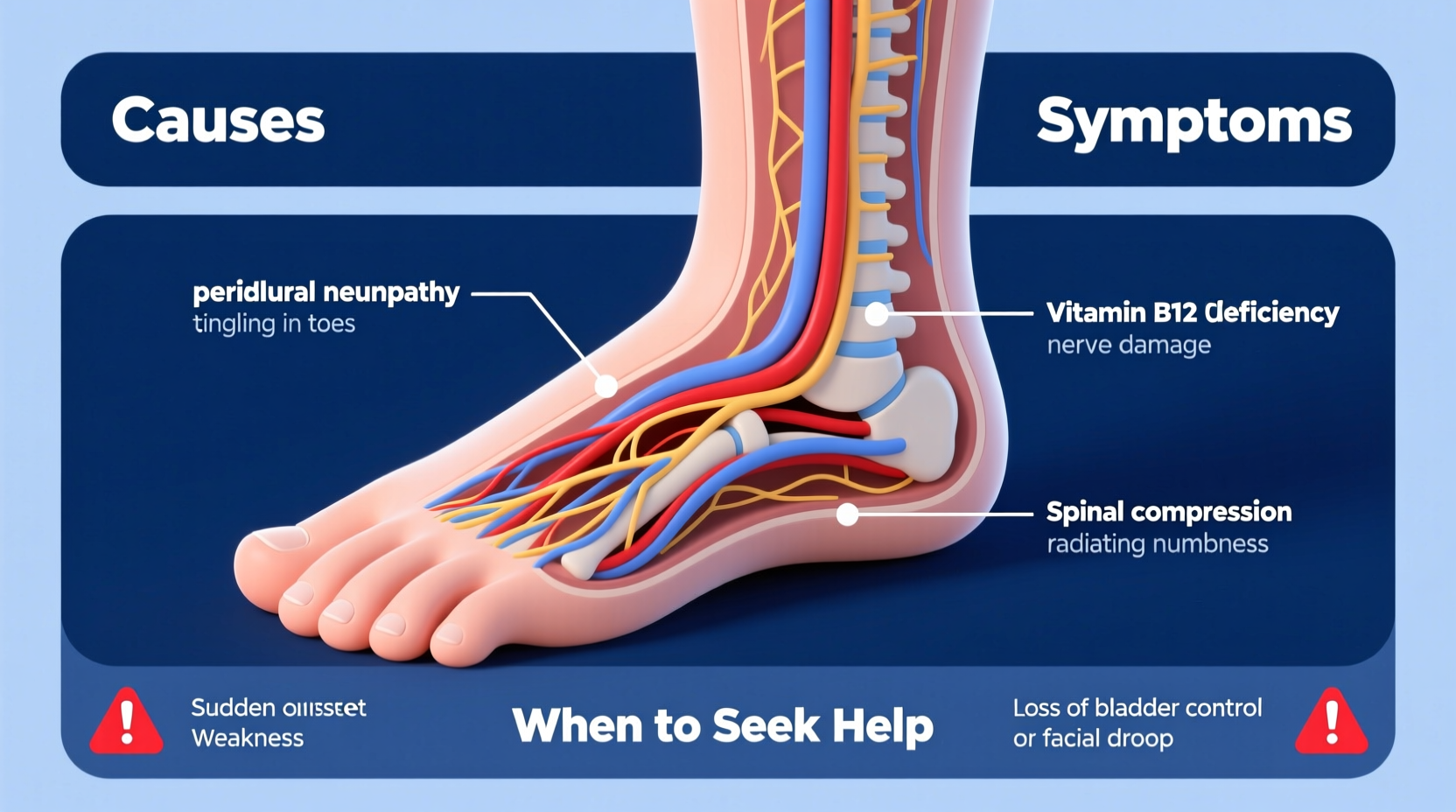
Foot numbness—often described as tingling, pins and needles, or a complete loss of sensation—typically results from nerve disruption. The nerves in your feet originate in the lower back and travel down through the legs. Any interference along this pathway can manifest as numbness in the feet.
Here are the most frequent causes:
- Peripheral neuropathy: Most commonly caused by diabetes, this condition damages nerves in the extremities. Over time, elevated blood sugar levels impair nerve function, leading to numbness, especially in the feet.
- Herniated disc or spinal stenosis: Pressure on the sciatic nerve or lumbar nerve roots due to spinal issues can cause radiating numbness into one or both feet.
- Poor circulation: Reduced blood flow from conditions like peripheral artery disease (PAD) limits oxygen delivery to nerves, causing numbness and coldness in the feet.
- Tarsal tunnel syndrome: Similar to carpal tunnel in the wrist, this involves compression of the posterior tibial nerve as it passes through the ankle, leading to burning or numbness on the sole of the foot.
- Vitamin deficiencies: Low levels of B vitamins—especially B12, B6, and B1—are critical for nerve health and can trigger sensory disturbances.
- Alcohol abuse: Chronic alcohol use can lead to alcoholic neuropathy, damaging peripheral nerves over time.
- Medication side effects: Certain chemotherapy drugs, antivirals, and antibiotics may have neurotoxic effects.
Symptoms That Accompany Numb Feet
Numbness rarely occurs in isolation. Associated symptoms help identify the root cause and severity. Be alert to the following:
- Burning or sharp pain in the feet or legs
- Muscle weakness, especially when walking or climbing stairs
- Changes in skin color or temperature (e.g., pale, blue, or cold feet)
- Loss of balance or coordination
- Cramping or muscle spasms
- Wounds or sores that heal slowly
For example, someone with diabetic neuropathy may notice numbness starting in the toes and gradually moving upward, often accompanied by a “stocking-like” distribution of symptoms. In contrast, a person with a herniated disc may experience sudden numbness on one side, along with lower back pain and leg weakness.
“Numbness that spreads or worsens over weeks should never be ignored. Early diagnosis can prevent irreversible nerve damage.” — Dr. Lena Reyes, Neurologist at Boston Spine Institute
When to Worry: Red Flags That Demand Medical Attention
Not all foot numbness requires emergency care, but certain signs indicate a potentially serious condition. Seek immediate medical evaluation if you experience any of the following:
| Symptom | Potential Cause | Action Required |
|---|---|---|
| Sudden numbness in both feet with leg weakness | Spinal cord compression or cauda equina syndrome | Emergency care needed—risk of paralysis |
| Numbness after a recent injury or fall | Fracture or nerve trauma | See a doctor within 24 hours |
| One-sided numbness with slurred speech or facial drooping | Stroke | Call emergency services immediately |
| Progressive numbness climbing up the legs | Guillain-Barré syndrome or MS | Urgent neurological assessment |
| Numbness with open sores or infection | Diabetic foot complication | Consult a podiatrist or endocrinologist promptly |
Delaying treatment in these cases can lead to permanent disability or life-threatening complications.
Mini Case Study: Recognizing Early Neuropathy
Mark, a 58-year-old warehouse supervisor with type 2 diabetes, began noticing his feet felt “wooden” during long shifts. At first, he dismissed it as fatigue. Over three months, the numbness spread from his toes to midfoot, and he developed a small blister on his heel from ill-fitting boots. Because he couldn’t feel the irritation, the blister became infected.
After visiting a podiatrist, Mark was diagnosed with moderate peripheral neuropathy. His HbA1c was 9.2%, indicating poor glucose control. With tighter blood sugar management, prescribed neuropathic medication (gabapentin), and custom orthotics, his symptoms stabilized. His case underscores how early intervention can halt progression and prevent amputation risks.
Step-by-Step Guide to Assessing and Managing Foot Numbness
If you’re experiencing foot numbness, follow this practical timeline to determine next steps:
- Day 1–3: Monitor symptoms. Note when the numbness occurs, how long it lasts, and whether it’s linked to posture, activity, or footwear.
- Week 1: Evaluate lifestyle factors. Have you changed shoes recently? Are you sitting for prolonged periods? Could vitamin deficiency or alcohol use be a factor?
- Week 2: Self-check for other symptoms. Look for swelling, discoloration, wounds, or muscle weakness. Test sensation using a soft object like a cotton swab.
- Week 3: Schedule a primary care visit. Your doctor may order blood tests (for diabetes, B12, thyroid), nerve conduction studies, or imaging (MRI/CT) if spine issues are suspected.
- Week 4+: Begin targeted treatment. Depending on diagnosis, this may include blood sugar control, physical therapy, medications, or surgery.
Prevention and Daily Care Tips
While some causes of foot numbness are unavoidable, many risk factors can be managed proactively:
- Maintain healthy blood sugar levels if you have diabetes.
- Wear supportive, well-fitted shoes to avoid nerve compression.
- Avoid crossing your legs for long periods, which can pinch the peroneal nerve.
- Eat a balanced diet rich in B vitamins—found in eggs, leafy greens, fish, and fortified cereals.
- Limit alcohol consumption to reduce neuropathy risk.
- Exercise regularly to improve circulation and nerve health.
Frequently Asked Questions
Can sitting too long make my feet numb?
Yes. Prolonged sitting, especially with legs crossed or compressed, can temporarily compress nerves or reduce blood flow, causing transient numbness. It usually resolves within minutes of standing or moving. However, if numbness persists after changing position, further evaluation is needed.
Is foot numbness a sign of a heart problem?
Not directly, but poor circulation from cardiovascular disease—such as atherosclerosis—can contribute to numbness. Conditions like peripheral artery disease (PAD) restrict blood flow to the extremities and often coexist with heart disease. So while numb feet aren’t a classic heart attack symptom, they may indicate systemic vascular issues.
Can stress cause numb feet?
Stress alone doesn’t typically cause true numbness, but anxiety can lead to hyperventilation, which alters blood chemistry and may produce tingling sensations in the hands and feet. These episodes are usually short-lived and resolve with controlled breathing. Persistent numbness, however, requires medical investigation.
Final Thoughts: Take Numbness Seriously
Numb feet are not something to brush off as normal aging or temporary discomfort. They can be an early warning sign of conditions ranging from manageable vitamin deficiencies to serious neurological disorders. The key is vigilance—pay attention to patterns, document changes, and don’t delay seeking professional advice when symptoms persist or worsen.
With timely diagnosis and appropriate care, many causes of foot numbness can be effectively managed or even reversed. Your feet carry you through life; protecting their health ensures you keep moving forward without limitation.




 浙公网安备
33010002000092号
浙公网安备
33010002000092号 浙B2-20120091-4
Comments
No comments yet. Why don't you start the discussion?