
Fingernails that appear rough, ridged, or uneven can be more than just a cosmetic concern—they often signal underlying health issues, nutritional deficiencies, or daily habits that compromise nail integrity. While occasional texture changes are normal, persistent lack of smoothness may point to preventable conditions. Understanding the root causes and implementing targeted solutions can restore strength, shine, and resilience to your nails.
Common Causes of Non-Smooth Fingernails
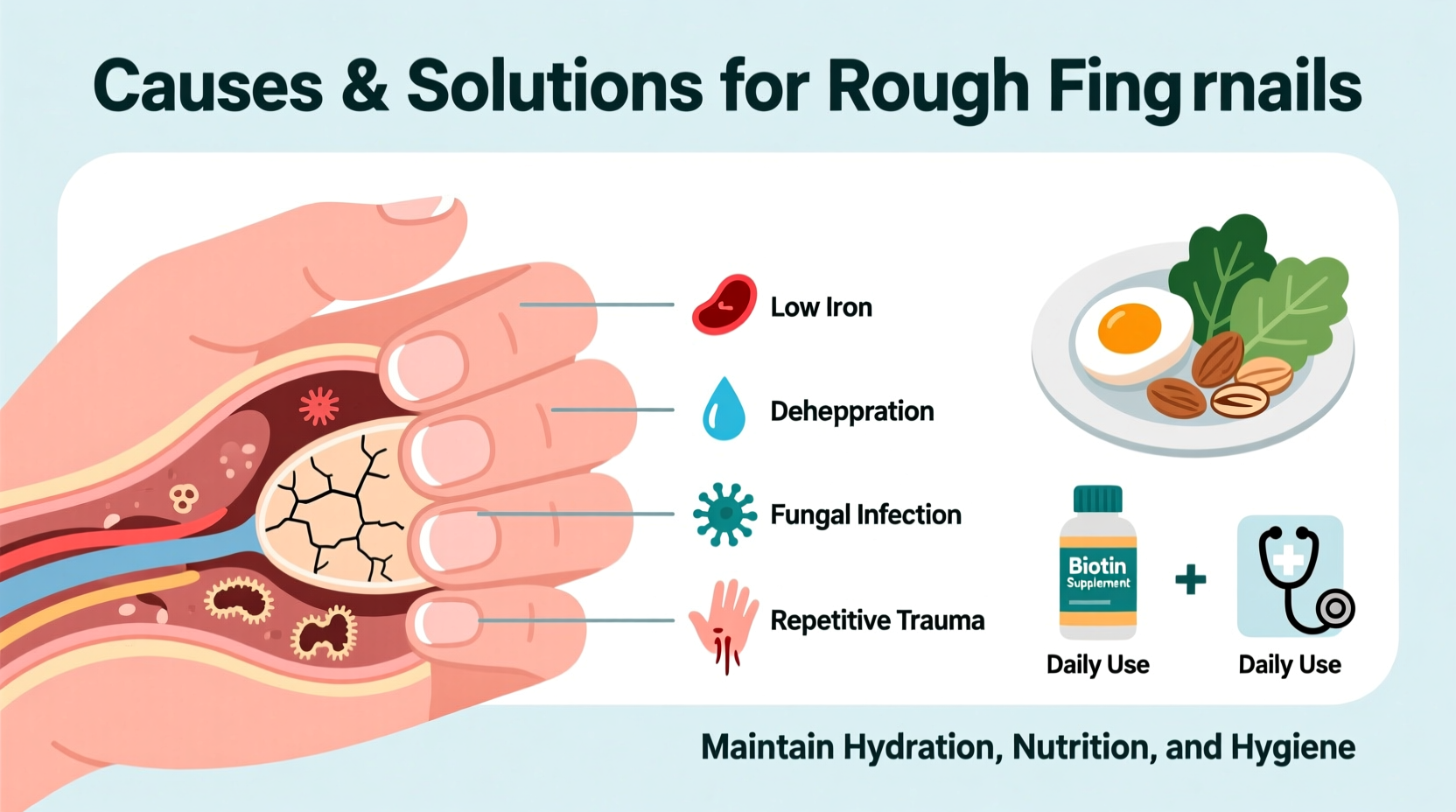
Nail surface irregularities typically fall into two categories: vertical ridges and horizontal lines. Vertical ridges run from cuticle to tip and are often age-related, while horizontal ridges—such as Beau’s lines—can indicate systemic disruptions. The most frequent culprits behind poor nail texture include:
- Nutritional Deficiencies: Lack of biotin, iron, zinc, vitamin B12, or protein weakens keratin structure.
- Dehydration: Dry nails become brittle and develop micro-cracks that disrupt smoothness.
- Overuse of Nail Products: Frequent polish application, acetone-based removers, and gel manicures strip natural oils.
- Physical Trauma: Repetitive tapping, aggressive filing, or biting damages nail matrix cells.
- Medical Conditions: Psoriasis, thyroid disorders, fungal infections, and eczema directly affect nail growth.
- Aging: As we age, nail cell turnover slows, leading to thicker, grooved, or layered textures.
Internal Factors: When Health Impacts Nail Texture
The condition of your nails often mirrors internal well-being. Chronic conditions like hypothyroidism reduce blood flow to extremities, impairing nail growth. Iron deficiency anemia frequently presents with koilonychia—spoon-shaped, thin nails with raised edges. Similarly, psoriasis affects 50% of patients’ nails, causing pitting, oil spots, and crumbling.
“Nails are a window to systemic health. Unexplained textural changes warrant evaluation for nutrient status and endocrine function.” — Dr. Lena Torres, Dermatologist & Nail Health Specialist
Biotin (vitamin B7) plays a critical role in keratin production. Studies show supplementation (2.5–5 mg/day) improves nail thickness and reduces splitting in 6–9 months. However, excessive biotin intake can interfere with lab tests, so consult a healthcare provider before starting supplements.
Solutions for Smoother, Healthier Nails
Restoring nail smoothness requires both external care and internal support. A holistic approach yields lasting results.
1. Optimize Nutrition
Diet is foundational. Include protein-rich foods (eggs, fish, legumes), omega-3s (flaxseeds, walnuts), and leafy greens high in iron and folate. Pair with vitamin C sources (citrus, bell peppers) to enhance iron absorption.
2. Hydrate Inside and Out
Drink at least 2 liters of water daily. Externally, apply cuticle oil (jojoba or argan) twice a day. These oils penetrate the nail bed and prevent moisture loss.
3. Revise Your Manicure Habits
Limit gel manicures to once every 6–8 weeks. Use acetone-free removers and avoid peeling off polish, which strips layers. File in one direction with a 180-grit glass file to minimize fraying.
4. Protect During Chores
Wear cotton-lined gloves when washing dishes or cleaning. Prolonged water exposure softens nails, making them prone to warping and peeling.
| Solution | Action Step | Expected Timeline |
|---|---|---|
| Biotin Supplementation | 2.5 mg daily after medical consultation | 6–9 months |
| Cuticle Oil Routine | Apply morning and night | 4–6 weeks |
| Gentle Filing | Once weekly, one-direction strokes | Immediate improvement |
| Nail Break from Polish | Go bare for 2–3 weeks monthly | Prevents yellowing and brittleness |
Step-by-Step Guide to Restoring Nail Smoothness
Follow this 8-week plan to gradually improve nail texture:
- Week 1–2: Stop all gel and acrylic treatments. Remove existing polish gently with acetone-free remover.
- Week 3: Begin daily cuticle oil massage. Choose one with vitamin E and shea butter.
- Week 4: Introduce a nail-strengthening base coat containing calcium or hydrolyzed wheat protein.
- Week 5: Assess diet; add two servings of protein and one omega-3 source daily.
- Week 6: Start biotin supplement if approved by your doctor.
- Week 7–8: Monitor changes. Use a ridge filler sparingly if needed for temporary smoothing.
Mini Case Study: Reversing Years of Damage
Sarah, a 34-year-old administrative assistant, had struggled with deeply grooved, peeling nails for years. She regularly wore gel manicures and frequently used her nails to open packages or type aggressively. After discontinuing gels and starting a routine of nightly jojoba oil application and biotin (5 mg/day), she noticed reduced ridges within three months. By six months, her nails were smoother, stronger, and no longer split at the edges. Blood work later revealed mild iron deficiency, which was corrected with dietary changes and supplementation.
Her experience highlights how combining behavioral adjustments with medical insight leads to sustainable improvements.
Do’s and Don’ts for Nail Smoothness
| Do’s | Don’ts |
|---|---|
| Moisturize hands and nails daily | Use nails as tools (e.g., opening cans) |
| File nails in one direction | Soak nails in acetone for long periods |
| Wear gloves during wet work | Peel off gel or polish |
| Eat balanced meals with adequate protein | Ignore signs of infection (discoloration, pain) |
FAQ
Can ridges in nails be permanent?
Vertical ridges often persist with aging but can be minimized with hydration and proper care. Horizontal ridges (Beau’s lines) usually grow out unless caused by chronic illness. If new ridges appear suddenly, consult a dermatologist.
Is it safe to use ridge fillers every time I paint my nails?
Ridge fillers should be used sparingly—no more than every other manicure. Overuse builds up product layers, trapping moisture and increasing breakage risk. Allow nails to breathe between applications.
How long does it take for nails to grow out completely?
Fingernails grow about 3 mm per month. A full renewal cycle takes 6–9 months. This means any improvement strategy requires consistent effort over several months to see full results.
Checklist: Restore Your Nail Smoothness in 90 Days
- ✔ Discontinue gel/acrylic manicures for at least 6 weeks
- ✔ Apply cuticle oil twice daily
- ✔ Wear gloves during household chores
- ✔ File nails gently, one direction only
- ✔ Increase protein and iron-rich foods in your diet
- ✔ Consult your doctor about biotin or iron testing
- ✔ Limit polish use to breathable formulas
- ✔ Avoid nail biting or picking
- ✔ Schedule a dermatology visit if discoloration or pain occurs
Conclusion: Take Action for Healthier Nails Today
Smooth, resilient fingernails are achievable with consistent care and attention to both lifestyle and health. Whether the cause is nutritional, environmental, or medical, targeted changes can reverse damage and promote stronger growth. Don’t dismiss nail texture as purely cosmetic—your body often communicates through these small but telling signs.




 浙公网安备
33010002000092号
浙公网安备
33010002000092号 浙B2-20120091-4
Comments
No comments yet. Why don't you start the discussion?