
Soft, bendable fingernails that split or break easily can be more than just a cosmetic annoyance—they may signal underlying health issues or daily habits that compromise nail integrity. While strong, resilient nails are often seen as a sign of good health, consistently soft nails suggest imbalances in nutrition, hydration, or exposure to damaging substances. Understanding the root causes is the first step toward building stronger, healthier nails.
Common Causes of Soft Fingernails
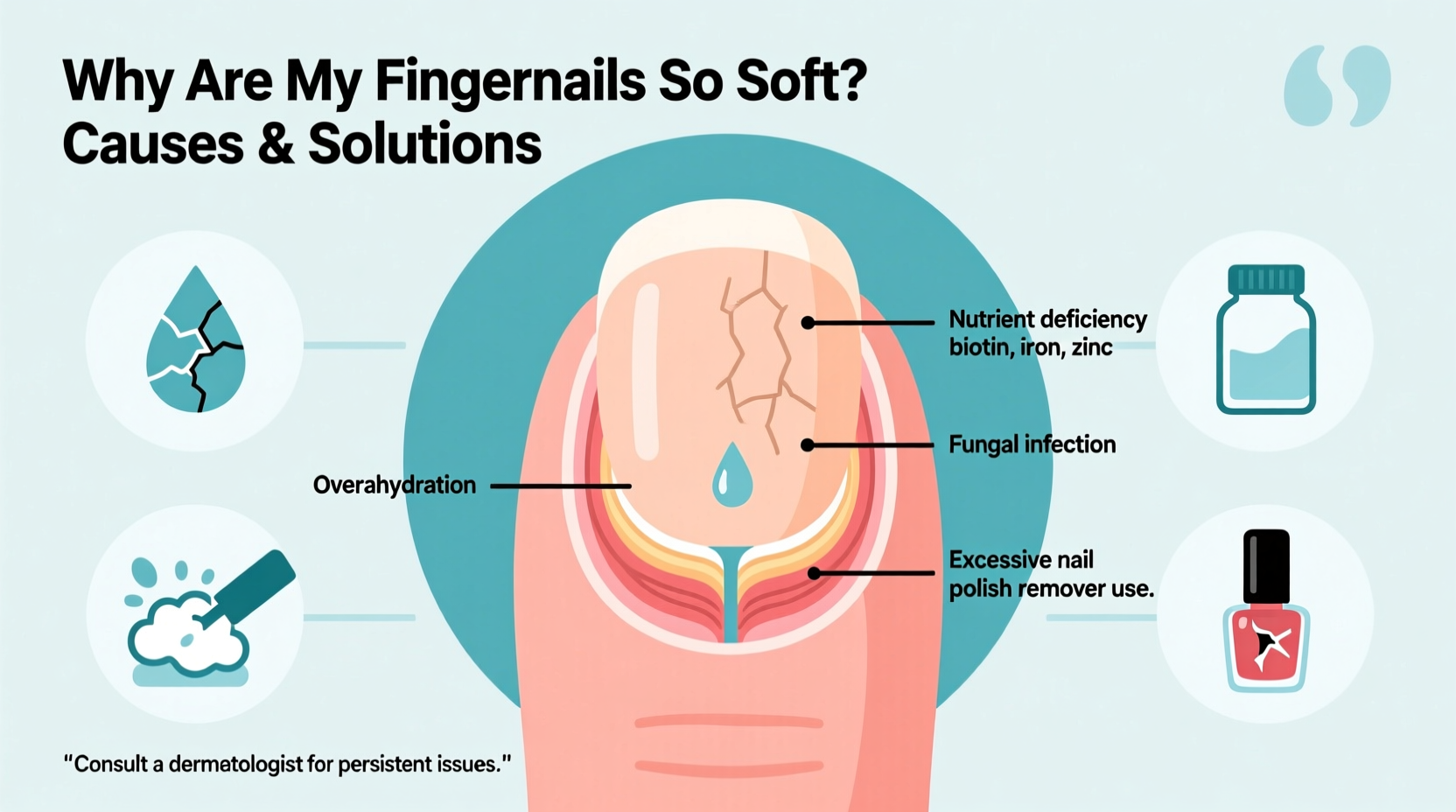
Soft nails aren’t always due to poor hygiene or lack of care. Several internal and external factors contribute to nail weakness. Identifying which apply to you is essential for targeted correction.
- Nutritional Deficiencies: Lack of key nutrients like biotin, iron, zinc, calcium, and protein weakens keratin structure, making nails thin and pliable.
- Overexposure to Water: Frequent handwashing, dishwashing, or prolonged soaking softens the nail plate, leading to temporary weakening and increased risk of peeling.
- Chemical Exposure: Harsh detergents, cleaning agents, and nail polish removers containing acetone strip natural oils, drying out and weakening nails over time.
- Hypothyroidism: Underactive thyroid function is linked to brittle, soft nails, along with fatigue and weight gain.
- Fungal Infections: Early-stage fungal infections may not show discoloration but can alter nail texture, making them softer or crumbly.
- Aging: As we age, nail growth slows and moisture retention decreases, contributing to softer, more fragile nails.
- Dehydration: Just like skin, nails need adequate hydration. Chronic dehydration leads to dry, weak nails prone to bending.
How Diet Impacts Nail Strength
The foundation of healthy nails begins with what you eat. Keratin, the primary protein in nails, relies on amino acids from dietary protein. A deficiency in essential vitamins and minerals disrupts nail matrix production, resulting in softness and splitting.
“Nail health is a direct reflection of systemic nutrition. Patients with chronically soft nails often improve significantly with targeted dietary changes.” — Dr. Lena Patel, Dermatologist & Nutrition Advocate
Key nutrients for strong nails include:
| Nutrient | Role in Nail Health | Dietary Sources |
|---|---|---|
| Biotin (Vitamin B7) | Supports keratin infrastructure; improves thickness and hardness | Eggs, nuts, sweet potatoes, salmon |
| Iron | Prevents anemia-related nail thinning and softness | Spinach, red meat, lentils, fortified cereals |
| Zinc | Essential for cell growth and repair, including nail tissue | Oysters, pumpkin seeds, chickpeas, beef |
| Vitamin C | Boosts collagen production and iron absorption | Oranges, bell peppers, strawberries, broccoli |
| Omega-3 Fatty Acids | Maintain nail flexibility and prevent brittleness | Flaxseeds, chia seeds, walnuts, fatty fish |
A 2020 study published in the Journal of Cosmetic Dermatology found that participants supplementing with 2.5 mg of biotin daily experienced a 25% increase in nail thickness after six months, with reduced splitting and softness.
Step-by-Step Guide to Strengthen Soft Nails
Improving nail strength takes consistent effort. Follow this timeline-based approach for lasting results:
- Week 1–2: Eliminate Aggravating Habits
- Stop using acetone-based nail polish removers.
- Wear cotton-lined rubber gloves during wet tasks.
- Trim nails short and file in one direction to prevent snags.
- Week 3–4: Optimize Nutrition
- Add two biotin-rich foods daily (e.g., eggs + almonds).
- Drink at least 2 liters of water per day.
- Consider a multivitamin with iron and zinc if diet is inconsistent.
- Month 2: Introduce Targeted Treatments
- Apply a nail hardener with calcium or hydroxyethyl methacrylate (avoid formaldehyde).
- Massage cuticle oil (jojoba or vitamin E) twice daily to boost circulation.
- Month 3+: Monitor Progress and Adjust
- Take monthly photos to track improvement.
- If no change, consult a dermatologist to rule out thyroid or fungal issues.
Mini Case Study: Recovering From Years of Weak Nails
Sarah, a 34-year-old nurse, struggled with soft, peeling nails for over a decade. Her job required frequent handwashing—up to 30 times a shift—leaving her nails waterlogged and fragile. Despite trying multiple nail polishes and gels, her nails would bend backward when pressed.
After consulting a dermatologist, she discovered mild iron deficiency and was advised to take supplements and modify her routine. She began wearing gloves during non-patient tasks, applied almond oil nightly, and added spinach and lentils to her meals. Within four months, her nails stopped peeling and could support light nail polish without chipping. By month six, she could type without worrying about breaks.
Sarah’s case highlights how occupational exposure combined with subtle nutritional gaps can compound nail issues—and how practical adjustments lead to real improvement.
Do’s and Don’ts for Healthy Nails
| Do’s | Don’ts |
|---|---|
| Use a base coat with strengthening ingredients | Peel off nail polish; always use remover |
| Keep nails moisturized with cuticle oil | Soak hands in hot water for long periods |
| File nails with a glass or fine-grit file | Use nails as tools (e.g., opening cans) |
| Stay hydrated and eat balanced meals | Ignore signs of infection (odor, thickening) |
| Give nails a break from polish every few weeks | Overuse UV lamps for gel manicures |
FAQ
Can soft nails be a sign of anemia?
Yes. Iron-deficiency anemia often presents with pale, spoon-shaped, or unusually soft nails. If accompanied by fatigue or dizziness, a blood test is recommended.
How long does it take for nails to get stronger?
Nails grow slowly—about 3 mm per month. Most people see noticeable improvement in 2–3 months with consistent care. Full renewal of the fingernail takes 6–9 months.
Are nail hardeners effective?
Some are. Products containing calcium, keratin, or acrylates can temporarily reinforce the nail surface. However, avoid those with formaldehyde, which dries and weakens nails over time.
When to See a Doctor
While most cases of soft nails improve with lifestyle changes, persistent issues may indicate medical conditions such as:
- Thyroid disorders
- Fungal infections
- Psoriasis or lichen planus affecting the nail bed
- Malabsorption syndromes (e.g., celiac disease)
If soft nails are accompanied by discoloration, thickening, pain, or separation from the nail bed, seek evaluation from a dermatologist. Blood tests can identify deficiencies or hormonal imbalances needing treatment.
Conclusion
Soft fingernails are rarely dangerous, but they’re a visible clue that something in your routine or health needs attention. Whether it’s adjusting your diet, reducing water exposure, or addressing an underlying condition, the path to stronger nails is both practical and achievable. Small, consistent actions—like wearing gloves, eating more protein, or applying cuticle oil—compound into significant improvements over time.




 浙公网安备
33010002000092号
浙公网安备
33010002000092号 浙B2-20120091-4
Comments
No comments yet. Why don't you start the discussion?