
Cold floors are more than just a comfort issue—they can signal deeper problems in your home’s energy efficiency, insulation, or heating system. Whether it's hardwood, tile, or laminate, consistently chilly flooring underfoot suggests heat is escaping or not being delivered effectively. Understanding the root causes allows you to make informed decisions about repairs and upgrades that improve both comfort and energy bills.
Common Causes of Cold Floors
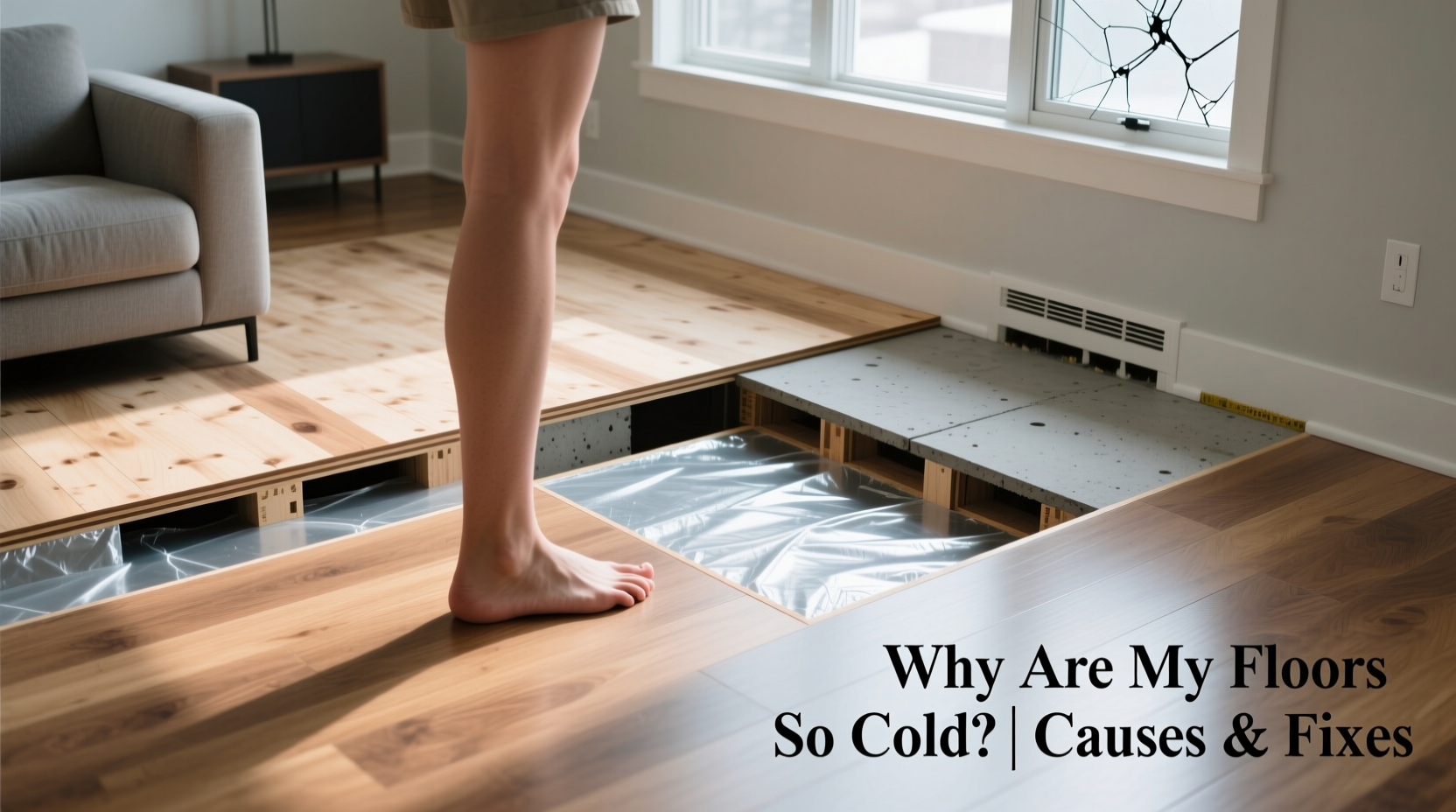
Floors become cold due to a combination of poor insulation, inadequate heating, structural gaps, and material conductivity. Identifying which factor affects your space is the first step toward a solution.
- Poor subfloor insulation: In homes built without proper insulation beneath the floor, especially over crawl spaces or unheated basements, heat escapes downward.
- Air leaks and drafts: Gaps around pipes, ducts, or foundation walls allow cold air to infiltrate from outside or unconditioned areas.
- Inadequate or failing heating system: If your HVAC system isn’t delivering enough warmth or is unevenly distributing heat, lower levels will feel colder.
- Thermal conductivity of flooring materials: Tile, stone, and concrete absorb and radiate cold more readily than wood or carpet, making them feel colder even at room temperature.
- Uninsulated or poorly sealed ductwork: Ducts running through crawl spaces lose significant heat if not insulated, reducing warmth delivered to rooms.
- Seasonal ground temperature: In winter, soil temperatures drop, especially in slab-on-grade foundations, drawing heat out of the floor.
How to Diagnose the Source of Cold Floors
Before investing in expensive fixes, determine where the cold is coming from. A methodical inspection helps avoid unnecessary work.
- Check for drafts: Use a lit candle or incense stick near baseboards, floor vents, and expansion joints. A flickering flame indicates air movement.
- Measure floor temperature: Use an infrared thermometer to compare floor temps in different rooms. Variations of more than 5°F suggest uneven heating or insulation issues.
- Inspect the space below: If accessible, examine the crawl space or basement ceiling for missing insulation, moisture, or exposed ducts.
- Test HVAC performance: Verify that vents near the floor are delivering warm air (use a thermometer) and that the furnace is functioning properly.
- Assess flooring type: Consider whether the material itself contributes to the sensation of cold—tile feels colder than engineered wood at the same temperature.
Solutions to Warm Up Your Floors
Once you've identified the cause, targeted interventions can restore comfort. Some fixes are DIY-friendly; others require professional help.
1. Add Subfloor Insulation
For homes with access to the underside of the floor (e.g., crawl spaces or basements), installing or upgrading insulation is one of the most effective long-term fixes.
- Use rigid foam boards or fiberglass batts with an R-value of at least R-19 for moderate climates, higher in colder zones.
- Seal all gaps around plumbing and wiring penetrations with spray foam to prevent bypasses.
- Vapor barriers should face the warm side (interior) in cold climates to prevent condensation.
2. Seal Air Leaks
Drafts from cracks in the foundation, around utility lines, or between floor joists pull in cold air. Sealing these stops convective heat loss.
- Use expanding spray foam for larger gaps.
- Apply caulk around smaller openings near baseboards and transitions.
- Install draft stoppers at exterior doors leading to cold entries.
3. Upgrade or Repair Ductwork
If warm air isn't reaching floor-level vents efficiently, check ducts in unconditioned spaces.
- Wrap ducts with foil-faced fiberglass insulation (R-6 or higher).
- Seal joints with mastic tape—not duct tape, which degrades over time.
- Ensure dampers are open and filters are clean to maximize airflow.
4. Install Radiant Floor Heating
For a premium, permanent solution, radiant heating warms the floor directly. Two main types exist:
| Type | Installation Location | Best For | Energy Efficiency |
|---|---|---|---|
| Electric (mat-based) | Under tile, stone, or thin flooring | Bathrooms, small rooms | Moderate (higher operating cost) |
| Hydronic (water-based) | Embedded in concrete or under subfloor | Whole-house, new construction | High (especially with high-efficiency boilers) |
“Radiant floor heating doesn’t just eliminate cold floors—it creates more uniform comfort by warming objects, not just air.” — Dr. Linda Chen, Building Science Engineer
5. Use Area Rugs and Floor Mats
An affordable, immediate improvement is adding thermal mass and insulation via rugs.
- Choose thick wool or felt-backed rugs for better insulation.
- Layer rugs in high-traffic areas like bedrooms and living rooms.
- Add anti-slip pads to prevent sliding and improve thermal resistance.
Mini Case Study: The Chilly Basement Conversion
The Thompson family converted their unfinished basement into a guest suite but struggled with icy tile floors every winter. Initial attempts—adding space heaters and thicker curtains—failed to solve the core issue.
A home energy audit revealed uninsulated floor joists above the crawl space and leaky ducts delivering bedroom heat. They addressed both: sealing all air gaps with spray foam, wrapping ducts in insulation, and installing R-21 fiberglass batts between joists. They also added large area rugs in key areas.
Within two weeks, floor temperatures rose by 12°F, and guests stopped complaining. The family saved 14% on heating costs the following winter, proving that structural fixes pay off.
Step-by-Step Action Plan
Follow this timeline to systematically address cold floors:
- Week 1: Inspect and diagnose – Walk through each room, note coldest spots, check for drafts, and inspect accessible underfloor areas.
- Week 2: Seal obvious leaks – Caulk gaps, apply foam around pipes, install door sweeps.
- Week 3–4: Improve insulation – Add insulation to crawl space or basement ceiling. Prioritize rooms above unheated spaces.
- Month 2: Service HVAC system – Clean filters, test airflow, insulate exposed ducts.
- Month 3+: Consider upgrades – Evaluate radiant heating, new flooring with underlayment, or smart thermostats for better zoning.
FAQ
Why do my tile floors feel so cold even when the room is warm?
Tile has high thermal conductivity, meaning it quickly draws heat away from your feet. Even at room temperature, it feels colder than wood or carpet because it conducts heat faster from your body.
Can I fix cold floors without replacing my flooring?
Yes. Most solutions—like adding insulation below, sealing leaks, using rugs, or installing radiant heating mats under existing floors—don’t require removing the surface layer.
Is underfloor heating worth the cost?
It depends on usage. For frequently used rooms like bathrooms or kitchens, electric mats offer quick payback in comfort. Whole-house hydronic systems are costly upfront but highly efficient over time, especially in well-insulated homes.
Conclusion: Take Control of Your Home Comfort
Cold floors aren’t something you have to live with. They’re a symptom of inefficiencies that, once corrected, boost comfort, reduce energy waste, and increase your home’s value. Whether it’s sealing a few gaps, adding insulation, or planning a radiant heating upgrade, every step brings you closer to warm, inviting floors year-round.




 浙公网安备
33010002000092号
浙公网安备
33010002000092号 浙B2-20120091-4
Comments
No comments yet. Why don't you start the discussion?