
Bleeding gums during flossing is a surprisingly common experience—so common that many dismiss it as normal. But in reality, blood on the floss is rarely harmless. It’s often an early warning sign of gingivitis, improper technique, or more serious oral health issues. While occasional bleeding may not signal disaster, persistent or recurring bleeding should never be ignored. Understanding why it happens—and how to fix it—is essential for maintaining long-term dental health.
This guide breaks down the most frequent causes of bleeding gums during flossing, identifies everyday mistakes people make, and provides practical, science-backed remedies to restore gum resilience and prevent future complications.
Understanding Gum Bleeding: What Your Gums Are Trying to Tell You
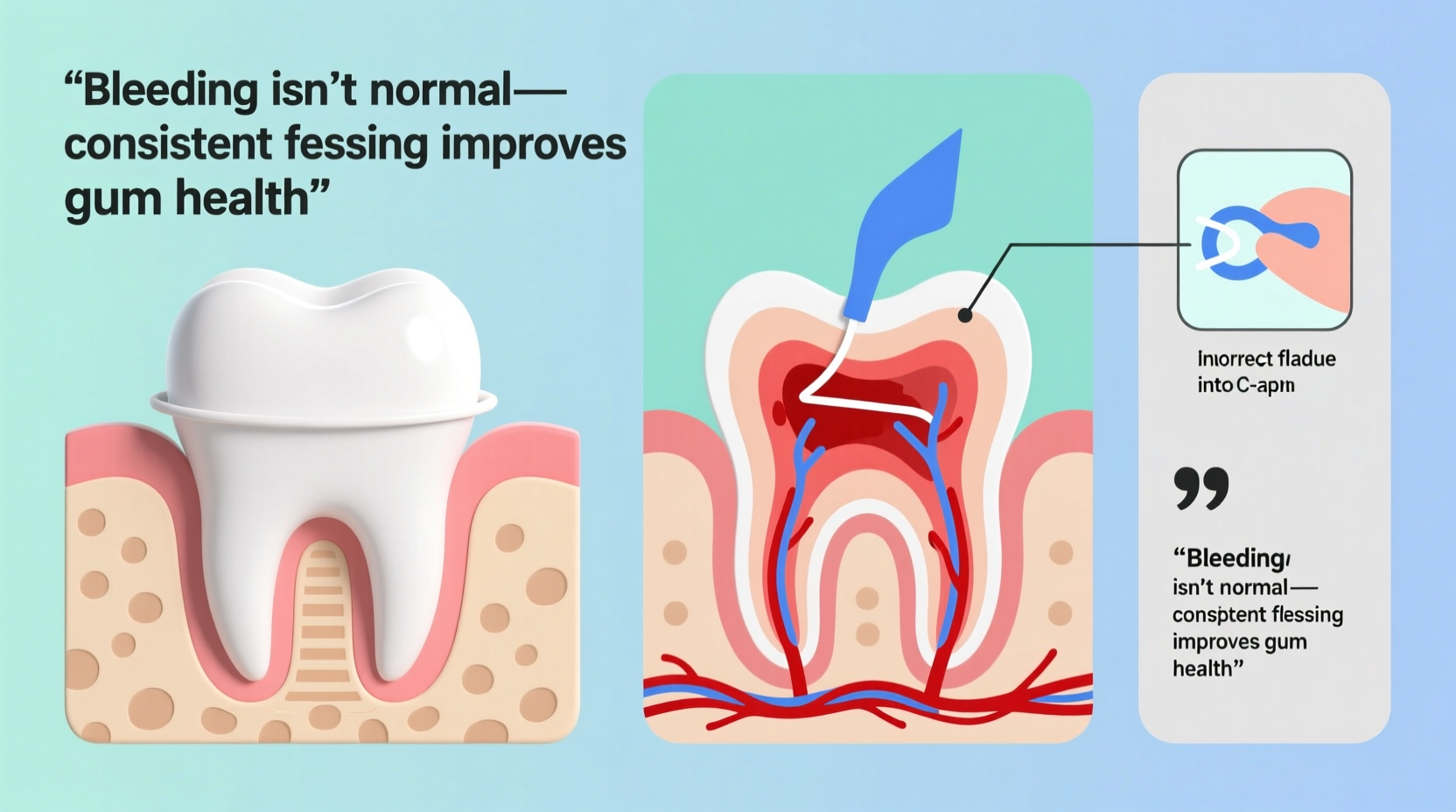
Gums bleed because they’re inflamed. Inflammation occurs when plaque—a sticky film of bacteria—accumulates along the gumline. If not removed regularly, plaque hardens into tartar, which irritates the gums and triggers an immune response. This leads to redness, swelling, and increased fragility of gum tissue, making it prone to bleeding even with gentle stimulation like flossing.
The condition is known as gingivitis—the earliest stage of gum disease. According to the Centers for Disease Control and Prevention (CDC), nearly half of American adults over 30 show signs of some form of periodontal disease. The good news? Gingivitis is reversible with proper care.
However, if left untreated, it can progress to periodontitis, a more severe infection that damages the soft tissue and bone supporting the teeth. At that stage, treatment becomes more invasive, and tooth loss becomes a real risk.
“Bleeding gums are not normal, even if they bleed only occasionally. They are a clear sign of inflammation and should prompt a review of your oral hygiene routine.” — Dr. Linda Chen, Periodontist and Clinical Instructor at NYU College of Dentistry
Common Flossing Mistakes That Cause Bleeding
Many people assume that if their gums bleed, they must be flossing too hard. While aggressive flossing can contribute, the root cause is usually poor technique or inconsistent habits. Below are the most common errors:
- Flossing too infrequently: Skipping days allows plaque to build up, making gums sensitive and prone to bleeding when finally disturbed.
- Using a sawing motion: Yanking or sawing the floss between teeth traumatizes delicate gum tissue instead of sliding gently beneath the gumline.
- Not curving the floss around the tooth: Proper flossing requires hugging each tooth in a C-shape to clean both sides effectively without injuring the papilla (the gum between teeth).
- Flossing only once a day—or less: Once daily is the minimum recommended by the American Dental Association (ADA), but those with existing gum sensitivity may benefit from twice-daily flossing.
- Using old or broken floss: Frayed or snapped floss can harbor bacteria and create jagged edges that cut into gums.
- Ignoring back teeth: Molars are harder to reach and often neglected, leading to localized plaque buildup and bleeding in isolated areas.
Step-by-Step Guide to Proper Flossing Technique
Correct flossing isn’t just about removing debris—it’s about disrupting bacterial colonies below the gumline without causing trauma. Follow this sequence for optimal results:
- Cut or dispense 18 inches of floss. Wind the ends around your middle fingers, leaving 1–2 inches taut between thumbs and index fingers.
- Guide the floss gently between teeth. Use a zigzag motion; never snap it down.
- Curve the floss into a C-shape against one tooth. Slide it up and down, including slightly below the gumline where plaque hides.
- Repeat on the adjacent tooth. Use a clean section of floss for each gap.
- Use a fresh segment for each interdental space. Reusing the same piece spreads bacteria.
- Rinse after flossing. Swish with water or an antibacterial mouthwash to flush out dislodged particles.
For those struggling with traditional floss, consider alternatives such as floss picks, water flossers, or interdental brushes—especially if you have tight contacts or braces. However, ensure any tool reaches below the gumline to be effective.
Do’s and Don’ts of Gum Care
| Do’s | Don’ts |
|---|---|
| Floss gently every day, preferably before bedtime | Stop flossing because your gums bleed |
| Use waxed or glide floss for tight spaces | Saw aggressively between teeth |
| Brush twice daily with a soft-bristled toothbrush | Use medium or hard bristles that wear down enamel and irritate gums |
| Rinse with an alcohol-free antimicrobial mouthwash | Use alcohol-heavy rinses that dry out oral tissues |
| Visit your dentist every six months for cleanings | Wait until pain or visible problems arise before scheduling appointments |
Effective Remedies to Stop Bleeding Gums
If your gums are already bleeding, don’t panic. With consistent care, improvement can occur within 7–14 days. Here are proven strategies to reduce inflammation and strengthen gum tissue:
- Switch to a soft-bristled electric toothbrush: Studies show oscillating brushes remove plaque more effectively than manual ones, reducing gingival inflammation.
- Incorporate an antibacterial mouthwash: Look for products containing cetylpyridinium chloride or essential oils (e.g., Listerine). These help reduce microbial load without harsh alcohol.
- Rinse with warm salt water: Twice daily, dissolve ½ teaspoon of sea salt in 8 ounces of warm water. This natural antiseptic soothes irritation and promotes healing.
- Try a gum-soothing toothpaste: Brands with stannous fluoride or hydrogen peroxide can help combat bacteria and reduce bleeding over time.
- Eat more vitamin-rich foods: Deficiencies in vitamin C and K are linked to bleeding gums. Increase intake of citrus fruits, leafy greens, broccoli, and kiwi.
- Stay hydrated: Dry mouth reduces saliva’s protective effect, allowing bacteria to thrive. Drink water throughout the day to maintain oral balance.
When Bleeding Isn’t About Flossing: Other Possible Causes
While poor oral hygiene is the leading cause, bleeding gums can also stem from non-dental factors. Consider these possibilities if your technique is sound and hygiene is consistent:
- Hormonal changes: Pregnancy, menstruation, and menopause can increase gum sensitivity due to elevated progesterone levels.
- Medications: Blood thinners (like warfarin), certain antihypertensives, and antidepressants may contribute to bleeding or dry mouth.
- Nutritional deficiencies: Low levels of vitamin C (scurvy) or vitamin K impair clotting and tissue repair.
- Smoking: Tobacco use masks symptoms of gum disease by restricting blood flow, delaying detection while accelerating damage.
- Systemic conditions: Diabetes, leukemia, and clotting disorders can manifest orally through persistent bleeding.
If you’ve corrected your flossing routine and still experience bleeding after two weeks, consult your dentist. A professional cleaning may be necessary to remove tartar deposits that home care can’t address.
Mini Case Study: Sarah’s Turnaround in Two Weeks
Sarah, a 34-year-old teacher, noticed her gums bled every time she flossed. She assumed it was normal until her hygienist pointed out moderate gingivitis during a checkup. Embarrassed but motivated, Sarah committed to change.
She switched to a soft electric brush, started flossing nightly using the C-shape method, and added a saltwater rinse morning and night. Within ten days, bleeding decreased significantly. At her follow-up appointment three weeks later, her gums were pink, firm, and no longer bled during probing.
Her dentist noted, “Sarah didn’t need special treatments—just consistency and correct technique. Her case shows how powerful simple adjustments can be.”
Prevention Checklist: Keep Your Gums Healthy Long-Term
To avoid recurrence and maintain optimal gum health, follow this actionable checklist:
- ✅ Floss correctly at least once per day
- ✅ Brush gently with a soft-bristled brush for two minutes, twice daily
- ✅ Use an ADA-approved fluoride toothpaste
- ✅ Rinse with an alcohol-free antibacterial mouthwash
- ✅ Eat a balanced diet rich in vitamins C and K
- ✅ Avoid tobacco in all forms
- ✅ Schedule dental cleanings every six months (or more frequently if recommended)
- ✅ Monitor changes in gum color, texture, or sensation
Frequently Asked Questions
Is it normal for gums to bleed the first few times I floss?
Minor bleeding when restarting flossing after a break can occur due to temporary inflammation from plaque buildup. However, bleeding should resolve within 5–7 days of consistent, correct flossing. If it persists, it’s not normal and indicates active gum disease.
Can water flossers replace traditional flossing?
Water flossers are excellent for removing food debris and reducing bacteria, especially for people with braces or implants. However, they don’t physically disrupt plaque biofilm as effectively as string floss. For best results, use both—or stick with traditional floss if used properly.
Should I stop flossing if my gums bleed?
No. Stopping flossing allows plaque to accumulate, worsening inflammation. Instead, continue flossing gently every day. As your gums heal, the bleeding will subside. If pain or heavy bleeding occurs, consult your dentist.
Conclusion: Take Action Before Small Issues Become Big Problems
Bleeding gums are a warning—not a trivial inconvenience. They reflect an imbalance in your oral ecosystem, often rooted in preventable habits. By refining your flossing technique, adopting supportive hygiene practices, and recognizing when to seek professional help, you can reverse early gum disease and protect your smile for decades.
Your mouth is a mirror of your overall health. Treating bleeding gums seriously isn’t just about avoiding discomfort—it’s about investing in systemic well-being. Start tonight: pick up the floss, use the right method, and commit to consistency. Your gums will thank you with strength, resilience, and silence—no more blood on the thread.




 浙公网安备
33010002000092号
浙公网安备
33010002000092号 浙B2-20120091-4
Comments
No comments yet. Why don't you start the discussion?