
Many people experience persistently cold hands, even in mild temperatures or while indoors. While occasional chilliness is normal, consistently cold hands can be uncomfortable and sometimes signal an underlying health issue. Understanding the root causes—ranging from circulatory problems to lifestyle habits—is essential for finding lasting relief. This article explores the science behind cold hands, identifies key contributing factors, and provides actionable solutions to restore warmth and improve overall hand comfort.
Common Causes of Cold Hands
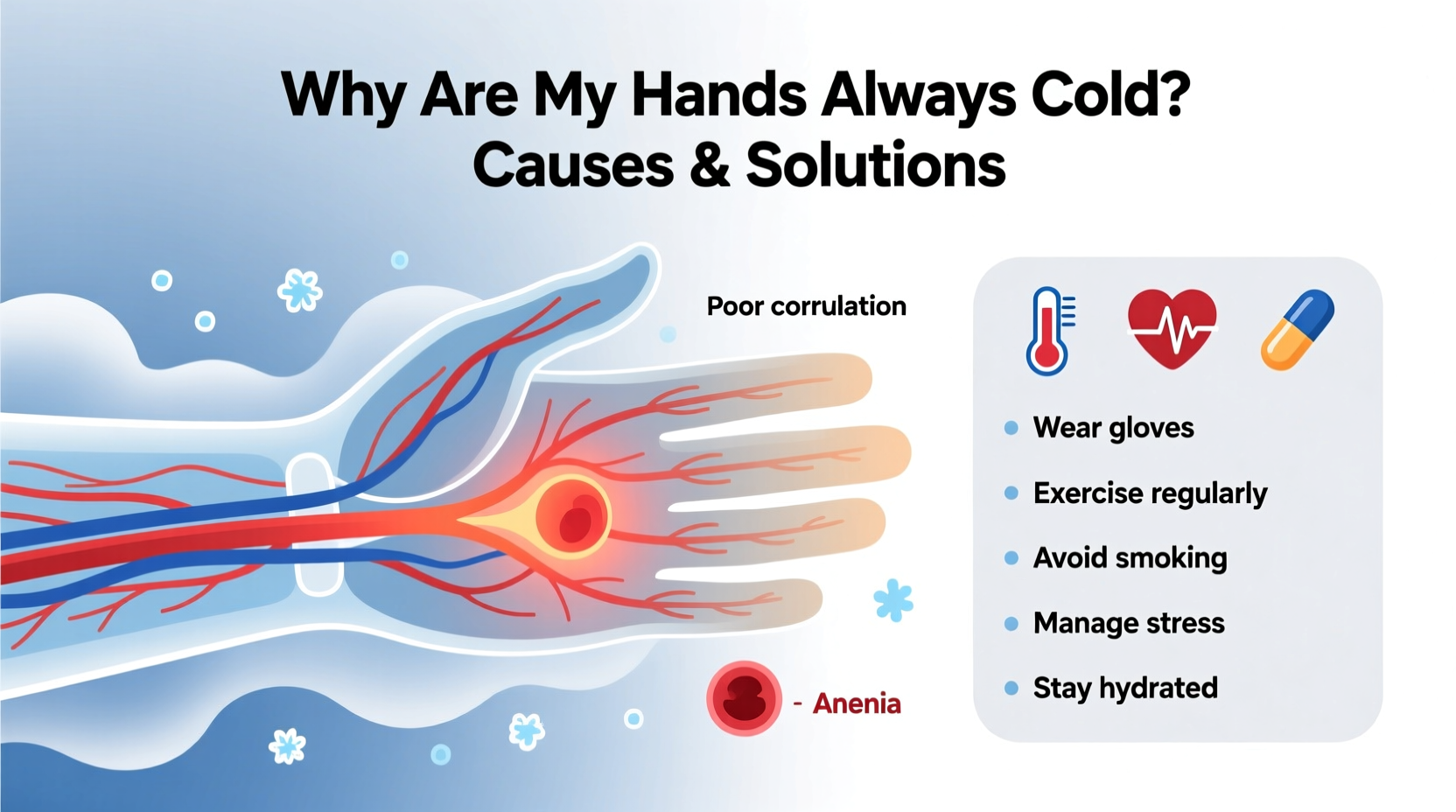
Cold hands occur when blood flow to the extremities is reduced. The body naturally prioritizes warming vital organs over limbs, especially in colder environments. However, persistent coldness—even in warm rooms—suggests more than just weather exposure. Several physiological and environmental factors contribute:
- Poor circulation: Reduced blood flow due to narrowed or constricted blood vessels limits warmth delivery to the hands.
- Rayneaud’s phenomenon: A condition where small arteries spasm in response to cold or stress, drastically reducing blood supply to fingers.
- Anemia: Low red blood cell count impairs oxygen transport, affecting tissue temperature regulation.
- Hypothyroidism: An underactive thyroid slows metabolism, reducing internal heat production.
- Nerve damage (neuropathy): Conditions like diabetes can impair temperature sensation, making hands feel colder than they are.
- Low body weight: Less body fat means less natural insulation, increasing susceptibility to cold.
Environmental and Lifestyle Influences
Beyond medical conditions, daily habits and surroundings play a significant role in hand temperature. These often-overlooked factors can compound existing vulnerabilities:
- Smoking: Nicotine constricts blood vessels, worsening peripheral circulation.
- Caffeine intake: Acts as a vasoconstrictor, potentially reducing blood flow to hands.
- Sedentary behavior: Lack of movement slows circulation; sitting for long periods can make hands colder.
- Tight clothing or jewelry: Rings or tight sleeves can restrict blood flow, especially in cooler environments.
- Exposure to cold: Working in refrigerated spaces or frequent hand washing with cold water increases risk.
“Chronic cold hands shouldn’t be dismissed as just ‘poor circulation.’ They’re often a clue to deeper metabolic or vascular issues.” — Dr. Lena Torres, Vascular Health Specialist
Practical Steps to Warm Up Cold Hands
Addressing cold hands effectively requires both immediate relief strategies and long-term adjustments. Implementing a combination of behavioral changes and targeted interventions can yield noticeable improvements within weeks.
Immediate Relief Techniques
- Warm water immersion: Soak hands in warm (not hot) water for 5–10 minutes to stimulate blood flow.
- Hand massage: Gently rub palms and fingers to encourage circulation.
- Clap or swing arms: Rapid arm movements increase blood flow to extremities.
- Use heated gloves: Battery-powered or microwavable hand warmers offer on-the-go relief.
Long-Term Solutions
- Exercise regularly to improve cardiovascular health and circulation.
- Avoid smoking and limit caffeine, especially in cold environments.
- Dress in layers and wear insulated gloves during winter or air-conditioned settings.
- Maintain a balanced diet rich in iron, B12, and omega-3 fatty acids to support blood and nerve health.
- Manage stress through breathing exercises or meditation—stress triggers Raynaud’s episodes.
Do’s and Don’ts for Managing Cold Hands
| Do’s | Don’ts |
|---|---|
| Wear moisture-wicking liner gloves under outer gloves | Use hand sanitizers excessively (dries skin and increases cold sensitivity) |
| Stay hydrated—good fluid balance supports circulation | Smoke or use nicotine products |
| Practice finger and wrist exercises daily | Ignore color changes in fingers (white, blue, red phases) |
| Keep core body warm—heat generated in the torso warms extremities | Expose hands directly to cold metal surfaces (e.g., freezer handles) |
When to See a Doctor
While many cases of cold hands stem from benign causes, certain symptoms warrant medical evaluation. Persistent discomfort, discoloration, pain, or ulcers on fingertips could indicate serious vascular or autoimmune conditions such as Raynaud’s disease, lupus, or scleroderma.
Diagnostic tests may include blood work (to check for anemia or thyroid function), nailfold capillaroscopy (to examine tiny blood vessels), or Doppler ultrasound (to assess blood flow). Early diagnosis allows for timely treatment, which may involve medications like calcium channel blockers or vasodilators.
Mini Case Study: Sarah’s Experience with Raynaud’s
Sarah, a 34-year-old office worker, noticed her fingers turned pale and numb every winter, especially after walking to her car. At first, she assumed it was normal cold sensitivity. But when her fingertips began tingling painfully upon warming—and one developed a small sore—she consulted a rheumatologist. Testing confirmed secondary Raynaud’s linked to early-stage lupus. With prescribed medication, lifestyle changes, and wearing heated gloves at work, Sarah regained control. Within three months, her hand discomfort decreased significantly, and no new sores appeared.
Frequently Asked Questions
Can anxiety cause cold hands?
Yes. Anxiety triggers the “fight-or-flight” response, redirecting blood from extremities to core organs. This vasoconstriction reduces hand temperature. Chronic stress can make this response habitual, leading to persistently cold hands even without cold exposure.
Are cold hands dangerous?
Not always, but they can be a warning sign. If accompanied by fatigue, brittle nails, hair loss, or weight gain, cold hands may point to hypothyroidism. Sudden onset in one hand could suggest a blocked artery. Always seek evaluation if symptoms are severe, asymmetric, or worsening.
Why do I get cold hands at night?
Body temperature naturally drops during sleep. Combined with lower activity levels and possibly poor bedroom heating, this can make hands feel colder. Using breathable yet warm bedding and wearing lightweight cotton gloves to bed can help maintain circulation without overheating.
Action Plan Checklist
Follow this checklist to address cold hands systematically:
- ✔ Assess whether cold hands are symmetrical and triggered by temperature or stress
- ✔ Eliminate or reduce caffeine and nicotine intake for two weeks
- ✔ Begin a daily routine of hand and arm exercises (finger stretches, wrist rotations)
- ✔ Invest in quality insulated gloves for outdoor and indoor use
- ✔ Schedule a doctor’s visit if you notice skin changes, sores, or asymmetry
- ✔ Monitor symptoms using a simple journal (note frequency, triggers, color changes)
Conclusion: Take Control of Your Comfort
Cold hands don’t have to be a permanent inconvenience. Whether the cause is lifestyle-related or medically rooted, effective solutions exist. By understanding your body’s signals, adjusting daily habits, and seeking professional guidance when needed, you can restore warmth and confidence in your daily life. Don’t dismiss persistent coldness as normal—your hands deserve better care.




 浙公网安备
33010002000092号
浙公网安备
33010002000092号 浙B2-20120091-4
Comments
No comments yet. Why don't you start the discussion?