
Many people dismiss persistently cold hands as a minor inconvenience or just part of having a “cold nature.” But when your fingers feel icy even in mild temperatures—while others around you are comfortable—it’s worth paying attention. Chronic cold hands can be more than just discomfort; they may signal an underlying issue with circulation, nerve function, or overall health. Understanding the root causes and knowing how to respond can improve both comfort and long-term well-being.
Common Medical Causes of Cold Hands
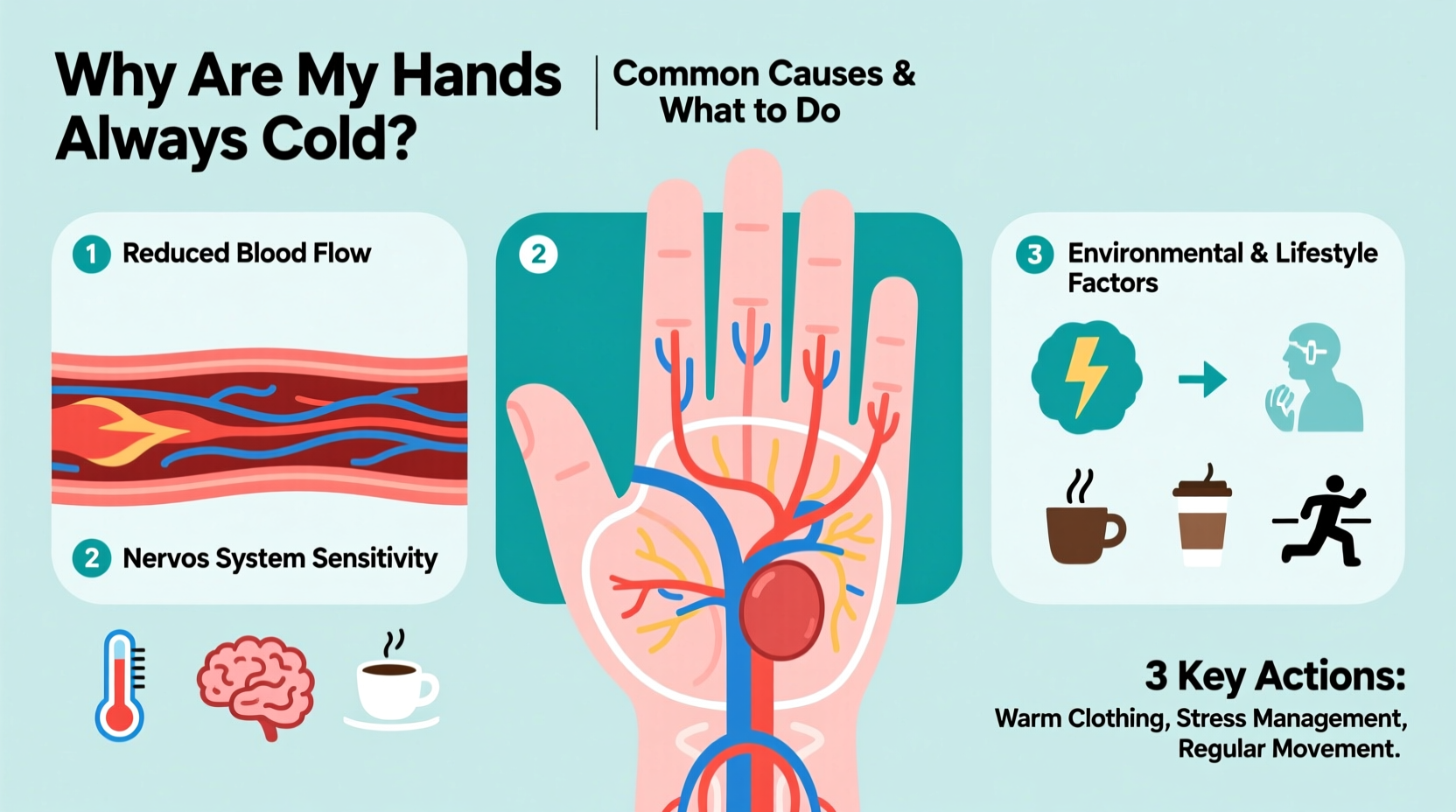
Cold hands aren’t always about the weather. Several physiological factors can restrict blood flow to the extremities, especially the hands. The body naturally prioritizes warming vital organs over limbs, but persistent vasoconstriction (narrowing of blood vessels) can go beyond normal regulation.
- Raynaud’s Phenomenon: This condition causes small arteries that supply blood to the skin to narrow in response to cold or stress. Fingers may turn white, then blue, and finally red as circulation returns, often accompanied by tingling or numbness.
- Anemia: A deficiency in red blood cells or hemoglobin reduces oxygen delivery throughout the body, impairing the ability to generate and maintain heat.
- Hypothyroidism: An underactive thyroid slows metabolism, reducing internal heat production and making individuals more sensitive to cold.
- Peripheral Artery Disease (PAD): Atherosclerosis can restrict blood flow to limbs, particularly in older adults or those with diabetes and high cholesterol.
- Nerve Damage (Neuropathy): Conditions like diabetes or autoimmune disorders can damage nerves involved in temperature regulation, leading to abnormal sensations including coldness.
“Persistent cold hands shouldn't be ignored—especially if they're accompanied by color changes or pain. It could be Raynaud’s or another circulatory disorder requiring medical evaluation.” — Dr. Lena Torres, Vascular Health Specialist
Lifestyle and Environmental Triggers
Beyond medical conditions, daily habits and surroundings play a major role in hand temperature. Poor circulation can be worsened—or even caused—by controllable factors.
Common lifestyle contributors include:
- Sedentary behavior: Sitting for long periods slows circulation. Without muscle movement, blood doesn’t pump efficiently to extremities.
- Smoking: Nicotine constricts blood vessels, significantly reducing peripheral blood flow.
- Caffeine and stimulants: These can trigger vasoconstriction, mimicking symptoms of Raynaud’s in susceptible individuals.
- Poor nutrition: Low iron, vitamin B12, or overall caloric intake can impair metabolic heat generation.
- Exposure to cold environments: Working in refrigerated spaces or frequent hand washing with cold water increases risk.
Step-by-Step Guide to Warmer Hands
If cold hands disrupt your daily life, follow this practical timeline to assess, address, and manage the issue effectively:
- Week 1: Self-Observation
Track when your hands feel cold, whether indoors or outdoors, and note any associated symptoms (numbness, color changes, pain). - Week 2: Lifestyle Adjustments
Eliminate smoking, reduce caffeine, increase physical activity, and wear gloves indoors if needed. - Week 3: Nutritional Support
Add iron-rich foods (spinach, red meat), B12 sources (eggs, dairy), and stay hydrated. Consider a multivitamin if diet is inadequate. - Week 4: Medical Check-Up
Visit your doctor for blood tests (CBC, TSH, iron panel) to rule out anemia or hypothyroidism. - Ongoing: Preventive Habits
Incorporate hand exercises, layer clothing, and use heated gloves during winter months.
Do’s and Don’ts: Managing Cold Hands
| Do’s | Don’ts |
|---|---|
| Wear insulated gloves in cold weather | Smoke or use nicotine products |
| Stay physically active—walk, stretch, wiggle fingers hourly | Sit for hours without moving |
| Eat balanced meals rich in iron and protein | Consume excessive coffee or energy drinks |
| Use hand warmers or heated steering wheel covers | Ignore color changes or prolonged numbness |
| Practice stress management (yoga, deep breathing) | Wear tight jewelry that restricts circulation |
Real Example: Sarah’s Experience with Raynaud’s
Sarah, a 34-year-old office worker, noticed her fingers turned white and stiff every winter, especially when typing in air-conditioned rooms. At first, she assumed it was normal until episodes began lasting longer and causing pain. After consulting her doctor, she was diagnosed with secondary Raynaud’s linked to an autoimmune condition. With medication, dietary changes, and wearing heated gloves at work, her symptoms improved dramatically within two months. Her case highlights how early recognition and targeted treatment can restore quality of life.
When to See a Doctor
Occasional cold hands in winter are expected. However, seek medical advice if you experience:
- Frequent color changes (white, blue, red) in fingers
- Pain, swelling, or ulcers on fingertips
- Symptoms only on one side of the body (could indicate vascular blockage)
- Additional signs like fatigue, weight gain, or hair loss (possible thyroid issues)
Diagnostic tools may include Doppler ultrasound, blood tests, or nailfold capillaroscopy to examine microcirculation.
FAQ
Can anxiety cause cold hands?
Yes. During stress or anxiety, the body activates the “fight-or-flight” response, redirecting blood from extremities to core organs. This natural reaction can leave hands feeling cold, clammy, or numb—even in warm environments.
Are cold hands dangerous?
Not always, but they can be a warning sign. If persistent and paired with other symptoms like fatigue or dizziness, they may point to cardiovascular, endocrine, or autoimmune disorders that require attention.
Do women get cold hands more than men?
Yes, statistically. Women are more prone due to lower muscle mass, higher body fat distribution, and hormonal influences on blood vessel tone. Estrogen can enhance vasodilation variability, increasing sensitivity to temperature shifts.
Action Checklist for Immediate Relief and Long-Term Care
- Keep hands covered with gloves or mittens in cool settings
- Perform hand exercises: clench and release fists 10 times hourly
- Avoid tight rings and restrictive wristbands
- Quit smoking or using nicotine-based products
- Limit caffeine intake to one cup per day
- Include iron and B12-rich foods in your diet
- Get blood work done if symptoms persist beyond seasonal changes
- Use portable hand warmers during commutes or outdoor activities
- Practice mindfulness or breathing techniques to reduce stress-induced vasoconstriction
- Schedule a check-up if you notice skin sores or color changes in fingers
Conclusion
Chronic cold hands are not something you must simply endure. Whether the cause is medical, environmental, or behavioral, there are effective strategies to regain warmth and comfort. From simple daily habits like staying active and dressing appropriately to seeking timely medical evaluation, taking action can prevent complications and improve your quality of life. Pay attention to your body’s signals—your hands might be telling you something important.




 浙公网安备
33010002000092号
浙公网安备
33010002000092号 浙B2-20120091-4
Comments
No comments yet. Why don't you start the discussion?