
Waking up with puffy fingers or noticing your rings suddenly feel too tight can be unsettling. Hand swelling is more common than many realize, affecting people across all ages and lifestyles. While it’s often harmless and temporary, persistent or painful swelling may signal an underlying health issue. Understanding the root causes — from minor fluid retention to serious medical conditions — empowers you to respond appropriately and prevent complications.
This guide breaks down the most frequent reasons behind hand swelling, outlines actionable steps for relief, and highlights when professional care becomes essential.
Common Causes of Hand Swelling
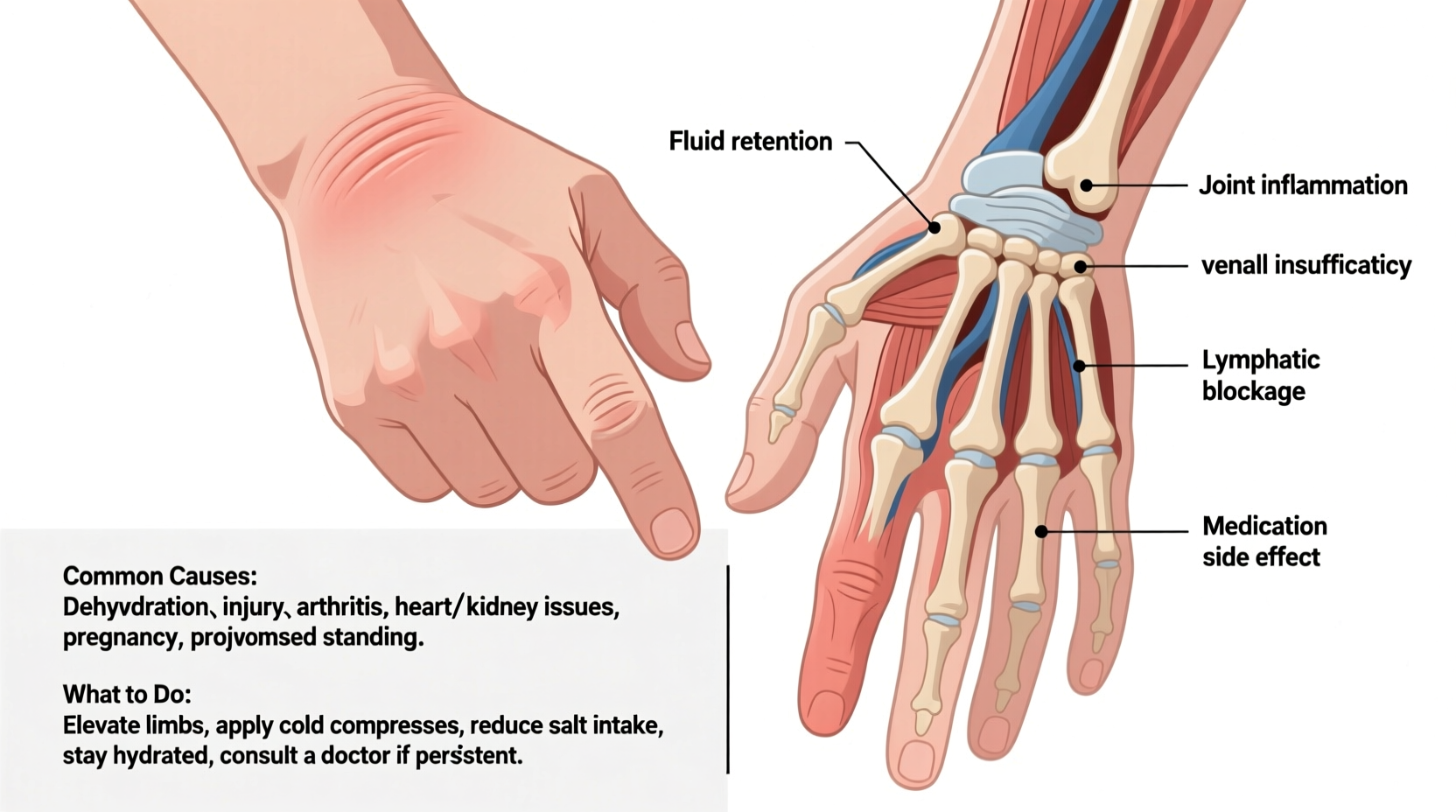
Swollen hands occur when excess fluid accumulates in the tissues (edema), joints become inflamed, or circulation is disrupted. The cause can range from lifestyle habits to chronic diseases.
Fluid Retention and Edema
Sodium-heavy diets, hormonal changes (especially during menstruation or pregnancy), and prolonged sitting or standing can lead to fluid buildup. High altitudes and air travel are also known triggers due to lower cabin pressure affecting circulation.
Injury or Overuse
Repetitive motions like typing, gripping tools, or playing musical instruments can strain tendons and joints, leading to localized swelling. Acute injuries such as sprains, fractures, or crush wounds cause immediate inflammation as part of the body’s healing response.
Arthritis and Joint Inflammation
Osteoarthritis results from cartilage wear over time, while rheumatoid arthritis is an autoimmune condition that attacks joint linings. Both cause stiffness, pain, and visible swelling — often worse in the morning. Gout, caused by uric acid crystal buildup, typically affects one joint at a time, frequently the thumb or fingers.
“Persistent morning stiffness lasting more than 30 minutes should prompt evaluation for inflammatory arthritis.” — Dr. Lena Torres, Rheumatologist
Circulatory Issues
Poor blood flow due to venous insufficiency, blood clots, or heart failure can result in swelling. If swelling extends to the arms or is accompanied by chest pain or shortness of breath, seek emergency care immediately.
Allergic Reactions and Infections
Bee stings, insect bites, or contact with irritants like chemicals or plants (e.g., poison ivy) can trigger localized swelling. Cellulitis — a bacterial skin infection — presents with redness, warmth, and tenderness and requires antibiotics.
When to Seek Medical Attention
Most cases of mild hand swelling resolve on their own. However, certain symptoms indicate a need for prompt medical evaluation:
- Sudden, severe swelling without clear cause
- Swelling following trauma with inability to move fingers
- Numbness, tingling, or coldness in the hands
- Red streaks, fever, or pus (signs of infection)
- Shortness of breath, chest pain, or facial swelling
- Swelling that worsens over days despite home care
If you have a history of heart, kidney, or liver disease, even mild swelling warrants a doctor’s visit, as it could reflect worsening organ function.
Step-by-Step Guide to Reduce Hand Swelling
Follow this timeline-based approach to manage swelling safely and effectively:
- Immediately after noticing swelling: Elevate your hands above heart level for 15–20 minutes. This uses gravity to drain excess fluid.
- Apply a cold compress: Wrap ice in a cloth and apply for 10–15 minutes every hour during the first 24 hours to reduce inflammation.
- Remove tight jewelry: Rings, watches, or bracelets can restrict circulation as tissues expand.
- Stay hydrated: Drinking water helps regulate fluid balance and prevents dehydration-induced sodium retention.
- After 48 hours: Switch to warm compresses if stiffness persists, especially with arthritis, to improve joint mobility.
- Maintain gentle movement: Avoid immobilizing hands completely; light finger stretches promote lymphatic drainage.
- Monitor progress: Track changes daily. If no improvement in 3–5 days, consult a healthcare provider.
Do’s and Don’ts: Managing Hand Swelling
| Do’s | Don’ts |
|---|---|
| Elevate hands regularly | Ignore sudden swelling with chest pain |
| Reduce salt intake | Wear tight gloves or jewelry during flare-ups |
| Use ergonomic tools to reduce strain | Apply ice directly to skin |
| Practice hand exercises for flexibility | Self-medicate with diuretics without prescription |
| Stay active with low-impact exercise | Ignore signs of infection like redness or warmth |
Real-Life Example: Office Worker with Repetitive Strain
Sarah, a 38-year-old graphic designer, began noticing her right hand swelling each evening after long work sessions. Her ring felt tight, and she experienced aching at the base of her thumb. Initially dismissing it as fatigue, she eventually consulted a physical therapist.
Diagnosis revealed early-stage tendonitis from repetitive mouse use and poor wrist alignment. With ergonomic adjustments — including a vertical mouse, wrist rest, and hourly stretch breaks — her symptoms improved within three weeks. This case underscores how modern work habits contribute to hand issues and how small changes yield significant relief.
Prevention Tips for Long-Term Hand Health
Proactively protecting your hands reduces the risk of recurring swelling:
- Optimize workspace ergonomics: Keep wrists neutral while typing, and position monitors at eye level.
- Stay hydrated and limit sodium: Aim for under 2,300 mg of sodium per day, per American Heart Association guidelines.
- Exercise regularly: Cardiovascular activity improves circulation and reduces fluid buildup.
- Wear compression gloves at night: Especially helpful for arthritis sufferers to reduce morning stiffness.
- Avoid smoking: Nicotine constricts blood vessels and impairs circulation.
Frequently Asked Questions
Can dehydration cause swollen hands?
Yes. When dehydrated, the body retains water to compensate, which can lead to fluid accumulation in extremities like hands and feet. Paradoxically, drinking adequate water helps correct this imbalance.
Is hand swelling during pregnancy normal?
Some swelling is common, especially in the third trimester, due to increased blood volume and pressure from the growing uterus. However, sudden swelling in the face or hands, along with headaches or vision changes, may indicate preeclampsia and requires urgent evaluation.
Why do my hands swell after flying?
Low cabin pressure and immobility during flights cause fluids to shift toward extremities. Moving fingers and arms periodically, staying hydrated, and avoiding alcohol can minimize this effect.
Conclusion: Take Action Before It Escalates
Swollen hands are not something to ignore indefinitely. Whether due to lifestyle factors or a sign of deeper health concerns, timely attention makes a critical difference. Most cases respond well to elevation, hydration, and rest. But recognizing red flags — such as asymmetrical swelling, pain, or systemic symptoms — ensures you don’t miss serious conditions like blood clots or autoimmune disorders.
Your hands are vital tools for daily life. Treat discomfort as valuable feedback from your body. Start with simple preventive measures, track changes, and don’t hesitate to consult a healthcare provider when needed. Small actions today can preserve mobility, comfort, and long-term hand function.




 浙公网安备
33010002000092号
浙公网安备
33010002000092号 浙B2-20120091-4
Comments
No comments yet. Why don't you start the discussion?