
Wrinkled hands can appear suddenly after a bath or develop gradually over time due to aging, dehydration, or underlying health concerns. While temporary wrinkling in water is normal, persistent or premature wrinkling may signal deeper issues. Understanding the root causes—ranging from simple dryness to neurological conditions—empowers you to take targeted action. This guide explores the science behind wrinkled hands and provides practical, evidence-based solutions to restore smoothness and vitality.
The Science Behind Hand Wrinkling
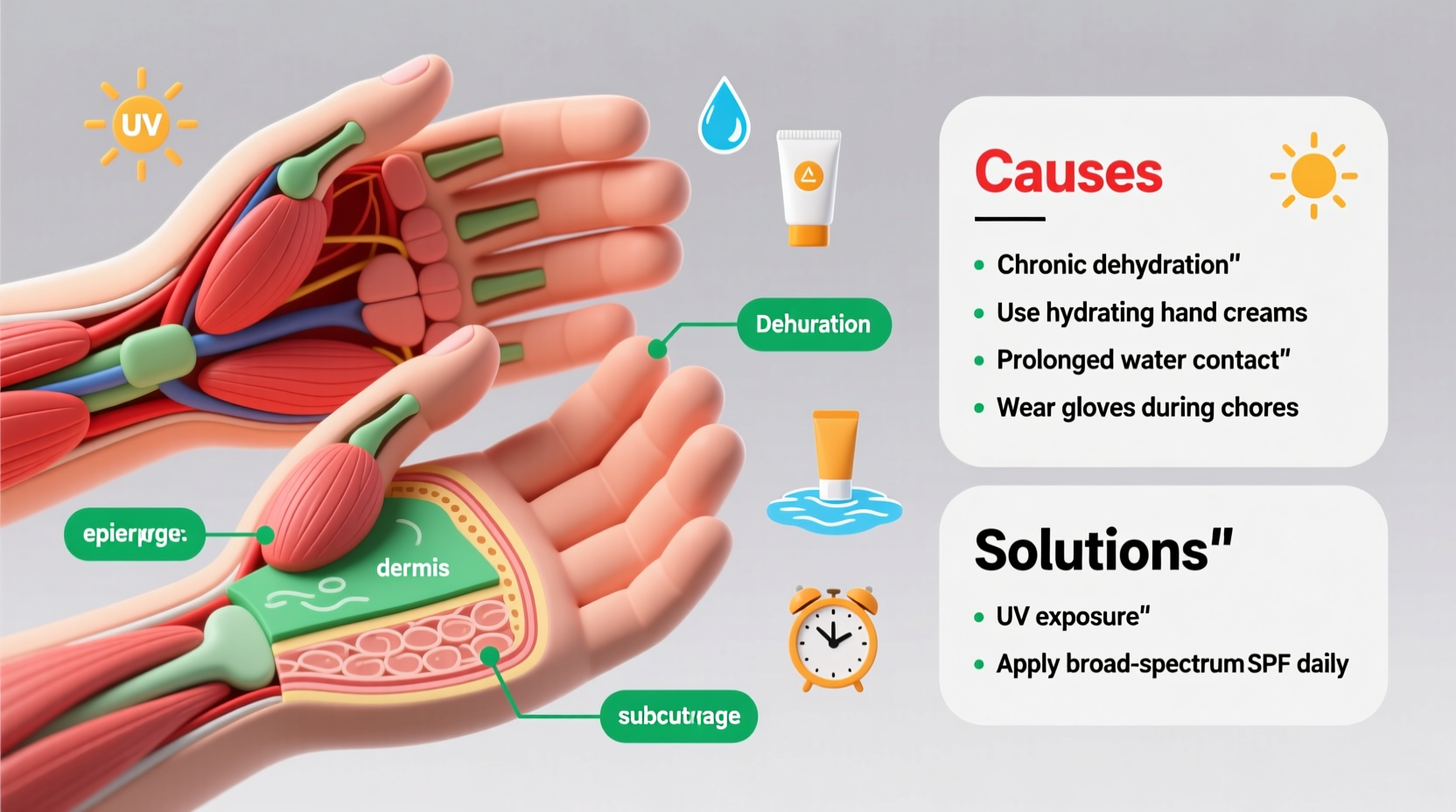
When fingers wrinkle in water, it’s not simply because the skin absorbs moisture. For decades, scientists believed that osmosis caused the outer layer of skin (the stratum corneum) to swell and wrinkle. However, research now shows this process is neurologically controlled. Blood vessels beneath the skin constrict in response to water exposure, creating a “pruney” effect through reduced volume under the skin surface.
This reaction is governed by the autonomic nervous system. A classic 1935 study by T. Lewis and G.W. Pickering found that individuals with nerve damage in their fingers did not experience water-induced wrinkling, confirming its neurological basis. This suggests that wrinkling may have evolved to improve grip in wet conditions—like treads on tires.
“Finger wrinkling in water is an active physiological response, not passive swelling. It’s one of the few visible signs of sympathetic nervous system function.” — Dr. Einar Wilder-Smith, Neurologist and Autonomic Function Researcher
Common Causes of Persistent Hand Wrinkling
While short-term wrinkling after washing dishes or bathing is harmless, chronically wrinkled or prematurely aged-looking hands may point to other factors:
- Dehydration: Lack of water intake dries out skin, reducing elasticity and making wrinkles more pronounced.
- Aging: Natural loss of collagen and fat pads in the hands leads to thinning skin and visible creases.
- Dry Skin (Xerosis): Harsh soaps, frequent handwashing, and low humidity strip natural oils, accelerating wrinkling.
- Nerve Damage: Conditions like diabetes or carpal tunnel syndrome impair autonomic signaling, altering how skin responds to moisture.
- Kidney or Liver Disease: Fluid imbalances and toxin buildup can affect skin texture and hydration.
- Malnutrition: Deficiencies in vitamins A, C, E, and essential fatty acids compromise skin integrity.
- Overexposure to Water or Chemicals: Prolonged immersion or use of detergents weakens the skin barrier.
Solutions to Reduce and Prevent Wrinkled Hands
Treating wrinkled hands effectively depends on identifying whether the cause is environmental, lifestyle-related, or medical. Most cases respond well to consistent care and preventive habits.
1. Hydrate Inside and Out
Drink at least 8 glasses of water daily to maintain skin hydration. Pair internal hydration with external moisturizing using creams rich in ceramides, hyaluronic acid, and glycerin. Apply immediately after washing hands to lock in moisture.
2. Use Gentle Cleansers
Switch from antibacterial soaps to fragrance-free, pH-balanced hand washes. Avoid alcohol-based sanitizers unless necessary, and always follow with moisturizer.
3. Wear Protective Gloves
Use rubber gloves when cleaning, gardening, or handling chemicals. Cotton-lined gloves add comfort and reduce sweating, which can also irritate skin.
4. Incorporate Skin-Supportive Nutrients
Eat foods high in omega-3 fatty acids (salmon, walnuts), vitamin E (sunflower seeds, spinach), and antioxidants (berries, dark leafy greens). These support skin elasticity and repair.
5. Consider Topical Retinoids
For age-related wrinkling, dermatologists often recommend low-dose retinol creams. These stimulate collagen production and thicken the dermis over time. Start slowly to avoid irritation.
Step-by-Step Evening Routine for Smoother Hands
Follow this nightly ritual to rejuvenate dry, wrinkled hands:
- Cleanse gently: Wash hands with lukewarm water and mild soap.
- Exfoliate weekly: Use a soft scrub or chemical exfoliant (like lactic acid) once or twice a week to remove dead skin.
- Apply treatment serum: Use a hyaluronic acid or peptide-based serum to plump skin.
- Moisturize deeply: Massage in a thick hand cream containing shea butter or squalane.
- Lock it in: Wear cotton gloves overnight to enhance absorption and prevent moisture loss.
Do’s and Don’ts: Hand Care Best Practices
| Do’s | Don’ts |
|---|---|
| Use lukewarm water instead of hot when washing hands | Soak hands in hot water for long periods |
| Reapply moisturizer after hand sanitizer use | Use alcohol-based sanitizers without following up with lotion |
| Wear gloves in cold weather to prevent windburn | Leave wet hands to air-dry; pat them dry gently instead |
| Choose fragrance-free products if you have sensitive skin | Scratch or pick at peeling or wrinkled skin |
Mini Case Study: Reversing Premature Hand Aging
Sarah, a 42-year-old nurse, noticed her hands looked decades older than her face. Frequent handwashing—up to 30 times per shift—left her skin cracked and deeply wrinkled. Despite using hand creams, improvement was minimal. After consulting a dermatologist, she made three key changes: switched to a syndet (synthetic detergent) cleanser, applied a ceramide-rich balm after each wash, and wore nitrile gloves during prolonged procedures.
Within six weeks, Sarah reported less tightness and visible smoothing of fine lines. After three months, her skin regained resilience. The case highlights how occupational exposure, when managed correctly, doesn’t have to lead to permanent damage.
When to See a Doctor
Persistent wrinkling unrelated to water exposure, especially when accompanied by numbness, discoloration, or slow healing, warrants medical evaluation. Conditions such as:
- Peripheral neuropathy
- Hypothyroidism
- Chronic kidney disease
- Autoimmune disorders like scleroderma
…can manifest through skin changes in the hands. A simple test—submerging fingers in warm water for 5 minutes—can help assess nerve function. Failure to wrinkle may indicate autonomic dysfunction.
Frequently Asked Questions
Is it bad if my hands don’t wrinkle in water?
No immediate danger, but lack of wrinkling can indicate nerve damage or circulatory issues. If this is a new change, consult a neurologist or primary care physician for evaluation.
Can I reverse hand wrinkles completely?
While aging-related changes can’t be erased entirely, consistent moisturizing, sun protection, and treatments like retinoids or professional procedures (e.g., laser therapy, filler injections) can significantly improve appearance.
Are wrinkled hands a sign of dehydration?
Yes. Dehydrated skin loses plumpness and elasticity, making wrinkles more noticeable. However, systemic dehydration usually presents with other symptoms like fatigue, dark urine, and dizziness.
Final Thoughts and Call to Action
Wrinkled hands are more than a cosmetic concern—they’re a reflection of your overall skin health, hydration levels, and daily habits. Whether the cause is simple dryness or something more complex, proactive care makes a measurable difference. Small changes, like switching soaps or wearing gloves, can preserve the youthfulness of your hands for years.
You don’t need expensive treatments to start seeing results. Begin tonight with a proper moisturizing routine and protective measures. Your hands work hard for you—give them the care they deserve.




 浙公网安备
33010002000092号
浙公网安备
33010002000092号 浙B2-20120091-4
Comments
No comments yet. Why don't you start the discussion?