
Hostas are among the most beloved shade garden perennials, prized for their lush foliage and low-maintenance nature. Yet even seasoned gardeners can be puzzled when their hostas fail to thrive. Instead of the expected vigorous growth and full, leafy mounds, they’re left with stunted plants or bare patches in the garden. The good news is that most issues preventing hosta growth have clear causes—and straightforward fixes.
Understanding why your hostas aren’t growing requires a careful look at environmental conditions, cultural practices, and potential pests or diseases. This guide breaks down the most common culprits and provides actionable solutions so you can restore your hostas to health and enjoy their full ornamental potential.
1. Poor Soil Conditions
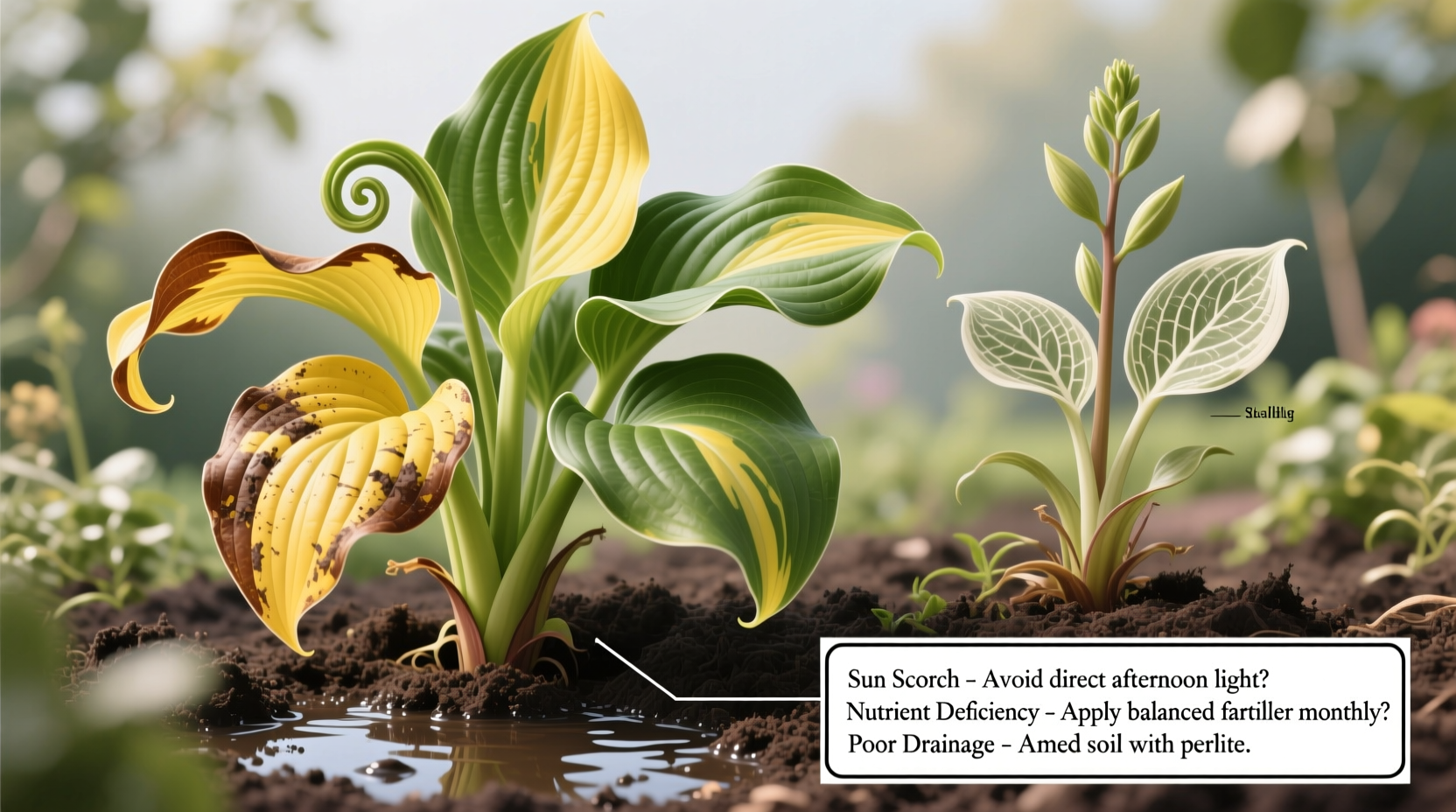
Hostas thrive in rich, well-draining, moisture-retentive soil. When planted in compacted, sandy, or nutrient-poor ground, their roots struggle to establish, leading to weak or nonexistent growth.
Soil that drains too quickly won’t hold enough moisture, while heavy clay can suffocate roots due to poor aeration. Both extremes hinder root development and nutrient uptake, directly impacting top growth.
A simple soil test can reveal pH imbalances or deficiencies. Hostas prefer slightly acidic to neutral soil (pH 6.5–7.5). If your soil is too alkaline or lacks organic matter, consider top-dressing annually with compost and using a balanced slow-release fertilizer in spring.
2. Incorrect Light Exposure
While hostas are known as shade-loving plants, not all varieties respond the same way to low light. Some gold or yellow-leaved cultivars actually need morning sun to develop their vibrant color and maintain strong growth.
Too much direct sunlight—especially afternoon sun—can scorch leaves and stress the plant, causing it to conserve energy rather than grow. Conversely, deep, constant shade results in leggy, weak stems and smaller leaves as the plant stretches for light.
“Hostas perform best with 3–4 hours of morning sun and dappled shade the rest of the day. This balance promotes dense growth without burning.” — Dr. Linda Chalker-Scott, Horticulture Extension Specialist, Washington State University
If your hostas are in full shade under dense tree canopies, consider pruning overhead branches to allow more filtered light. Alternatively, relocate slower-growing specimens to areas with partial sun exposure.
3. Pest Infestations: Slugs, Snails, and Voles
Pests are one of the top reasons for poor hosta performance. Slugs and snails are notorious for chewing irregular holes in leaves and feeding on emerging shoots in spring, which can severely stunt early-season growth.
Voles, small burrowing rodents, often gnaw on hosta crowns and roots during winter or early spring, sometimes killing the plant outright. Evidence includes collapsed centers, missing foliage, or visible tunneling near the base.
| Pest | Symptoms | Solutions |
|---|---|---|
| Slugs & Snails | Holes in leaves, slime trails, chewed new growth | Baits, copper tape barriers, hand-picking at night |
| Voles | Disappearing plants, damaged crowns, surface runways | Traps, gravel barriers, raised beds |
| Deer | Entire plants eaten down to the stem | Fencing, repellents, companion planting with deterrents |
Regular inspection—especially after rain or at dusk—is essential. Place beer traps or diatomaceous earth around affected plants to manage slugs. For voles, install hardware cloth beneath plantings or use vole-resistant containers.
4. Overcrowding and Lack of Division
Hostas are long-lived perennials that gradually expand each year. After several seasons, mature clumps can become overcrowded, leading to competition for water, nutrients, and root space. This congestion often results in diminished leaf size and reduced vigor.
Division every 3–5 years rejuvenates older plants and encourages robust growth. The best times to divide hostas are early spring (as shoots emerge) or early fall when temperatures are cooler.
Step-by-Step Guide to Dividing Hostas
- Water the plant thoroughly a day before dividing.
- Use a sharp spade to dig up the entire clump, preserving as much root as possible.
- Shake off excess soil to expose the crown and root system.
- Cut through the crown with a clean knife or shears, ensuring each division has 2–3 healthy eyes (growing points).
- Replant divisions immediately at the same depth they were growing before.
- Water deeply and mulch lightly to retain moisture.
Divided hostas may take a season to fully reestablish, but they typically return with stronger, more uniform growth.
5. Watering Issues: Too Little or Too Much
Consistent moisture is critical for hostas, especially during the first growing season and in warmer climates. Underwatering leads to wilted, curled leaves and dormancy onset earlier than normal. Overwatering, particularly in poorly drained soils, invites root rot and fungal diseases.
The ideal watering routine delivers about 1 inch of water per week, either from rainfall or irrigation. Deep, infrequent watering encourages deeper root systems better able to withstand dry spells.
To check if watering is adequate, insert your finger 2 inches into the soil. If it feels dry, it’s time to water. During extended heat waves, increase frequency but avoid wetting foliage to reduce disease risk.
Mini Case Study: Reviving a Struggling Hosta Bed
In suburban Ohio, homeowner Maria noticed her once-thriving hosta bed had declined over three years. Plants were small, leaves were riddled with holes, and some central crowns had died out.
After evaluation, she identified multiple factors: severe compaction from foot traffic, a thick layer of fallen oak leaves smothering the soil, and evidence of slug damage. She aerated the soil, removed debris, applied compost, and divided the largest clumps. She then set up beer traps and applied iron phosphate slug bait.
Within one growing season, new shoots emerged vigorously. By the second year, the bed was full and lush again—proof that diagnosing and addressing root causes yields dramatic results.
Common Mistakes That Hinder Hosta Growth
- Planting too deep: Burying the crown more than 1–2 inches below soil level can lead to rot and poor emergence.
- Neglecting fertilization: While hostas aren’t heavy feeders, a spring application of balanced fertilizer supports healthy growth.
- Ignoring air circulation: Crowded plantings in humid areas promote fungal diseases like anthracnose.
- Using chemical herbicides nearby: Drift from lawn weed killers can distort or kill hosta leaves.
FAQ
Why are my hostas not coming back in spring?
Delayed emergence can result from cold soil, excessive mulch, or vole damage. Check the crown for firmness—if it’s mushy or absent, rot or pests likely killed the plant. Otherwise, wait patiently; some varieties emerge weeks after others.
Can I grow hostas in full sun?
Most hostas prefer shade, but blue-green types scorch easily. A few sun-tolerant varieties, like ‘Sum and Substance’ or ‘Gold Standard,’ can handle 4–6 hours of morning sun if soil moisture is consistent.
How do I know if my hosta has root rot?
Signs include yellowing leaves, soft blackened roots, and a foul odor. Improve drainage, reduce watering, and remove affected tissue. Prevent recurrence by planting in raised beds or amending soil with perlite.
Checklist: Troubleshooting Non-Growing Hostas
- ✔ Assess soil quality and amend with compost if needed
- ✔ Evaluate light levels—adjust placement if too dark or too bright
- ✔ Inspect for pests (slugs, voles, deer) and apply appropriate controls
- ✔ Divide overcrowded clumps every 3–5 years
- ✔ Ensure consistent watering without oversaturation
- ✔ Mulch appropriately—keep away from the crown
- ✔ Fertilize lightly in early spring with a balanced formula
Conclusion
Hostas are resilient plants when given the right conditions. Slow or absent growth is rarely due to a single cause—it’s usually a combination of suboptimal soil, light, moisture, or pest pressure. By systematically evaluating each factor and applying targeted solutions, you can revive struggling plants and create an environment where hostas flourish.




 浙公网安备
33010002000092号
浙公网安备
33010002000092号 浙B2-20120091-4
Comments
No comments yet. Why don't you start the discussion?