
Flat nails—nails that lack the natural convex curve—are more than just a cosmetic concern. While some people naturally have flatter nail beds, a noticeable change in nail shape can signal an underlying health issue. Understanding the reasons behind flat nails is essential for addressing root causes and maintaining overall wellness. From nutritional imbalances to systemic diseases, multiple factors can influence nail structure. This article explores the science behind flat nails, identifies key contributing factors, and offers actionable guidance for diagnosis and care.
What Normal Nails Should Look Like
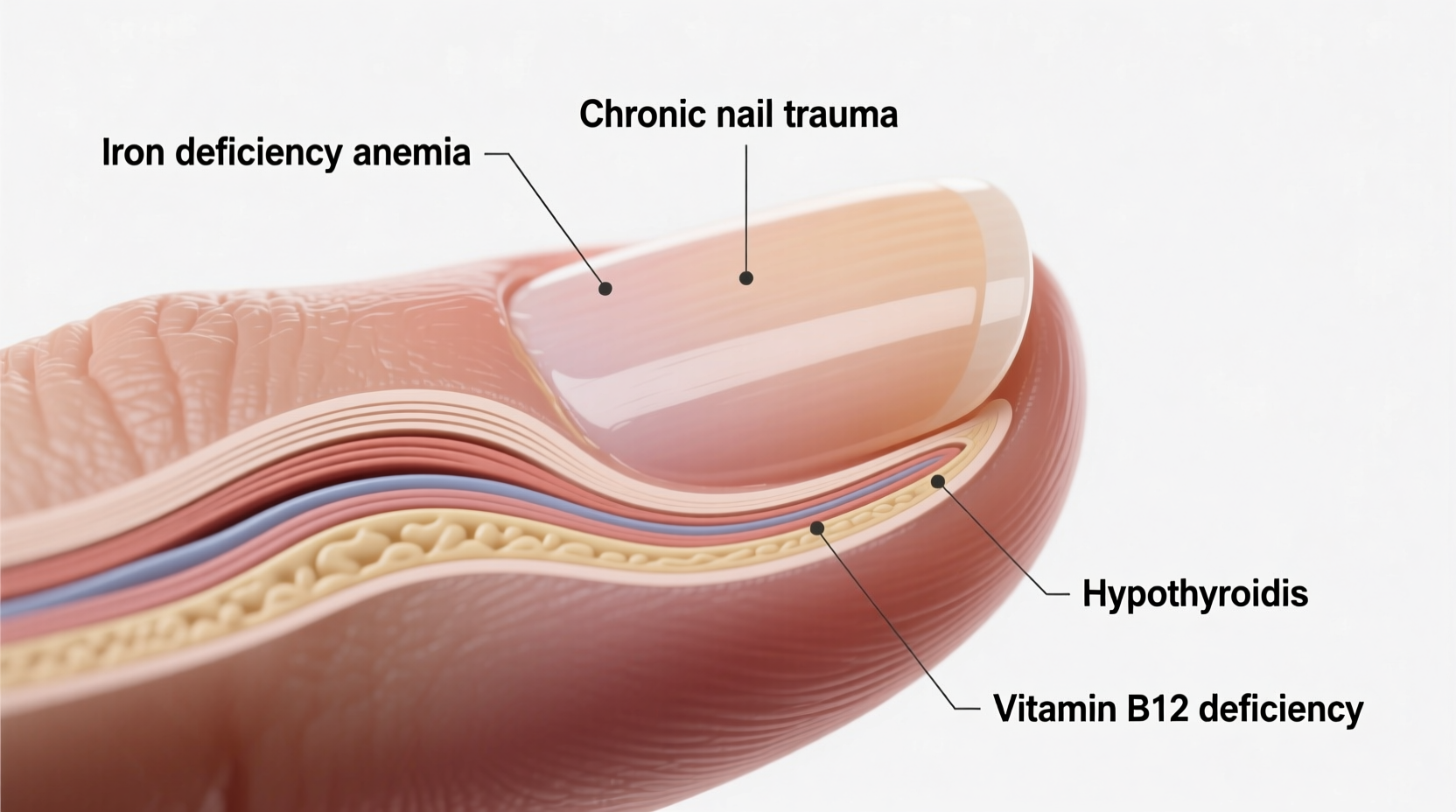
Healthy fingernails typically have a gentle outward curve, following the contour of the fingertip. This convex shape is not only aesthetically typical but also structurally functional, providing strength and protection to the fingertip. The nail plate should be smooth, evenly colored (usually pink with a white crescent at the base), and free from ridges, dents, or discoloration.
When nails lose their natural arch and become flat—or worse, begin to dip inward (a condition known as koilonychia or \"spoon nails\")—it often indicates a physiological shift. While genetics play a role in nail shape, sudden flattening warrants closer inspection.
Common Causes of Flat Nails
Flat nails do not develop in isolation. They are frequently symptoms of deeper issues. Below are the most prevalent causes:
Nutritional Deficiencies
The most common cause of flat or spoon-shaped nails is iron deficiency anemia. Iron is vital for hemoglobin production and proper oxygen transport. When levels drop, tissues—including the nail matrix—receive less oxygen, weakening nail development.
Other nutrient shortfalls linked to nail changes include:
- Vitamin B12: Deficiency can lead to brittle, discolored, or abnormally shaped nails.
- Folic acid and protein: Essential for keratin synthesis; low intake results in thin, soft, or flat nails.
- Zinc: Supports cell growth and repair; deficiency may delay nail regeneration.
Habitual Trauma or Pressure
Frequent physical stress on the nails—such as aggressive filing, prolonged typing, or manual labor—can flatten the nail bed over time. Nail-biters and cuticle pickers may also disrupt natural growth patterns, leading to structural deformation.
Underlying Medical Conditions
Certain chronic illnesses manifest through nail changes. Flat or spooned nails are associated with:
- Hemochromatosis: A genetic disorder causing excessive iron absorption, paradoxically linked to koilonychia despite high body iron stores.
- Raynaud’s disease: Reduced blood flow to extremities affects nail nutrition and morphology.
- Thyroid disorders: Both hypothyroidism and hyperthyroidism can alter nail growth, texture, and curvature.
- Liver or kidney disease: Impaired detoxification impacts protein balance and tissue health, including nails.
Genetic Predisposition
Some individuals inherit flat nail beds without any pathology. If family members share similar nail shapes and no other symptoms exist, it may simply be a benign anatomical variation.
“Nail changes are often the first visible clue to systemic disease. A dermatologist should evaluate persistent or progressive flattening.” — Dr. Lena Torres, Board-Certified Dermatologist
Diagnostic Checklist: When to Seek Help
Not every flat nail requires medical intervention. However, certain red flags suggest the need for professional assessment. Use this checklist to determine whether further evaluation is warranted:
- New onset of nail flattening within the past few months
- Nails that appear concave or hold a droplet of water (spooning)
- Fatigue, pale skin, or shortness of breath (signs of anemia)
- Brittleness, ridges, or discoloration accompanying flatness
- Cold hands and feet with color changes (possible Raynaud’s)
- Family history of autoimmune or metabolic disorders
- No improvement after dietary or lifestyle adjustments
Step-by-Step Guide to Addressing Flat Nails
If you’ve noticed changes in your nail shape, follow this structured approach to identify and resolve the cause:
- Document the Change: Take weekly photos of your nails under consistent lighting to track progression.
- Review Diet and Supplements: Assess intake of iron-rich foods (red meat, spinach, lentils), vitamin B12 (fish, eggs, fortified cereals), and zinc (nuts, seeds, shellfish).
- Eliminate Mechanical Stress: Avoid tight gloves, repetitive tapping, or harsh nail tools. File gently in one direction.
- Schedule Blood Work: Request a complete blood count (CBC), serum ferritin, TSH, and vitamin B12 levels from your physician.
- Consult a Specialist: See a dermatologist or hematologist if results indicate abnormalities or symptoms persist.
- Begin Targeted Treatment: Follow prescribed supplementation or therapy based on diagnosis.
- Reassess After 3–6 Months: Nail regrowth takes time; monitor improvements gradually.
Do’s and Don’ts: Nail Health Best Practices
| Do’s | Don’ts |
|---|---|
| Eat iron- and protein-rich meals regularly | Ignore fatigue or pallor alongside nail changes |
| Use gloves when handling detergents or chemicals | Soak nails excessively in water or acetone |
| Maintain moderate nail length to reduce trauma | File nails back and forth aggressively |
| Apply moisturizer to cuticles daily | Assume all nail changes are harmless without evaluation |
| Track symptoms in a health journal | Self-diagnose or over-supplement without testing |
Real-Life Example: Maria’s Journey to Diagnosis
Maria, a 34-year-old teacher, began noticing her nails looked unusually flat. At first, she dismissed it as aging. But when two nails developed a spoon-like dip and she started feeling fatigued during school hours, she consulted her doctor. Blood tests revealed low serum ferritin and hemoglobin—indicating iron deficiency anemia. Further investigation uncovered celiac disease, which was impairing her nutrient absorption. After starting a gluten-free diet and iron supplementation, her energy returned within weeks. Over six months, her nails regained their natural curve. Maria’s case highlights how nail changes can serve as early warnings for treatable conditions.
Frequently Asked Questions
Can dehydration cause flat nails?
Dehydration may temporarily affect nail flexibility and appearance, making them look dull or weak, but it does not typically cause structural flattening. Chronic changes are more likely tied to nutritional or medical issues rather than short-term fluid imbalance.
Are flat nails reversible?
Yes, in many cases. If the cause is nutritional deficiency or manageable illness, correcting the underlying issue often allows nails to return to their normal shape over several months as new nail grows out. Patience is key—fingernails grow about 3 mm per month.
Is koilonychia always a sign of anemia?
No, although iron deficiency is the most common cause, spoon nails can also result from genetic conditions, autoimmune diseases like lupus, or exposure to petroleum-based solvents. A full clinical evaluation is necessary for accurate diagnosis.
Taking Action for Healthier Nails
Your nails are more than accessories—they’re windows into your internal health. Flat nails shouldn’t be ignored, especially when they represent a departure from your norm. Whether the cause is dietary, mechanical, or medical, identifying the root issue empowers you to take meaningful steps toward correction. Simple habits like balanced eating, protective nail care, and regular self-checks go a long way. But when in doubt, seek professional insight. Early intervention can prevent complications and restore both nail integrity and overall well-being.




 浙公网安备
33010002000092号
浙公网安备
33010002000092号 浙B2-20120091-4
Comments
No comments yet. Why don't you start the discussion?