
Nail peeling—especially when it occurs in thin, visible layers—is more than just a cosmetic nuisance. It can signal underlying health imbalances, environmental damage, or improper nail care habits. While occasional flaking might seem harmless, persistent layering and splitting weaken the nail structure, making daily tasks uncomfortable and undermining confidence. The good news is that most causes of peeling nails are reversible with targeted changes. Understanding the root reasons—from nutritional gaps to chemical exposure—empowers you to take action quickly and effectively.
Common Causes of Layered Nail Peeling
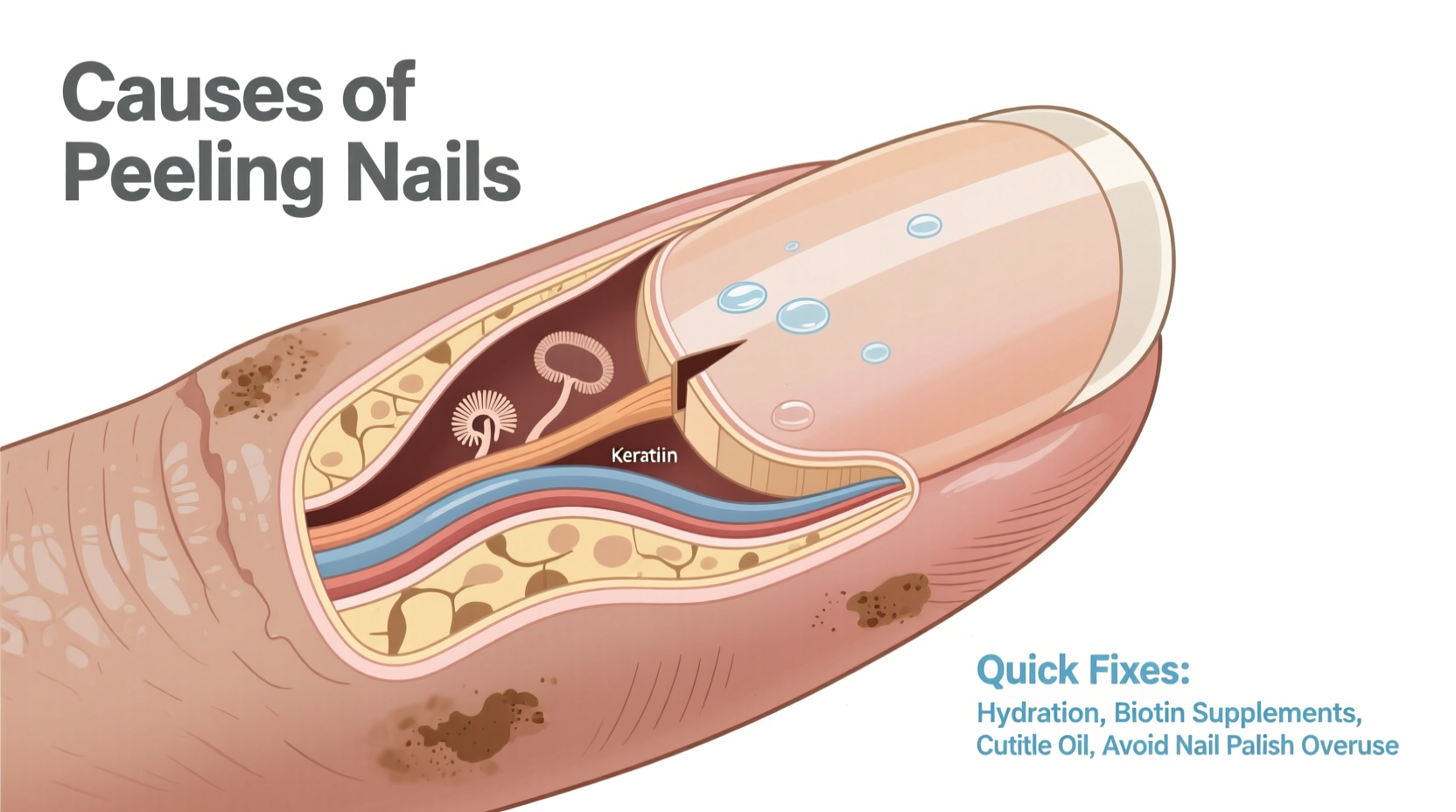
The nail plate is made primarily of keratin, a tough protein that provides structure and resilience. When this matrix becomes compromised, the layers begin to separate, leading to peeling. Several internal and external factors contribute to this breakdown.
Dryness and Moisture Imbalance
Nails need a delicate balance of moisture. Overexposure to water—such as frequent handwashing, dishwashing, or swimming—softens the nail plate, causing it to swell. When the nail dries, it contracts, creating micro-tears between layers. This repeated expansion and contraction weakens structural integrity over time.
Conversely, living in dry climates or using harsh hand sanitizers without moisturizing afterward strips natural oils, leaving nails brittle and prone to delamination.
Chemical Exposure
Nail polish removers containing acetone are among the top culprits behind peeling. Acetone rapidly evaporates moisture from both the nail and surrounding skin. Frequent use—especially without allowing recovery time—leads to dehydration and layer separation.
Other irritants include household cleaners, detergents, and adhesives used in artificial nails. Even prolonged wear of gel polish or acrylics can dehydrate the nail bed and cause surface lifting.
Nutritional Deficiencies
Your nails reflect your internal health. Deficiencies in key nutrients impair keratin production and nail matrix function. Common deficiencies linked to peeling include:
- Biotin (Vitamin B7): Supports keratin infrastructure; low levels correlate with brittle, splitting nails.
- Iron: Iron-deficiency anemia often presents with koilonychia (spoon-shaped nails) and increased fragility.
- Zinc: Essential for cell division and protein synthesis in growing nails.
- Vitamin C: Required for collagen formation, which supports nail bed health.
- Omega-3 Fatty Acids: Help maintain natural nail hydration and reduce inflammation.
“Nails are a window into systemic health. Chronic peeling without obvious external triggers should prompt a nutritional or medical evaluation.” — Dr. Lena Torres, Dermatologist & Nail Health Specialist
Mechanical Trauma and Poor Nail Habits
Everyday behaviors like using nails as tools—to open packages, scratch surfaces, or type aggressively—cause micro-trauma. This stress leads to delamination, especially at the free edge. Similarly, aggressive filing, cutting cuticles too short, or wearing overly long nails increases leverage and breakage risk.
Underlying Medical Conditions
While environmental and lifestyle factors dominate, certain medical issues may manifest through nail changes:
- Thyroid disorders: Both hypothyroidism and hyperthyroidism disrupt nail growth cycles.
- Fungal infections: Onychomycosis causes thickening, discoloration, and crumbling—but early stages may resemble peeling.
- Psoriasis: Can affect the nail matrix, leading to pitting, separation (onycholysis), and layering.
- Eczema or contact dermatitis: Inflammation around the nail fold compromises nail integrity.
Quick Fixes to Stop Peeling Nails Immediately
While long-term healing requires addressing root causes, several immediate interventions can halt further damage and support repair.
1. Switch to Acetone-Free Polish Remover
Replace acetone-based products with gentler alternatives containing ethyl acetate or isopropyl alcohol. Look for formulas enriched with glycerin or vitamin E to minimize drying.
2. Hydrate with Nail-Targeted Oils
Apply a blend of jojoba oil, almond oil, or argan oil directly to nails and cuticles twice daily. These mimic natural sebum and penetrate deeply. For enhanced results, wear cotton gloves overnight after application.
3. Use a Nail Hardener (Temporarily)
Choose a protein-based hardener (containing keratin or calcium) rather than formaldehyde-heavy formulas, which can over-dry and weaken nails over time. Apply every other day for up to two weeks, then discontinue to prevent brittleness.
4. File Gently with the Right Tool
Use a fine-grit glass or crystal file instead of metal emery boards. File in one direction only—back-and-forth sawing creates fraying at the edges. Shape nails in a rounded or squoval form to reduce snagging.
5. Wear Protective Gloves
Wear nitrile-lined gloves when cleaning, gardening, or handling chemicals. Cotton-lined gloves offer comfort during prolonged wear. Avoid latex if you have sensitivities.
| Do’s | Don’ts |
|---|---|
| Moisturize nails after water exposure | Soak nails in acetone for extended periods |
| Cut nails straight across, then round slightly | Peel or bite off loose layers |
| Use base coats with hydrating ingredients | Scrub under nails with sharp tools |
| Take biotin supplements (if deficient) | Apply thick acrylics while nails are damaged |
Step-by-Step Recovery Plan for Stronger Nails
Repairing layered nails takes consistency. Follow this 6-week timeline to rebuild strength and prevent recurrence.
- Week 1–2: Damage Control
- Stop using acetone-based removers.
- Trim nails short to eliminate leverage points.
- Apply cuticle oil morning and night.
- Avoid gel manicures and nail enhancements.
- Week 3–4: Rehydrate and Protect
- Begin using a hydrating nail serum with hyaluronic acid or panthenol.
- Wear gloves during all wet work.
- Introduce a daily multivitamin with biotin (2.5–5 mg) and zinc.
- Eat more eggs, nuts, salmon, spinach, and sweet potatoes.
- Week 5–6: Strengthen and Monitor
- Gradually file nails to desired shape using a 180-grit file.
- Apply a breathable, HEMA-free base coat if using polish.
- Assess improvement: Are new growths smoother? Less peeling?
- Consider blood testing if no progress—check iron, ferritin, thyroid, and vitamin D.
Real-Life Example: Sarah’s Nail Recovery Journey
Sarah, a 34-year-old nurse, noticed her nails began peeling in layers after switching to a hospital with strict hand hygiene protocols. Washing her hands 20+ times per shift left her nails soft, flaky, and painful. Despite using hand cream, the problem worsened over six months.
She consulted a dermatologist who identified chronic water exposure and lack of occlusive protection as primary causes. Sarah implemented changes: she started wearing nitrile gloves under her medical gloves when possible, applied jojoba oil after every third handwash, and took a daily supplement with biotin and omega-3s.
Within eight weeks, new growth appeared stronger and smoother. By week 12, peeling had stopped entirely. Her experience underscores how occupational demands can silently erode nail health—and how targeted adjustments yield rapid results.
Essential Checklist for Healthy Nails
Follow this checklist daily and weekly to maintain strong, resilient nails:
- ✅ Moisturize nails and cuticles twice daily
- ✅ Wear gloves during cleaning or wet work
- ✅ Use acetone-free nail polish remover
- ✅ Avoid peeling or picking at layers
- ✅ File nails gently in one direction
- ✅ Eat protein-rich foods and leafy greens
- ✅ Take a quality biotin or multivitamin (if needed)
- ✅ Give nails a break from polish every few weeks
- ✅ Stay hydrated—drink at least 2 liters of water daily
- ✅ Schedule a doctor’s visit if peeling persists beyond 3 months
Frequently Asked Questions
Can peeling nails be a sign of a serious health issue?
Occasional peeling due to environmental exposure is common. However, widespread, persistent peeling accompanied by discoloration, pain, or skin changes may indicate thyroid disease, anemia, or autoimmune conditions. If you notice systemic symptoms like fatigue, hair loss, or weight changes, consult a healthcare provider for blood work.
How long does it take for peeling nails to heal?
Nails grow slowly—about 3 mm per month. Since fingernails take 6–9 months to fully regenerate, visible improvement typically appears within 6–8 weeks of consistent care. Patience and routine adherence are critical.
Is it safe to use nail hardeners regularly?
Most nail hardeners are designed for short-term use (2–4 weeks). Long-term application, especially of formaldehyde-containing products, can make nails brittle and increase cracking risk. Opt for protein-based or hydrating formulas, and always allow recovery periods without treatments.
Final Thoughts: Take Action for Healthier Nails
Peeling nails in layers aren't inevitable. They’re a signal—one that, when heeded, can lead to better self-care and improved overall wellness. Whether the cause is dehydration, poor nutrition, or mechanical stress, solutions exist that are simple, affordable, and effective. The key is consistency: daily hydration, mindful product choices, and attention to diet and health.
You don’t need a perfect manicure to have healthy nails. You need a sustainable routine that respects the biology of your body. Start today—protect your hands, nourish your body, and give your nails the chance to grow strong from the root.




 浙公网安备
33010002000092号
浙公网安备
33010002000092号 浙B2-20120091-4
Comments
No comments yet. Why don't you start the discussion?