
Winter brings cozy sweaters, warm drinks, and unfortunately, brittle, peeling nails for many people. If your nails have become soft, layered, or prone to splitting during colder months, you're not alone. The drop in temperature and humidity, combined with frequent handwashing and exposure to harsh elements, takes a toll on nail health. While it may seem like a minor cosmetic issue, peeling nails can signal underlying nutritional deficiencies or improper care routines. The good news is that with targeted natural strategies—ranging from dietary changes to protective habits—you can restore strength and resilience to your nails without relying on harsh chemicals or expensive treatments.
Why Winter Causes Nail Peeling
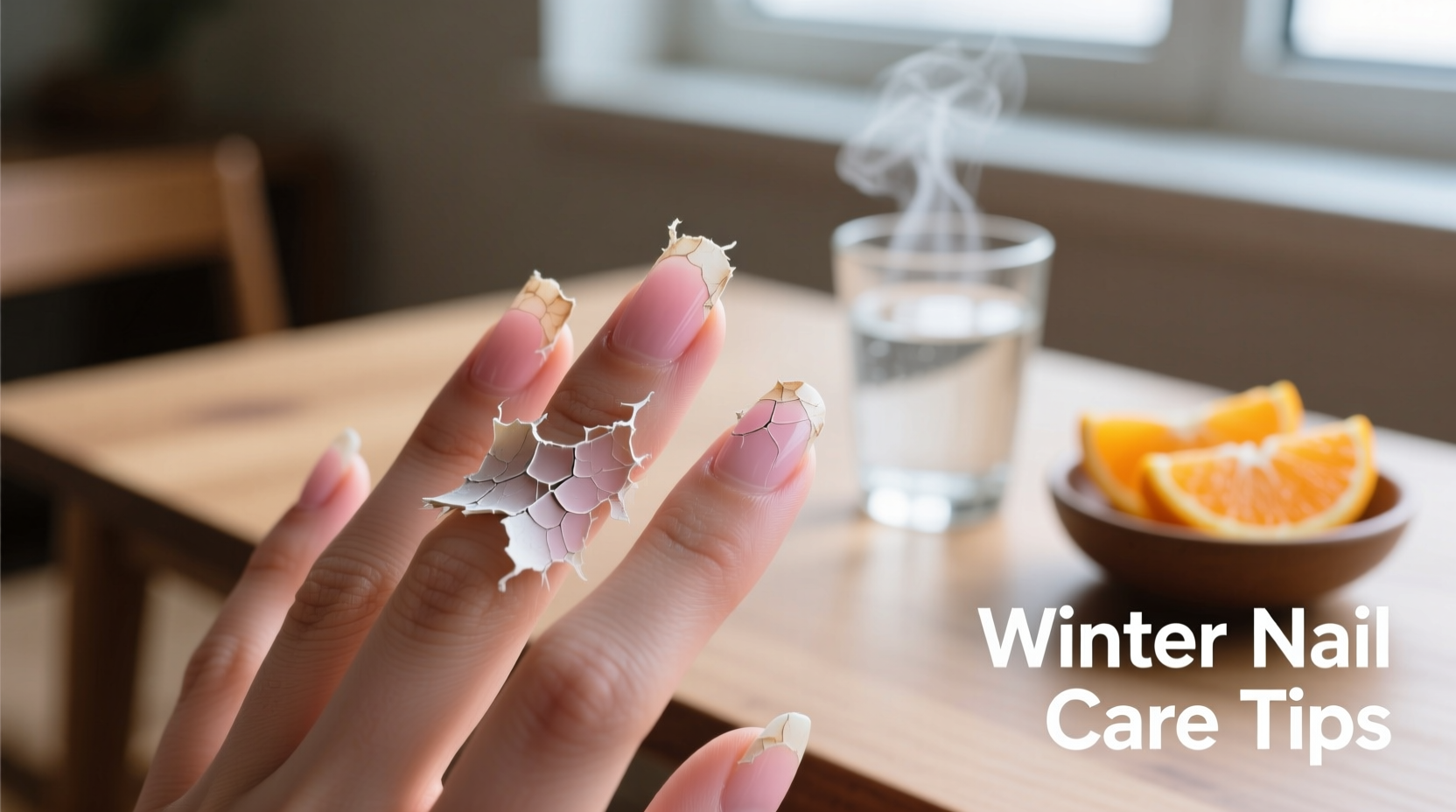
The structure of your nails makes them particularly vulnerable to environmental shifts. Nails are made of keratin, a protein also found in hair and skin. Unlike skin, however, nails don’t have oil glands, so they rely on external moisture and the hydration of the surrounding cuticle and nail bed. During winter, several factors converge to weaken this delicate balance:
- Low humidity: Cold air holds less moisture, leading to dry indoor environments due to heating systems.
- Frequent handwashing: Necessary for hygiene, but soap and hot water strip natural oils from nails and cuticles.
- Exposure to cold and wind: These conditions dehydrate the nail plate, making it more fragile.
- Chemical exposure: Increased use of hand sanitizers, cleaning products, and even nail polish removers dries out nails.
When nails lose moisture, they become brittle and start to delaminate—peeling in thin layers rather than breaking cleanly. This process is often mistaken for weakness due to poor nutrition, but in winter, environment plays an equally critical role.
Natural Ways to Strengthen Your Nails
Strengthening nails naturally involves both internal nourishment and external protection. Rather than relying on synthetic hardeners—which can sometimes worsen brittleness over time—focus on sustainable, holistic practices that support long-term nail integrity.
1. Hydrate Inside and Out
Internal hydration starts with drinking enough water—aim for at least 2 liters daily. Dehydrated bodies produce dry nails. Externally, moisturizing regularly prevents cracking and peeling.
Use natural oils such as:
- Jojoba oil: Mimics the skin’s sebum and deeply penetrates the nail bed.
- Coconut oil: Antimicrobial and rich in fatty acids, ideal for overnight treatment.
- Almond oil: High in vitamin E, which supports cell regeneration.
Apply a few drops to each nail and massage into the cuticle nightly before bed. For deeper absorption, wear cotton gloves afterward.
2. Optimize Your Diet for Nail Health
Nails reflect overall nutritional status. Deficiencies in certain nutrients directly contribute to peeling and softness.
| Nutrient | Role in Nail Health | Best Food Sources |
|---|---|---|
| Biotin (Vitamin B7) | Supports keratin production; improves thickness and reduces splitting | Eggs, nuts, sweet potatoes, spinach |
| Iron | Prevents brittle nails and ridges; deficiency linked to spoon-shaped nails | Red meat, lentils, fortified cereals, pumpkin seeds |
| Zinc | Aids tissue repair and growth; low levels cause white spots and weak nails | Oysters, chickpeas, cashews, beef |
| Vitamin C | Boosts collagen synthesis; enhances iron absorption | Citrus fruits, bell peppers, broccoli, strawberries |
| Omega-3 Fatty Acids | Reduce inflammation and keep nail beds hydrated | Fatty fish, flaxseeds, chia seeds, walnuts |
“Nail changes are often the first visible sign of nutritional imbalance. A well-rounded diet rich in protein and essential vitamins is foundational for strong nails.” — Dr. Lena Patel, Dermatological Nutrition Specialist
3. Protect Nails from Physical Stress
Daily activities like typing, opening packages, or using tools place mechanical stress on nails. Over time, this leads to micro-tears and layer separation.
To minimize damage:
- Keep nails trimmed short and filed in one direction (back-and-forth filing weakens edges).
- Avoid using nails as tools (e.g., prying open lids).
- Wear cotton-lined rubber gloves when doing wet work like dishwashing.
Step-by-Step Guide to Revive Peeling Nails in 4 Weeks
Consistency is key. Follow this structured routine to see visible improvement within a month:
- Week 1: Assess & Adjust
- Stop using acetone-based nail polish removers.
- Begin taking a daily multivitamin with biotin (2.5–5 mg) if diet is insufficient.
- Start applying almond oil to nails twice daily.
- Week 2: Build Protection Habits
- Wear gloves outdoors and during chores.
- Switch to gentle, fragrance-free hand soap.
- Hydrate hands after every wash with a natural balm.
- Week 3: Enhance Nutrition
- Incorporate two servings of leafy greens and one serving of lean protein daily.
- Add chia or flaxseed to breakfast smoothies for omega-3s.
- Limit sugary foods, which can impair nutrient absorption.
- Week 4: Monitor & Maintain
- Check for reduced peeling and improved flexibility.
- Continue oil treatments and protective measures.
- Consider a blood test if no improvement—rule out iron or thyroid issues.
Common Myths About Nail Strength
Misinformation often leads people to adopt counterproductive habits. Let’s clarify some widespread misconceptions:
| Myth | Truth |
|---|---|
| Clear nail hardeners instantly fix weak nails. | Most contain formaldehyde or solvents that dry nails further; best used sparingly. |
| Gel manicures strengthen nails. | They add temporary thickness but can cause thinning and dehydration with repeated use. |
| Nails need to “breathe” between polishes. | Nails get oxygen from the bloodstream, not the air; polish doesn’t suffocate them. However, constant polish can trap moisture and promote fungal growth. |
| Peeling is always due to lack of calcium. | Calcium deficiency rarely affects nails directly; biotin, iron, and protein are more relevant. |
Real-Life Example: Maria’s Winter Nail Recovery
Maria, a 34-year-old teacher from Chicago, noticed her nails peeling severely every winter. She frequently washed her hands between classes and used hand sanitizer throughout the day. Despite using store-bought nail strengtheners, her nails would split just below the fingertip, making typing painful.
After consulting a dermatologist, she learned her diet was low in protein and essential fats. She began adding eggs and salmon to her meals, started massaging jojoba oil into her nails each night, and wore gloves while grading papers in her unheated classroom.
Within six weeks, her nails stopped peeling. By spring, they were longer and stronger than they’d been in years. Her experience highlights how combining lifestyle adjustments with nutritional awareness yields lasting results.
Essential Checklist for Healthy Winter Nails
Follow this checklist daily and weekly to maintain strong, resilient nails all season:
- ✅ Apply natural oil to nails and cuticles every night
- ✅ Wear gloves in cold weather and during household chores
- ✅ Drink at least 8 glasses of water per day
- ✅ Eat a protein-rich meal with every main meal
- ✅ Avoid soaking hands in hot water for extended periods
- ✅ Use a non-acetone nail polish remover when needed
- ✅ File nails gently in one direction with a fine-grit file
- ✅ Limit gel manicures and avoid biting or picking at cuticles
Frequently Asked Questions
Can vitamin supplements really improve nail strength?
Yes, especially if you have a deficiency. Biotin is the most studied supplement for nail health. Clinical trials show that 2.5–5 mg of biotin daily can increase nail thickness by up to 25% and reduce splitting in individuals with brittle nails. However, results take 2–3 months to appear, as nails grow slowly—about 3 mm per month on average.
Is it normal for nails to peel only in winter?
Yes. Seasonal nail changes are common. The combination of dry air, indoor heating, and increased handwashing creates a perfect storm for moisture loss. Many people experience stronger, smoother nails in summer when humidity is higher and hands are less exposed to drying agents.
How can I tell if my peeling nails are a sign of a medical issue?
Occasional peeling due to weather is normal. But if you notice additional symptoms—such as discoloration, thickening, pain, or crumbling—it could indicate a fungal infection, psoriasis, or thyroid disorder. Vertical ridges are usually age-related, but deep horizontal lines (Beau’s lines) may signal past illness or nutrient deficiency. Consult a healthcare provider if changes persist despite proper care.
Final Thoughts: Stronger Nails Start with Consistent Care
Peeling nails in winter aren’t inevitable. They’re a response to environmental stress and often a reflection of what your body needs more of—whether it’s hydration, nutrients, or protection. The solutions don’t require expensive products or drastic changes. Instead, focus on small, sustainable habits: feeding your body the right nutrients, shielding your hands from extremes, and nurturing your nails with natural oils.
Remember, nail growth is slow. You won’t see dramatic changes overnight. But with patience and consistency, your nails can become stronger, smoother, and more resilient—not just in winter, but year-round.




 浙公网安备
33010002000092号
浙公网安备
33010002000092号 浙B2-20120091-4
Comments
No comments yet. Why don't you start the discussion?