
Peeling nails—especially when layers split or flake away like onion skin—are more than a cosmetic concern. They can signal underlying health imbalances, environmental stressors, or nutritional deficiencies. While occasional nail splitting is normal, persistent peeling often points to deeper issues that go beyond surface-level care. Understanding the root causes and addressing them with targeted nutritional strategies can transform brittle, fragile nails into resilient, healthy ones.
What Causes Nails to Peel in Layers?
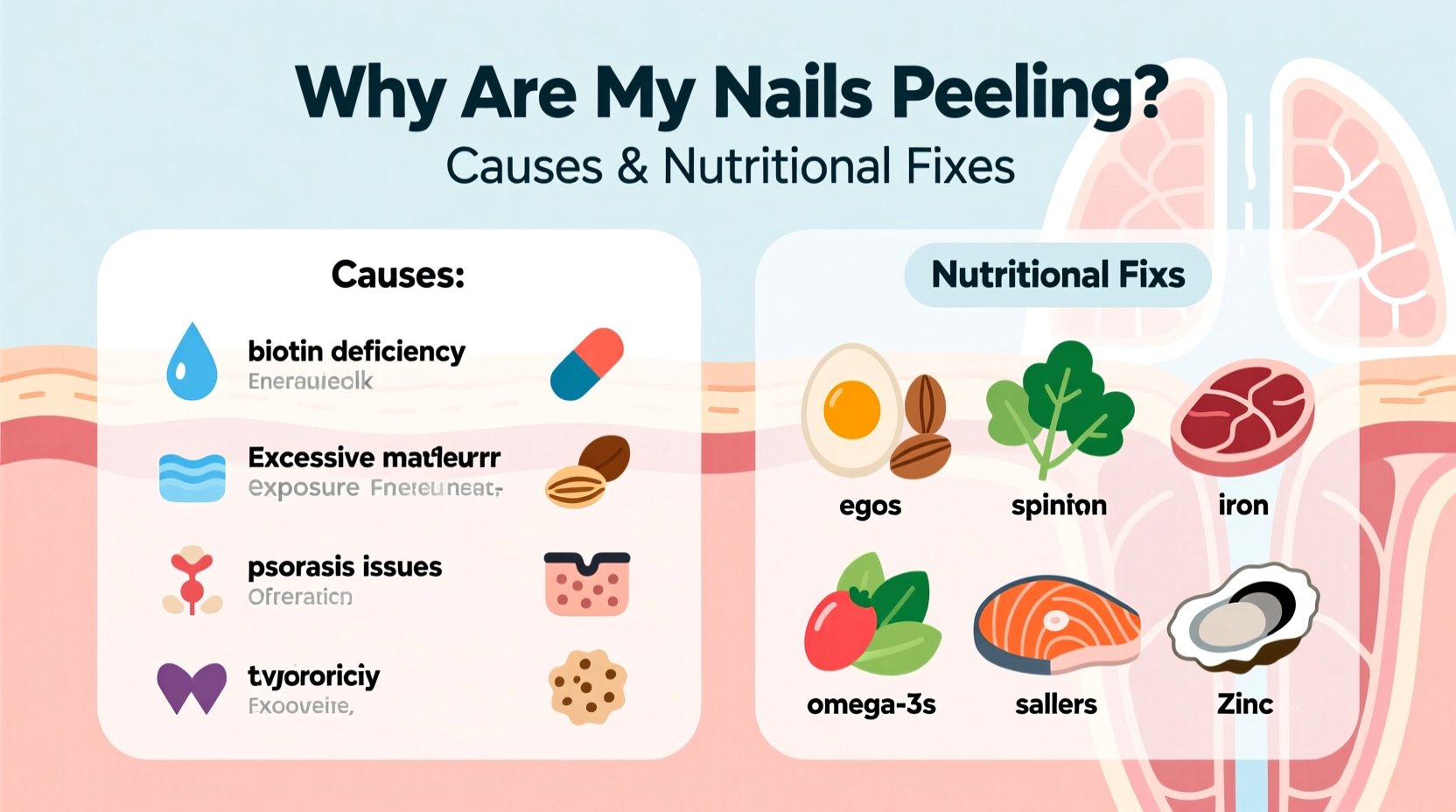
Nail peeling occurs when the keratin layers of the nail plate separate horizontally. Unlike vertical ridges or splits, which may stem from trauma or aging, horizontal layering suggests structural weakness. Multiple factors contribute to this condition, ranging from external exposure to internal deficiencies.
The most common culprits include:
- Excessive moisture exposure: Frequent handwashing, dishwashing, or prolonged water contact softens nails, making them prone to swelling and peeling as they dry.
- Drying chemicals: Harsh soaps, detergents, nail polish removers (especially acetone-based), and cleaning agents strip natural oils from nails and cuticles.
- Mechanical stress: Using nails as tools—opening packages, typing aggressively, or frequent tapping—can cause micro-trauma leading to delamination.
- Poor manicure practices: Over-filing, aggressive cuticle trimming, or using metal tools incorrectly damages the nail matrix and weakens structure.
- Underlying health conditions: Thyroid disorders, psoriasis, lichen planus, and fungal infections can manifest through nail changes, including peeling.
- Nutritional deficiencies: This is one of the most overlooked yet correctable causes. Deficiencies in protein, biotin, iron, zinc, and essential fatty acids directly impair nail integrity.
Key Nutritional Deficiencies That Weaken Nails
The nail bed is highly metabolically active. Keratin production depends on a steady supply of nutrients. When dietary intake falls short, nails are among the first areas to show signs of deficiency because they're non-essential tissues—the body prioritizes vital organs over hair and nails during nutrient scarcity.
Biotin (Vitamin B7)
Biotin is perhaps the most well-known nutrient for nail health. It supports keratin infrastructure and has been shown in clinical studies to improve nail thickness and reduce splitting. A 2017 review published in Clinical Cosmetic and Investigational Dermatology found that daily supplementation with 2.5 mg of biotin led to firmer, less brittle nails in 63–91% of participants after 3–6 months.
Iron
Iron deficiency, especially when it progresses to anemia, is strongly linked to koilonychia—spoon-shaped, thin nails that peel easily. Even subclinical deficiency can impair oxygen delivery to the nail matrix, slowing growth and weakening structure. Women of reproductive age are particularly at risk due to menstrual blood loss.
Protein
Nails are made primarily of keratin, a structural protein. Inadequate dietary protein reduces amino acid availability, compromising nail strength. Diets very low in animal proteins or poorly balanced plant-based diets may lack sufficient sulfur-containing amino acids like cysteine and methionine, which are critical for disulfide bonds in keratin.
Zinc
Zinc plays a role in cell division and protein synthesis. Deficiency can lead to white spots, slow growth, and increased fragility. Vegetarians and those with digestive issues (like Crohn’s disease) are more susceptible to low zinc levels.
Omega-3 Fatty Acids
These fats support skin and nail hydration by reinforcing lipid barriers. Low intake leads to dryness not just in skin but also in the nail plate and surrounding cuticles, increasing susceptibility to peeling.
“Nail changes are often the canary in the coal mine for nutritional status. A patient complaining of peeling nails should prompt a dietary assessment before jumping to topical treatments.” — Dr. Lena Patel, Board-Certified Dermatologist and Nutrition-Focused Clinician
Nutritional Fixes: Foods and Supplements That Strengthen Nails
Correcting deficiencies starts with diet. While supplements can help, food-based nutrients are better absorbed and come with co-factors that enhance utilization.
Foods to Include Daily
| Nutrient | Foods Rich in Nutrient | Serving Suggestions |
|---|---|---|
| Biotin | Eggs (yolk), almonds, sweet potatoes, salmon, spinach | Scrambled eggs with spinach; almond butter on whole grain toast |
| Iron | Red meat, lentils, tofu, fortified cereals, pumpkin seeds | Lentil soup with lemon (vitamin C boosts absorption) |
| Protein | Chicken, Greek yogurt, cottage cheese, quinoa, chickpeas | Grilled chicken salad; quinoa bowl with black beans |
| Zinc | Oysters, beef, cashews, chickpeas, pumpkin seeds | Trail mix with nuts and seeds; lean beef stir-fry |
| Omega-3s | Fatty fish (salmon, mackerel), chia seeds, flaxseeds, walnuts | Chia pudding; grilled salmon with vegetables |
Supplement Considerations
While food-first is ideal, some people benefit from targeted supplementation:
- Biotin: 2.5–5 mg daily. Visible results typically appear after 3–6 months.
- Iron: Only supplement under medical supervision. Excess iron is toxic. Get tested before starting.
- Multivitamins with B-complex: Support overall metabolic function, including nail growth cycles.
- Collagen peptides: Emerging evidence suggests hydrolyzed collagen may improve nail growth and reduce brittleness. A 2017 study showed a 12% increase in growth rate and 42% reduction in breakage after 24 weeks.
Real-Life Example: Sarah’s Nail Recovery Journey
Sarah, a 34-year-old teacher and mother of two, noticed her nails started peeling severely six months after switching to a vegan diet. Despite using nail strengtheners and wearing gloves, the problem worsened. She avoided social events where bare hands were visible and stopped getting manicures out of embarrassment.
After consulting a dermatologist, she had blood work done. Results revealed low ferritin (iron stores) and borderline zinc levels. Her diet, though rich in grains and vegetables, lacked consistent sources of bioavailable iron and complete protein.
With guidance from a nutritionist, Sarah adjusted her meals to include lentils with vitamin C-rich bell peppers, pumpkin seeds daily, fortified nutritional yeast, and a weekly serving of tempeh. She began taking a vegan multivitamin with iron and zinc, and added a daily scoop of pea-based protein powder to her morning smoothie.
Within four months, her nails grew stronger. By month six, peeling had nearly stopped, and her nails were long enough to confidently wear sheer polish again. “I didn’t realize how much my diet was affecting my nails,” she said. “It wasn’t just about topicals—it was what I was eating every day.”
Step-by-Step Plan to Stop Nail Peeling
Reversing peeling nails requires consistency across nutrition, protection, and care. Follow this 8-week timeline for lasting improvement:
- Week 1–2: Assess and Test
- Track your current diet for 5 days, noting protein, iron, and fat intake.
- Consider requesting a blood test (CBC, ferritin, zinc, vitamin D) from your doctor.
- Week 3–4: Optimize Diet
- Add one biotin-rich food and one iron-rich food to each day’s meals.
- Incorporate omega-3s via chia, flax, or fatty fish twice weekly.
- Ensure at least 20g of protein per meal.
- Week 5–6: Introduce Protection Habits
- Wear gloves during wet tasks (cleaning, gardening).
- Switch to acetone-free nail polish remover.
- Apply a nourishing cuticle oil (with jojoba or vitamin E) twice daily.
- Week 7–8: Begin Supplementation (if needed)
- Start biotin (2.5 mg) or a nail-support formula containing biotin, collagen, and zinc.
- Monitor for improvements in texture and reduced peeling frequency.
Do’s and Don’ts for Healthy Nails
| Do | Don’t |
|---|---|
| Keep nails trimmed short to minimize leverage and splitting | Use nails as tools (e.g., opening bottles or scratching) |
| Moisturize hands and cuticles daily | Soak hands in hot water for long periods |
| File nails in one direction with a fine-grit file | Use metal files or saw back-and-forth |
| Eat a protein-rich breakfast to fuel keratin production | Follow restrictive diets without nutritional planning |
| Give nails a break between polish applications | Leave gel polish on for more than 3 weeks |
FAQ: Common Questions About Peeling Nails
Can drinking more water fix peeling nails?
While hydration supports overall skin and nail health, drinking water alone won’t reverse peeling caused by nutritional deficiencies or physical damage. However, chronic dehydration can contribute to dry, brittle nails. Pair adequate fluid intake with topical moisturizers and dietary fats for best results.
How long does it take for nails to recover after fixing nutrition?
Nails grow slowly—about 3 mm per month. It typically takes 3–6 months to see significant improvement after correcting deficiencies. The full nail plate renewal cycle is 4–6 months, so patience and consistency are key.
Is it safe to use nail hardeners regularly?
Some nail hardeners contain formaldehyde or toluene, which can further dry and weaken nails over time. If used, limit application to no more than two weeks at a time. Better alternatives include keratin-infused polishes or hydrating base coats with panthenol.
Checklist: Your 7-Day Nail Rescue Plan
- ✔️ Eat a protein source at every meal (e.g., eggs, yogurt, legumes).
- ✔️ Add one biotin-rich food (almonds, sweet potato, egg) daily.
- ✔️ Wear gloves during household chores.
- ✔️ Apply cuticle oil morning and night.
- ✔️ File nails gently in one direction, avoiding sharp edges.
- ✔️ Eliminate acetone-based removers.
- ✔️ Schedule a wellness check-up if peeling persists beyond 8 weeks.
Take Control of Your Nail Health
Peeling nails are rarely just a superficial issue. They reflect internal balance—or imbalance—and daily habits. With thoughtful nutrition, protective routines, and time, most cases of layered peeling can be reversed. Start today by auditing your diet, protecting your hands, and giving your body the building blocks it needs for strong nails. Lasting change doesn’t come from quick fixes, but from consistent, informed choices that support your body’s natural strength.




 浙公网安备
33010002000092号
浙公网安备
33010002000092号 浙B2-20120091-4
Comments
No comments yet. Why don't you start the discussion?