
Peeling nails are more than just a cosmetic concern—they can signal deeper imbalances in your body. While occasional splitting or flaking might seem harmless, persistent peeling often points to nutritional gaps, environmental stressors, or underlying health conditions. Unlike temporary damage from excessive water exposure or harsh chemicals, chronic nail peeling that doesn’t improve with basic care deserves attention. Understanding the root causes empowers you to make informed changes for stronger, healthier nails.
Nails are made of keratin, a tough protein also found in hair and skin. Their condition reflects overall wellness, including hydration levels, diet quality, and metabolic function. When layers of the nail plate begin to separate horizontally—a hallmark of peeling—it’s usually due to structural weakness. This article explores the most common deficiencies linked to peeling nails, outlines practical fixes, and provides a clear action plan to support long-term nail integrity.
Nutritional Deficiencies That Weaken Nails
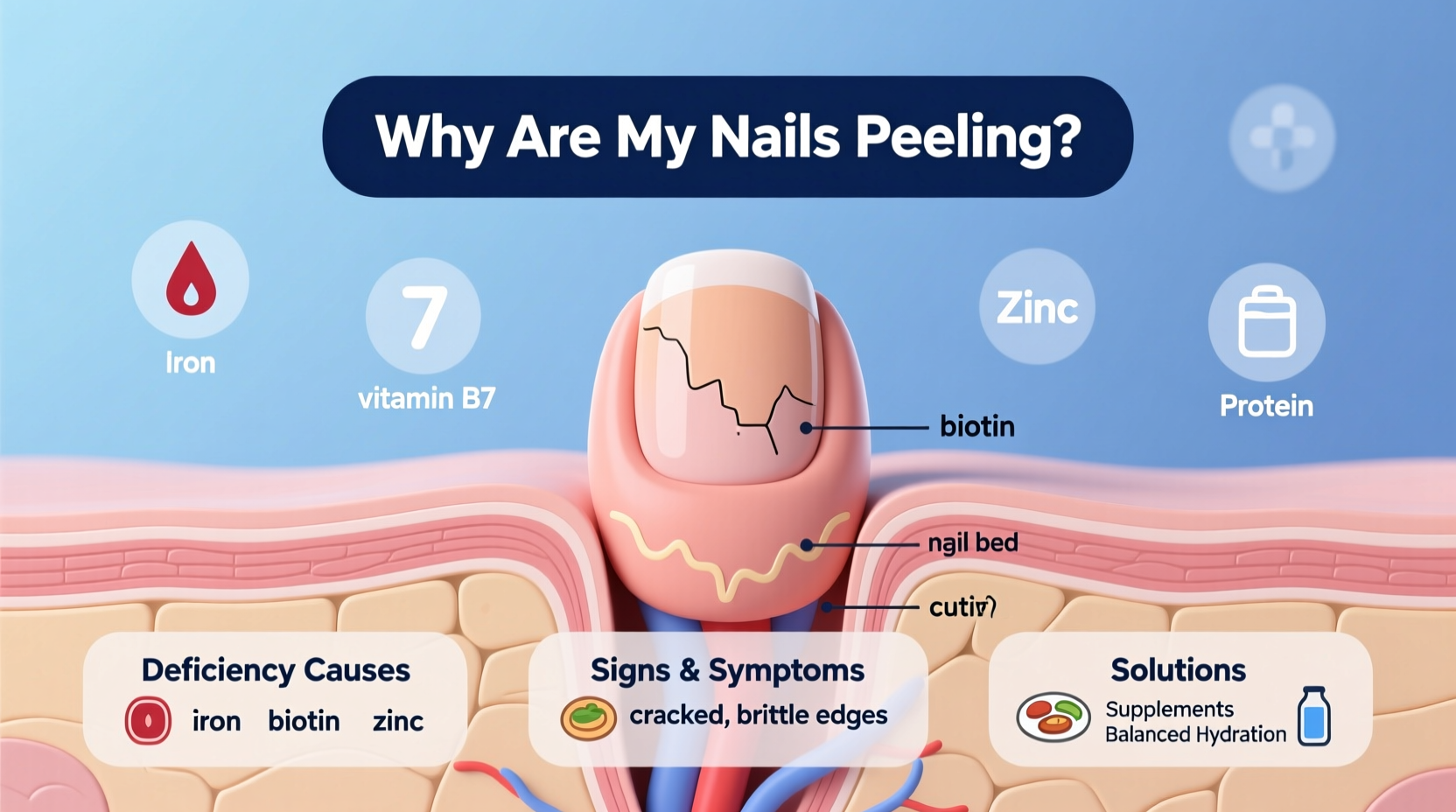
The foundation of strong nails lies in consistent nutrient intake. Several key vitamins and minerals play direct roles in keratin synthesis, moisture retention, and cellular repair. When these are lacking, nails become brittle, thin, and prone to peeling.
- Biotin (Vitamin B7): Perhaps the most well-known nutrient for nail health, biotin supports keratin infrastructure. Studies show that supplementing with 2.5 mg of biotin daily improves nail thickness and reduces splitting in up to 63% of participants after six months.
- Iron: Iron deficiency, especially when progressing to anemia, frequently manifests as koilonychia—spoon-shaped, brittle nails. Even marginal deficiency can impair oxygen delivery to nail beds, weakening growth.
- Zinc: Essential for cell division and protein synthesis, zinc deficiency leads to white spots, slow growth, and fragile nails. It also affects immune response, increasing susceptibility to fungal infections that compromise nail structure.
- Vitamin C: Critical for collagen formation, vitamin C strengthens the matrix beneath the nail plate. Low levels result in dry, layered separation and increased fragility.
- Omega-3 Fatty Acids: These fats maintain moisture in both skin and nails. Insufficient intake contributes to dryness and horizontal peeling, particularly at the free edge.
- Magnesium: Involved in over 300 enzymatic reactions, magnesium helps regulate calcium transport and protein synthesis—all vital for nail resilience.
“Nail changes are often the first visible sign of internal imbalance. A patient complaining of peeling nails should prompt a review of their dietary habits and micronutrient status.” — Dr. Lena Patel, Dermatologist & Clinical Nutrition Specialist
Environmental and Behavioral Triggers
Nutrition is only one piece of the puzzle. External factors can strip nails of natural oils and disrupt their layered structure, leading to peeling even in otherwise healthy individuals.
Frequent hand washing, prolonged exposure to water, and use of harsh soaps dissolve the lipid barrier between nail layers. This causes swelling and contraction as nails dry, creating micro-separations that evolve into peeling. Similarly, acetone-based nail polish removers dehydrate the nail plate, making it brittle over time.
Manual labor, typing, or using nails as tools create mechanical stress. Repeated tapping or prying motions lift the top layers, accelerating delamination. Wearing artificial nails or gels can worsen the issue by trapping moisture underneath, softening the natural nail and promoting layer separation.
Common Culprits of Nail Damage
| Factor | How It Harms Nails | Prevention Strategy |
|---|---|---|
| Water immersion >1 hour/day | Causes swelling and weakening of nail layers | Wear gloves during dishwashing or cleaning |
| Acetone removers | Strips natural oils, increases brittleness | Use acetone-free alternatives |
| Cold, dry air | Dehydrates nails and cuticles | Apply moisturizer frequently; use humidifier |
| Artificial nails | Traps moisture, thins natural nail | Limits use; allow recovery periods |
| Nail biting/picking | Physically damages nail bed and layers | Use bitter polish; manage stress triggers |
Step-by-Step Guide to Repair Peeling Nails
Reversing nail peeling requires consistency and a multi-pronged approach. Follow this 8-week timeline to rebuild strength and prevent recurrence.
- Week 1–2: Eliminate Aggravators
Stop using acetone-based removers. Begin wearing cotton-lined rubber gloves for wet chores. Trim nails short and file edges gently with a fine-grit file (180+ grit) in one direction only. - Week 3–4: Boost Hydration & Protection
Apply a urea- or lactic acid-based cuticle cream twice daily. Massage into nail folds and undersides. Use a base coat with calcium or hydroxyapatite to reinforce the nail surface. - Week 5–6: Optimize Diet
Incorporate biotin-rich foods: eggs (with yolk), almonds, sweet potatoes, and salmon. Add a daily serving of leafy greens for iron and folate. Include fatty fish or flaxseeds for omega-3s. - Week 7–8: Evaluate Supplementation
If no improvement, consider a targeted supplement. A typical regimen includes 5,000 mcg biotin, 15 mg zinc picolinate, and 65 mg iron (only if blood-tested deficient). Consult a healthcare provider before starting iron.
Real-Life Example: Recovery from Chronic Peeling
Sarah, a 34-year-old nurse, struggled with peeling nails for years. Her job required frequent handwashing—up to 30 times per shift—and she used alcohol-based sanitizers constantly. Despite trying various nail hardeners, her nails would split just past the fingertip, often catching on clothing or tearing painfully.
After consulting a dermatologist, Sarah learned that repeated wet-dry cycles were compromising her nail integrity. Blood tests revealed low ferritin (iron stores) at 18 ng/mL (normal >30). She began taking a low-dose iron supplement, applied a lanolin-based nail treatment nightly, and wore nitrile gloves under cotton liners during shifts.
Within ten weeks, her nails grew out stronger and smoother. The peeling stopped, and she noticed less breakage. “I didn’t realize how much my job was affecting my nails,” she said. “Fixing the iron deficiency helped, but changing my hand protection made the biggest difference.”
Do’s and Don’ts for Healthy Nails
Avoid common pitfalls by following these evidence-based guidelines.
| Do | Don't |
|---|---|
| Moisturize nails and cuticles daily | Peel off nail polish |
| Use a ridge filler instead of aggressive buffing | Buff nails more than once every 2 weeks |
| Eat protein-rich meals (nails are made of keratin) | Soak hands in hot water for long periods |
| Take breaks from gel manicures (every 2–3 months) | Use nails to open packages or scrape surfaces |
| Check expiration dates on nail products | Share nail tools without sanitizing |
When to See a Doctor
While most cases of peeling nails respond to lifestyle adjustments, some signs warrant medical evaluation:
- Peeling accompanied by discoloration (yellow, green, brown)
- Pain, swelling, or pus around the nail fold
- Thickened, crumbling nails suggesting fungal infection
- Nail lifting from the bed (onycholysis)
- Systemic symptoms like fatigue, hair loss, or cold intolerance
These may indicate thyroid disorders, psoriasis, lichen planus, or systemic infections. A simple blood panel can check for deficiencies in iron, zinc, vitamin B12, and thyroid function. Early diagnosis prevents complications and guides appropriate treatment.
FAQ
Can dehydration cause peeling nails?
Yes. Chronic mild dehydration affects all epithelial tissues, including nails. When the body is under-hydrated, keratinocytes produce a drier, more fragile nail plate. Aim for at least 2 liters of water daily, adjusting for activity level and climate.
Is it safe to take biotin supplements long-term?
Biotin is generally safe at doses up to 10,000 mcg/day. However, high levels can interfere with certain lab tests, including cardiac troponin and thyroid hormone assays, leading to false results. Always inform your doctor if you're taking biotin.
How long does it take for nails to recover?
Fingernails grow about 3 mm per month. Since they emerge from the matrix at the base, it takes 6–9 months for a fully renewed nail to grow out. Consistent care over this period is essential for visible improvement.
Your Action Checklist
Start improving your nail health today with this concise checklist:
- ✔ Wear gloves during household cleaning and dishwashing
- ✔ Switch to acetone-free nail polish remover
- ✔ Apply cuticle oil or hand cream twice daily
- ✔ Eat three servings of protein-rich food daily (eggs, fish, legumes)
- ✔ Add biotin-rich foods: eggs, nuts, whole grains
- ✔ Get blood work to check iron, zinc, and B12 if peeling persists
- ✔ Avoid peeling or biting nails; trim instead
- ✔ Limit gel manicures to every 6–8 weeks with a 2-week break
Conclusion
Peeling nails are rarely random—they’re a message from your body asking for better nourishment and protection. Whether the cause is a silent iron deficiency, relentless hand washing, or a lack of essential fats, the solution lies in mindful daily habits and informed choices. You don’t need perfect nails overnight; you need sustainable practices that support long-term strength. Start with one change today—swap your nail remover, add a handful of almonds to your breakfast, or simply wear gloves while cleaning. Small steps compound into lasting results. Your nails are part of your health story. Make sure they’re telling one of care, balance, and resilience.




 浙公网安备
33010002000092号
浙公网安备
33010002000092号 浙B2-20120091-4
Comments
No comments yet. Why don't you start the discussion?