
Sudden nail peeling can be both puzzling and frustrating. One day your nails look strong and smooth; the next, layers begin flaking away like old paint. While occasional splitting or chipping is normal, persistent peeling—especially in layers—is often a sign of an underlying issue. The good news is that most causes are manageable with simple lifestyle adjustments and targeted care.
Nails are made of keratin, a tough protein also found in hair and skin. Their condition reflects not only how you treat them externally but also your overall health. Peeling doesn’t always mean poor hygiene—it could point to nutritional deficiencies, environmental exposure, or even internal imbalances. Understanding the root cause is essential for effective treatment and long-term prevention.
Common Causes of Sudden Nail Peeling
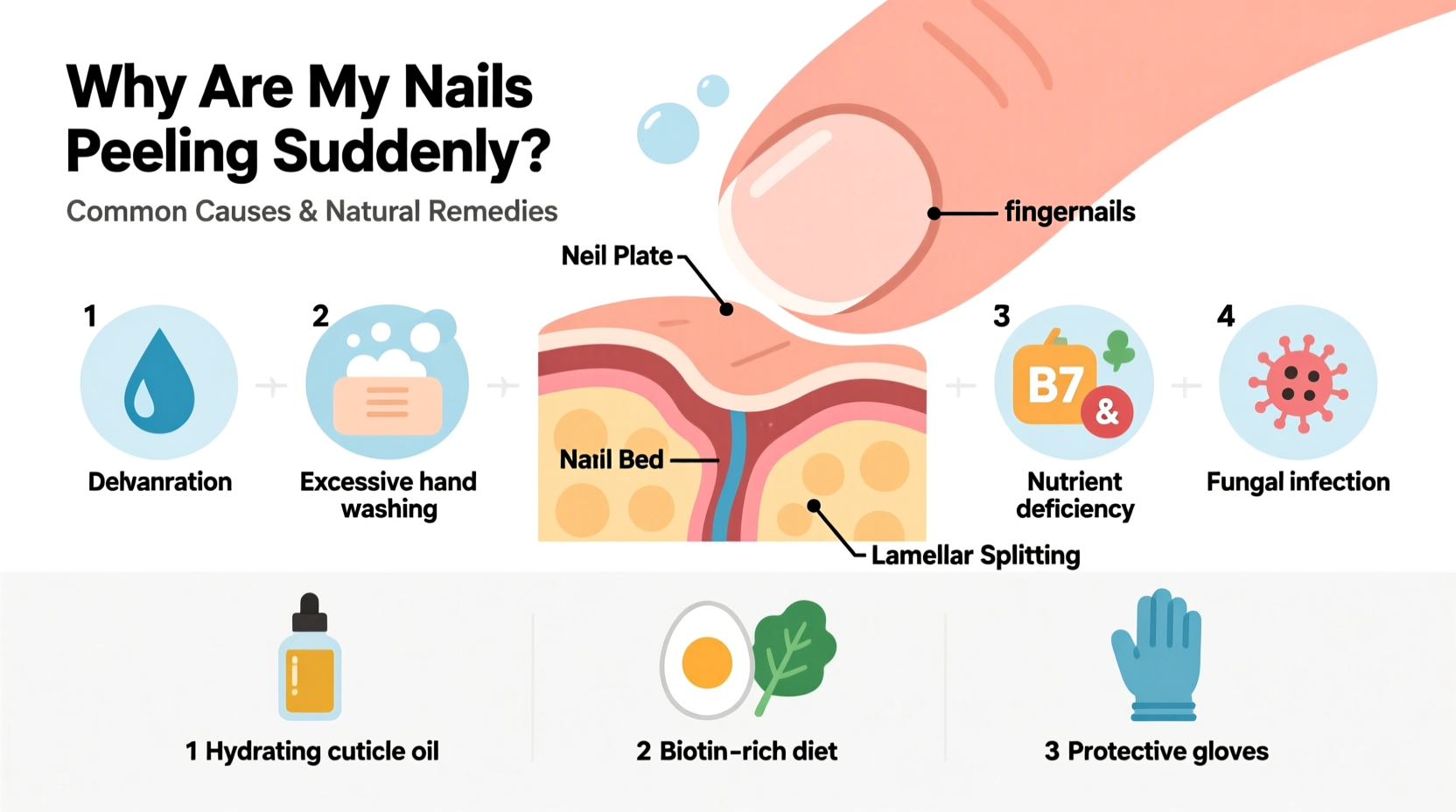
Nail peeling rarely happens without reason. Identifying the trigger is the first step toward recovery. Below are some of the most frequent culprits behind sudden nail deterioration.
Dryness and Dehydration
The most common cause of peeling nails is lack of moisture. Nails absorb water from the environment and lose it just as easily. Frequent hand washing, exposure to harsh soaps, and low humidity—especially in winter—can strip natural oils, leaving nails brittle and prone to layering.
Overexposure to Water and Chemicals
Spending long periods with wet hands—such as during dishwashing, cleaning, or swimming—softens the nail plate. When softened nails dry repeatedly, they expand and contract, leading to delamination (separation of layers). Similarly, household cleaners, detergents, and nail polish removers containing acetone weaken the nail structure over time.
Nutritional Deficiencies
Your nails need specific nutrients to stay strong. Deficiencies in key vitamins and minerals can manifest quickly in nail changes. Common deficiencies linked to peeling include:
- Biotin (Vitamin B7): Critical for keratin production. Low levels lead to thin, splitting nails.
- Iron: Iron-deficiency anemia often presents with spoon-shaped or brittle nails.
- Zinc: Supports cell growth and repair. Deficiency may delay nail healing.
- Vitamin C and Protein: Essential for collagen formation and structural integrity.
“Nail changes are often one of the earliest visible signs of nutritional imbalance.” — Dr. Lena Patel, Dermatologist and Nutritional Skin Specialist
Frequent Use of Nail Polish and Artificial Enhancements
Regular use of gel manicures, acrylics, or harsh removers can damage the nail matrix. Gel polish removal, in particular, involves soaking and scraping, which strips the top layers. Even traditional nail polish, when left on too long, can trap moisture and cause brittleness.
Underlying Health Conditions
In some cases, peeling nails signal a deeper medical concern. Conditions such as hypothyroidism, psoriasis, lichen planus, or fungal infections often affect nail texture and resilience. If peeling is accompanied by discoloration, thickening, pain, or skin rashes, consult a healthcare provider.
Home Remedies to Strengthen and Repair Peeling Nails
Before turning to supplements or medical treatments, try these evidence-backed home remedies. Most are inexpensive, easy to implement, and gentle on the body.
1. Moisturize Daily with Natural Oils
Regular hydration is vital. Use oils rich in fatty acids to nourish both the nail plate and cuticle. Effective options include:
- Jojoba oil – closely mimics natural sebum
- Coconut oil – antimicrobial and deeply penetrating
- Almond oil – high in vitamin E and oleic acid
Apply a few drops nightly and massage gently into each nail and cuticle. Wear cotton gloves overnight to enhance absorption.
2. Soak in Olive Oil and Lemon Juice
A weekly soak can improve flexibility and appearance. Mix ¼ cup warm olive oil with one tablespoon lemon juice. Soak nails for 15–20 minutes. The oil conditions, while lemon’s citric acid helps remove surface debris and brightens discolored nails. Rinse and moisturize afterward.
3. Take Biotin Supplements
Studies show biotin supplementation improves nail thickness and reduces splitting in up to 70% of users. A typical dose is 2.5 mg (2500 mcg) daily. Results usually appear within 6–8 weeks. Consult your doctor before starting any supplement, especially if pregnant or managing other conditions.
4. Use a Gentle Nail Hardener
Not all nail hardeners are created equal. Avoid formaldehyde-based products, which can make nails more brittle over time. Instead, opt for formulations with calcium, hydrolyzed wheat protein, or dimethyl sulfone (MSM), which support structure without overdrying.
5. Protect Nails During Chores
Wear cotton-lined rubber gloves when washing dishes, cleaning, or gardening. This prevents prolonged water exposure and shields nails from harsh chemicals. Change gloves regularly to avoid damp buildup, which fosters fungal growth.
Do’s and Don’ts: Nail Care Best Practices
| Do | Don’t |
|---|---|
| Keep nails trimmed short to reduce leverage and peeling | Bite or pick at your nails and cuticles |
| Use a glass or crystal nail file (gentler than emery boards) | Use metal files or saw back and forth aggressively |
| Hydrate from within—drink plenty of water daily | Skip meals or follow extremely restrictive diets |
| Eat protein-rich foods like eggs, fish, and legumes | Soak nails in acetone for extended periods |
| Give your nails a break from polish every few weeks | Scrape off gel polish instead of proper soaking |
Real-Life Example: Recovering From Chronic Nail Peeling
Sarah, a 34-year-old teacher from Portland, noticed her nails began peeling heavily after switching to a new school where she washed her hands over a dozen times a day. Within weeks, her nails split in layers, and even simple tasks like opening jars caused pain.
She tried store-bought nail strengtheners with no improvement. After consulting a dermatologist, she learned her routine was dehydrating her nails. Her doctor recommended wearing gloves during handwashing when possible, using a fragrance-free moisturizer, and taking biotin.
Sarah started applying almond oil nightly and switched to a soap-free hand cleanser. She also added eggs, spinach, and lentils to her diet. Within two months, her nails grew out stronger, with no further peeling. “I didn’t realize how much my habits were affecting something as small as my nails,” she said. “Now I treat them like part of my overall health routine.”
Step-by-Step Guide to Restoring Nail Health
If your nails are peeling suddenly, follow this 6-week action plan to promote healing and prevent recurrence:
- Week 1: Assess and Adjust
Remove all nail polish and enhancements. Examine your daily routine—how often do you wash hands? Use chemicals? Identify major stressors. - Week 2: Begin Hydration Routine
Start applying a natural oil (jojoba or coconut) twice daily. Focus on cuticles and nail beds. Wear gloves during wet chores. - Week 3: Improve Nutrition
Add biotin-rich foods (eggs, nuts, sweet potatoes) and consider a supplement after consulting your doctor. Increase water intake to at least 8 glasses a day. - Week 4: Introduce Weekly Soaks
Soak nails in warm olive oil and lemon mix for 15 minutes once a week. Gently buff with a soft buffer if ridges appear. - Week 5: Monitor Progress
Take photos of your nails. Look for reduced peeling, smoother texture, and stronger tips. - Week 6: Maintain and Prevent
Continue moisturizing and protective habits. Reintroduce nail polish sparingly, using non-acetone remover and allowing breaks between applications.
Frequently Asked Questions
Can dehydration cause peeling nails?
Yes. Just like skin, nails require adequate hydration. Chronic dehydration or dry environments can cause nails to lose flexibility and peel. Drinking enough water and using topical oils help maintain moisture balance.
How long does it take for peeling nails to heal?
Nails grow slowly—about 3 mm per month. It typically takes 3 to 6 months for a completely damaged nail to grow out and be replaced. Consistent care during this time is crucial for healthy regrowth.
Is it safe to use nail hardeners every day?
Only if they’re non-toxic and free of formaldehyde. Many hardeners contain ingredients that dry out nails over time. Use them sparingly and alternate with moisturizing treatments. Better yet, focus on strengthening from within through diet and hydration.
Final Thoughts: Treat Your Nails Like a Health Indicator
Peeling nails are more than a cosmetic annoyance—they’re a signal. Whether it’s your environment, diet, or daily habits, your nails respond quickly to changes in your body and lifestyle. Rather than masking the problem with polish or gels, address the root cause with patience and care.
Small, consistent actions—like moisturizing daily, protecting hands during chores, and eating a balanced diet—can transform weak, peeling nails into strong, resilient ones. And if symptoms persist despite your efforts, don’t hesitate to seek medical advice. Sometimes, the solution lies beneath the surface.




 浙公网安备
33010002000092号
浙公网安备
33010002000092号 浙B2-20120091-4
Comments
No comments yet. Why don't you start the discussion?