
Sudden nail peeling can be both puzzling and frustrating, especially when your nails were once strong and smooth. While external factors like excessive water exposure, harsh chemicals, or overuse of nail products may contribute, one often-overlooked cause lies beneath the surface—nutritional deficiencies. The health of your nails is a direct reflection of your internal well-being. When your body lacks essential vitamins and minerals, it shows in subtle but telling ways, including brittle, splitting, or peeling nails.
Nails are made primarily of keratin, a tough protein that requires specific nutrients to form properly. A deficiency in any of these building blocks can compromise nail integrity. Unlike temporary cosmetic concerns, persistent peeling may signal deeper imbalances that require dietary or lifestyle adjustments. Addressing these deficiencies not only improves nail strength but also supports overall health.
The Link Between Nutrition and Nail Health
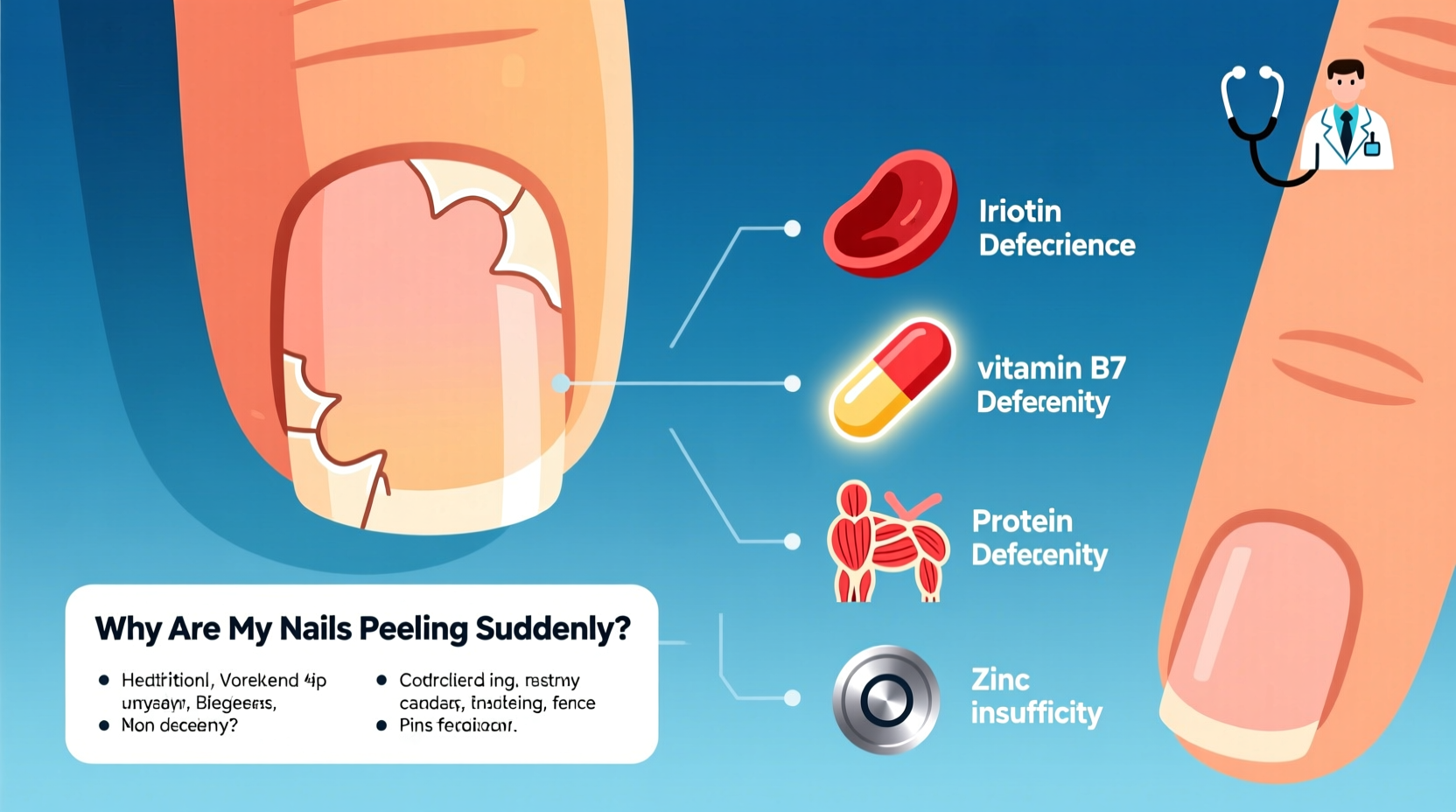
Your nails grow from the matrix under the cuticle, where new cells form and harden into keratinized layers. This process relies on a steady supply of nutrients delivered through the bloodstream. When nutrient intake is inadequate, nail growth slows, texture changes, and structural weaknesses emerge—leading to peeling, ridges, or brittleness.
Unlike skin or hair, nails do not regenerate quickly. Changes in diet or supplementation may take weeks or even months to manifest visibly in the nails. This delayed response means early signs like peeling should not be ignored. They serve as long-term indicators of your body’s internal status.
While genetics and age play roles in nail resilience, nutrition remains one of the most modifiable and impactful factors. Correcting deficiencies often leads to noticeable improvements within 6–12 weeks, depending on the severity and consistency of intervention.
Key Nutritional Deficiencies That Cause Peeling Nails
Several micronutrients are directly involved in maintaining strong, healthy nails. A shortfall in any of these can result in sudden or progressive peeling.
1. Biotin (Vitamin B7)
Biotin is perhaps the most well-known nutrient for nail health. It plays a crucial role in keratin production and has been shown in clinical studies to improve nail thickness and reduce splitting. Low biotin levels—though rare—are associated with brittle nails, thinning, and increased fragility.
2. Iron
Iron deficiency, particularly when progressing to anemia, commonly presents with koilonychia—spoon-shaped, thin, and easily peeling nails. Iron is essential for oxygen transport in red blood cells, and low levels impair tissue repair and cell regeneration, including in the nail bed.
Women of reproductive age are especially vulnerable due to menstrual blood loss. Fatigue, pale skin, and cold hands often accompany nail changes in iron-deficient individuals.
3. Protein
Keratin is a protein, so insufficient dietary protein directly affects nail structure. Diets low in animal or plant-based proteins can lead to soft, thin, peeling nails. Vegetarians and those on restrictive diets should pay close attention to protein quality and intake.
4. Zinc
Zinc supports cell division and protein synthesis, both vital for nail growth. Deficiency may result in white spots, slow growth, and increased peeling. It’s also linked to weakened immune function, which can indirectly affect skin and nail health.
5. Vitamin C
Vitamin C is necessary for collagen formation—a structural protein that supports nail bed integrity. Without enough vitamin C, connective tissues weaken, making nails more prone to splitting and peeling. Smokers and those with limited fruit and vegetable intake are at higher risk.
6. Omega-3 Fatty Acids
These healthy fats help maintain moisture in the skin and nail beds. A lack of omega-3s can lead to dryness, flaking, and horizontal peeling, especially at the tips. Cold-water fish, flaxseeds, and walnuts are excellent sources.
7. Magnesium and Calcium
While calcium gets attention for bone health, magnesium regulates its absorption and utilization. Imbalances between the two can affect nail hardness. Magnesium deficiency may also cause vertical ridges and increased peeling along the edges.
“Nail changes are often the first visible sign of a systemic deficiency. I routinely check iron, zinc, and B vitamins in patients presenting with unexplained nail deterioration.” — Dr. Lena Torres, Board-Certified Dermatologist
Foods That Support Strong, Resilient Nails
Dietary correction is often more effective and sustainable than supplementation alone. Incorporating nutrient-dense foods can simultaneously support nails, hair, skin, and energy levels.
| Nutrient | Food Sources | Recommended Daily Intake (Adults) |
|---|---|---|
| Biotin | Eggs (yolk), nuts, seeds, sweet potatoes, salmon | 30 mcg |
| Iron | Red meat, spinach, lentils, tofu, fortified cereals | 18 mg (women), 8 mg (men) |
| Protein | Chicken, Greek yogurt, beans, quinoa, eggs | 0.8 g/kg body weight |
| Zinc | Oysters, beef, pumpkin seeds, chickpeas | 11 mg (men), 8 mg (women) |
| Vitamin C | Oranges, bell peppers, broccoli, strawberries | 90 mg (men), 75 mg (women) |
| Omega-3s | Fatty fish (salmon, mackerel), chia seeds, walnuts | 1.1–1.6 g (AI) |
| Magnesium | Spinach, almonds, avocado, dark chocolate | 400–420 mg (men), 310–320 mg (women) |
Aim for variety and color on your plate. Meals rich in leafy greens, lean proteins, whole grains, and healthy fats create the foundation for resilient nails. Pairing iron-rich plant foods with vitamin C (like spinach salad with lemon dressing) enhances absorption.
Step-by-Step Guide to Addressing Nail Peeling Through Nutrition
If you’ve noticed sudden peeling and suspect a nutritional cause, follow this structured approach to identify and correct potential deficiencies.
- Assess Your Diet: Keep a 3-day food journal noting all meals and snacks. Look for patterns—low protein, minimal vegetables, or reliance on processed foods may indicate gaps.
- Rule Out External Causes: Eliminate frequent hand-washing without moisturizing, use of acetone-based removers, or wearing artificial nails. These can mimic deficiency symptoms.
- Consult a Healthcare Provider: Request blood tests for iron (ferritin), vitamin B12, zinc, and vitamin D. Biotin testing is less common but can be inferred from clinical signs and diet.
- Incorporate Targeted Foods: Based on test results or suspected deficiencies, adjust your diet. For example, add lentils and red meat if iron is low; include eggs and almonds for biotin and magnesium.
- Consider Supplements (If Needed): If dietary changes aren’t sufficient, short-term supplementation under medical guidance can help. Biotin (2.5–5 mg/day) is commonly used for nail support.
- Monitor Progress: Take monthly photos of your nails. Improvement typically begins at the cuticle and moves outward as new growth appears stronger.
Mini Case Study: Recovering Nail Strength After Deficiency
Sarah, a 32-year-old graphic designer, began noticing her nails peeling vertically after a period of intense work stress and irregular eating. She relied heavily on coffee, salads, and frozen meals, skipping protein and healthy fats. Over three months, her nails became increasingly fragile, often splitting before reaching a usable length.
After visiting her primary care physician, blood work revealed low ferritin (iron stores) and borderline zinc levels. Sarah was not anemic but was in the early stages of deficiency. Her doctor recommended increasing red meat and pumpkin seeds in her diet, taking a gentle iron supplement, and adding a multivitamin with zinc.
She also started cooking balanced meals with eggs, lentils, and fatty fish twice a week. Within eight weeks, peeling reduced significantly. By 12 weeks, her nails were smoother, thicker, and grew longer without breaking. Sarah continues to prioritize nutrient-rich meals and checks her iron levels annually.
Checklist: Action Steps for Healthier Nails
- ✅ Track your current diet for 3 days to identify nutrient gaps
- ✅ Reduce exposure to water, detergents, and nail polish removers
- ✅ Schedule a blood test for iron, zinc, B12, and vitamin D
- ✅ Add at least one biotin-rich food (e.g., eggs, almonds) daily
- ✅ Include a source of protein in every meal
- ✅ Eat vitamin C-rich foods with iron-containing meals
- ✅ Use a nourishing hand cream daily, especially after washing
- ✅ Reassess nail condition every 4–6 weeks
Frequently Asked Questions
Can dehydration cause peeling nails?
Yes, chronic dehydration can lead to dry, brittle nails that peel at the tips. While hydration alone won’t fix underlying deficiencies, drinking adequate water supports overall tissue health. Aim for 6–8 glasses daily, more if active or in hot climates.
How long does it take for nails to improve after fixing a deficiency?
Nails grow slowly—about 3 mm per month. You may start seeing healthier growth at the cuticle in 4–6 weeks, but full improvement can take 3–6 months, depending on the severity and consistency of correction.
Are gel manicures safe if my nails are peeling?
Gel manicures and removal processes often involve prolonged soaking and filing, which can worsen peeling. If your nails are already compromised, it’s best to avoid gels until they strengthen. Opt for breathable polishes and protective base coats instead.
Conclusion: Take Charge of Your Nail Health
Sudden nail peeling is more than a cosmetic annoyance—it can be a meaningful signal from your body. Rather than masking the issue with coatings or concealers, addressing the root cause through nutrition offers lasting results. By evaluating your diet, seeking appropriate testing, and making informed choices, you can restore strength and resilience to your nails.
Remember, small, consistent changes yield the best outcomes. Whether it’s adding a handful of spinach to your lunch or swapping sugary snacks for almonds, each choice contributes to healthier nails and a stronger system overall.




 浙公网安备
33010002000092号
浙公网安备
33010002000092号 浙B2-20120091-4
Comments
No comments yet. Why don't you start the discussion?