
Nails that appear unusually clear or see-through can be unsettling, especially if the change is sudden or accompanied by other symptoms. While some degree of translucency is normal—particularly at the base of the nail—excessive transparency may signal underlying health issues, nutritional deficiencies, or environmental stressors. Understanding the root causes and knowing how to respond empowers you to take proactive steps toward healthier nails and overall well-being.
Understanding Nail Anatomy and Normal Translucency
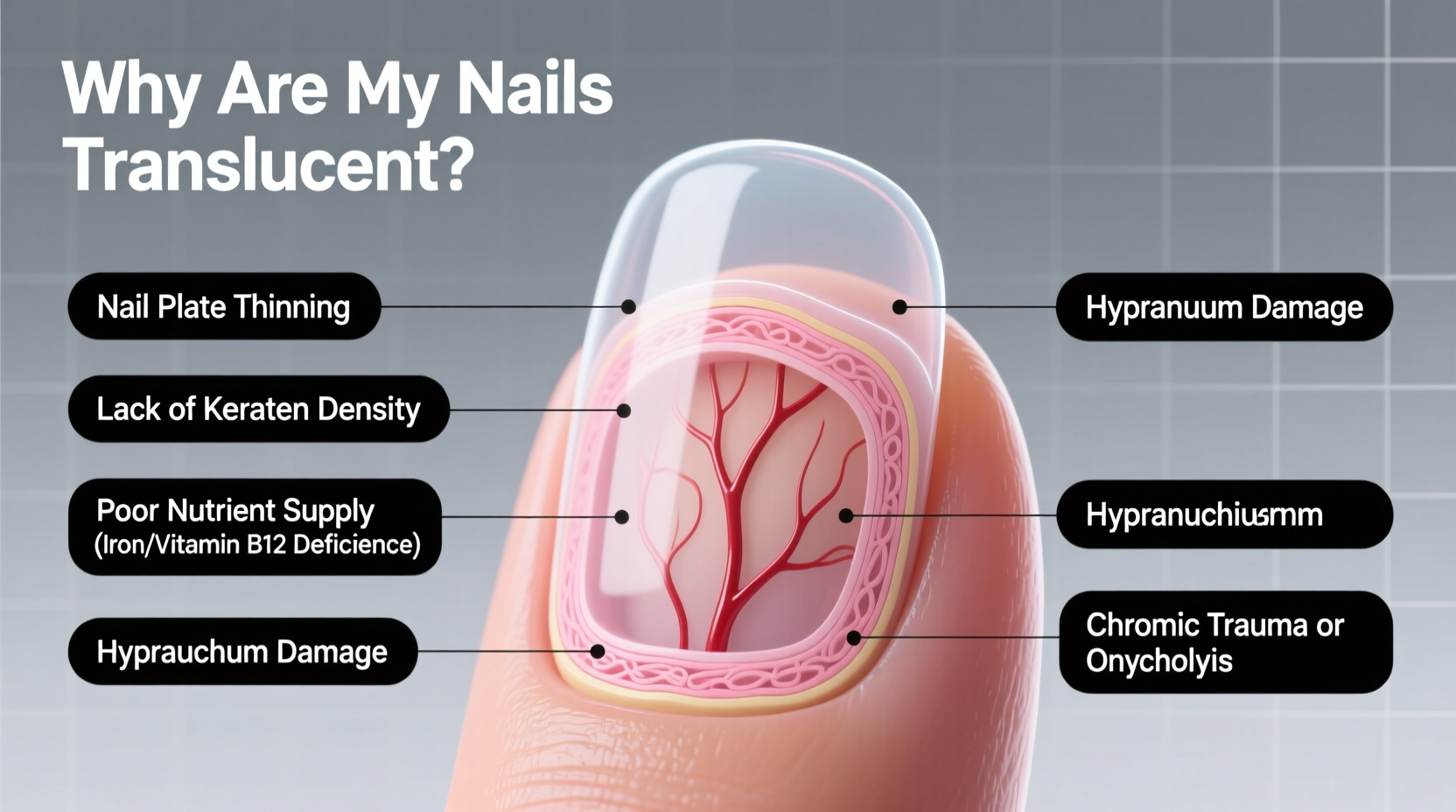
The human nail is composed of layers of keratin, a tough protein also found in hair and skin. The visible part—the nail plate—is naturally semi-translucent, allowing the pinkish hue of the underlying nail bed to show through. At the base of the nail, a white crescent called the lunula is often visible, while the rest of the nail typically appears opaque due to light reflection and pigment distribution.
Some natural translucency, especially near the cuticle or along the sides, is not a cause for concern. However, when the entire nail becomes glassy, thin, or paper-like, it may indicate an imbalance or condition requiring attention.
“Nail changes are often early indicators of systemic health issues. A consistently translucent nail without the usual milky tone can reflect nutritional gaps or chronic dehydration.” — Dr. Lena Torres, Dermatologist and Nail Health Specialist
Common Causes of Translucent Nails
Several factors contribute to nails becoming overly transparent. These range from lifestyle habits to medical conditions:
- Nutritional Deficiencies: Lack of key nutrients like protein, iron, biotin, zinc, and essential fatty acids weakens the nail structure, making it thinner and more translucent.
- Dehydration: Both internal (body-wide) and external (from frequent handwashing or exposure to drying agents) dehydration can strip moisture from the nail plate, increasing transparency.
- Anemia: Iron-deficiency anemia reduces blood flow to the nail bed, diminishing its natural pink color and making the nail appear pale or see-through.
- Hypothyroidism: Underactive thyroid function slows cell turnover, leading to brittle, thin, and translucent nails.
- Fungal Infections: Early-stage fungal infections may alter nail texture and transparency before causing discoloration or thickening.
- Overuse of Nail Products: Frequent use of acetone-based removers, gels, or acrylics damages the nail matrix and strips protective oils.
- Aging: As we age, nails naturally become thinner and more fragile, which can increase translucency.
What You Can Do: Practical Steps to Restore Nail Health
Addressing translucent nails involves both external care and internal support. Here’s a step-by-step guide to help rebuild nail strength and reduce excessive transparency.
Step 1: Evaluate Your Diet
Nails require consistent nourishment. Prioritize foods rich in:
- Protein (eggs, fish, legumes)
- Iron (spinach, red meat, lentils)
- Biotin (nuts, sweet potatoes, eggs)
- Omega-3 fatty acids (salmon, chia seeds, flaxseed)
- Vitamin C (citrus fruits, bell peppers) to aid collagen production
Step 2: Stay Hydrated
Drink at least 8 glasses of water daily. Dehydrated bodies produce dry, thin nails. Use a humidifier in dry environments, especially during winter months.
Step 3: Limit Exposure to Harsh Chemicals
Wear gloves when cleaning, gardening, or using solvents. Choose acetone-free nail polish removers and avoid prolonged water immersion.
Step 4: Moisturize Regularly
Apply a nourishing cuticle oil or hand cream containing jojoba oil, vitamin E, or shea butter twice daily. Massage into the nail bed to stimulate circulation.
Step 5: Consider Supplements
If dietary intake is insufficient, a high-quality biotin supplement (typically 2.5–5 mg daily) may improve nail thickness over 6–8 weeks. Consult your doctor before starting any new supplement, especially if you have existing health conditions.
Nail Care Checklist
Use this actionable checklist to maintain strong, healthy nails:
- ✔ Eat a balanced diet with adequate protein and micronutrients
- ✔ Drink plenty of water throughout the day
- ✔ Wear gloves during household chores
- ✔ Apply cuticle oil daily
- ✔ Avoid peeling or biting nails
- ✔ Limit gel manicures and acrylics to once every 6–8 weeks
- ✔ File nails gently in one direction (avoid sawing back and forth)
- ✔ Monitor for additional symptoms like fatigue, hair loss, or cold intolerance
When to See a Doctor
Translucent nails aren’t always dangerous, but they can be a warning sign. Seek medical evaluation if you notice:
- Nails that are soft, easily bend, or break frequently
- Pale nail beds even after warming your hands
- Concurrent symptoms like dizziness, fatigue, or shortness of breath
- Changes in nail shape, such as spooning (koilonychia), which suggests iron deficiency
- Gradual thinning across multiple nails without obvious cause
A simple blood test can check for anemia, thyroid dysfunction, or nutrient deficiencies. Early diagnosis leads to faster recovery and prevents complications.
Real-Life Example: Sarah’s Experience
Sarah, a 34-year-old teacher, noticed her nails had become increasingly see-through over six months. They felt brittle and split at the tips. She initially attributed it to frequent handwashing but grew concerned when her energy levels dropped and her skin turned dry.
After visiting her primary care physician, blood work revealed iron-deficiency anemia and low biotin levels. With iron supplementation, dietary adjustments (including more leafy greens and lean meats), and daily biotin, her nails regained opacity within three months. Her energy improved significantly, highlighting how nail health can mirror internal balance.
Do’s and Don’ts: Nail Health Comparison Table
| Do’s | Don’ts |
|---|---|
| Moisturize nails and cuticles daily | Use acetone-based removers frequently |
| Eat protein-rich meals regularly | Skip meals or follow extreme diets |
| Wear gloves when cleaning or swimming | Leave hands exposed to harsh chemicals |
| File nails with a fine-grit file | Use metal tools to push back cuticles aggressively |
| Monitor nail changes over time | Ignore persistent nail abnormalities |
FAQ
Are translucent nails always a sign of a health problem?
No. Mild translucency, especially at the base of the nail, is normal. However, widespread transparency combined with brittleness, discoloration, or other symptoms may indicate an underlying issue.
How long does it take for nails to recover after improving diet or hydration?
Nails grow slowly—about 3 mm per month. Most people begin to see improvements in texture and appearance within 6 to 8 weeks, but full recovery may take 3 to 6 months depending on severity.
Can thyroid problems really affect nail appearance?
Yes. Hypothyroidism slows metabolism and cell regeneration, leading to thin, brittle, and translucent nails. Other signs include dry skin, weight gain, and fatigue. A thyroid panel can confirm diagnosis.
Conclusion: Take Action for Stronger, Healthier Nails
Translucent nails are more than a cosmetic concern—they’re a potential signal from your body. Whether the cause is nutritional, hormonal, or environmental, the good news is that most cases are reversible with consistent care. Start by evaluating your diet, hydration, and nail routines. When in doubt, consult a healthcare provider to rule out systemic conditions.




 浙公网安备
33010002000092号
浙公网安备
33010002000092号 浙B2-20120091-4
Comments
No comments yet. Why don't you start the discussion?