
White nose hairs often come as a surprise, especially when they appear earlier than expected. While most associate gray or white hair with aging on the scalp, fewer expect the same change in less visible areas like the nose. Yet, this phenomenon is more common—and more natural—than many realize. Understanding why nose hairs turn white involves exploring biology, genetics, and lifestyle factors. More importantly, knowing what to do—or not do—about it can help maintain nasal health and personal comfort without unnecessary concern.
The Science Behind Hair Pigmentation
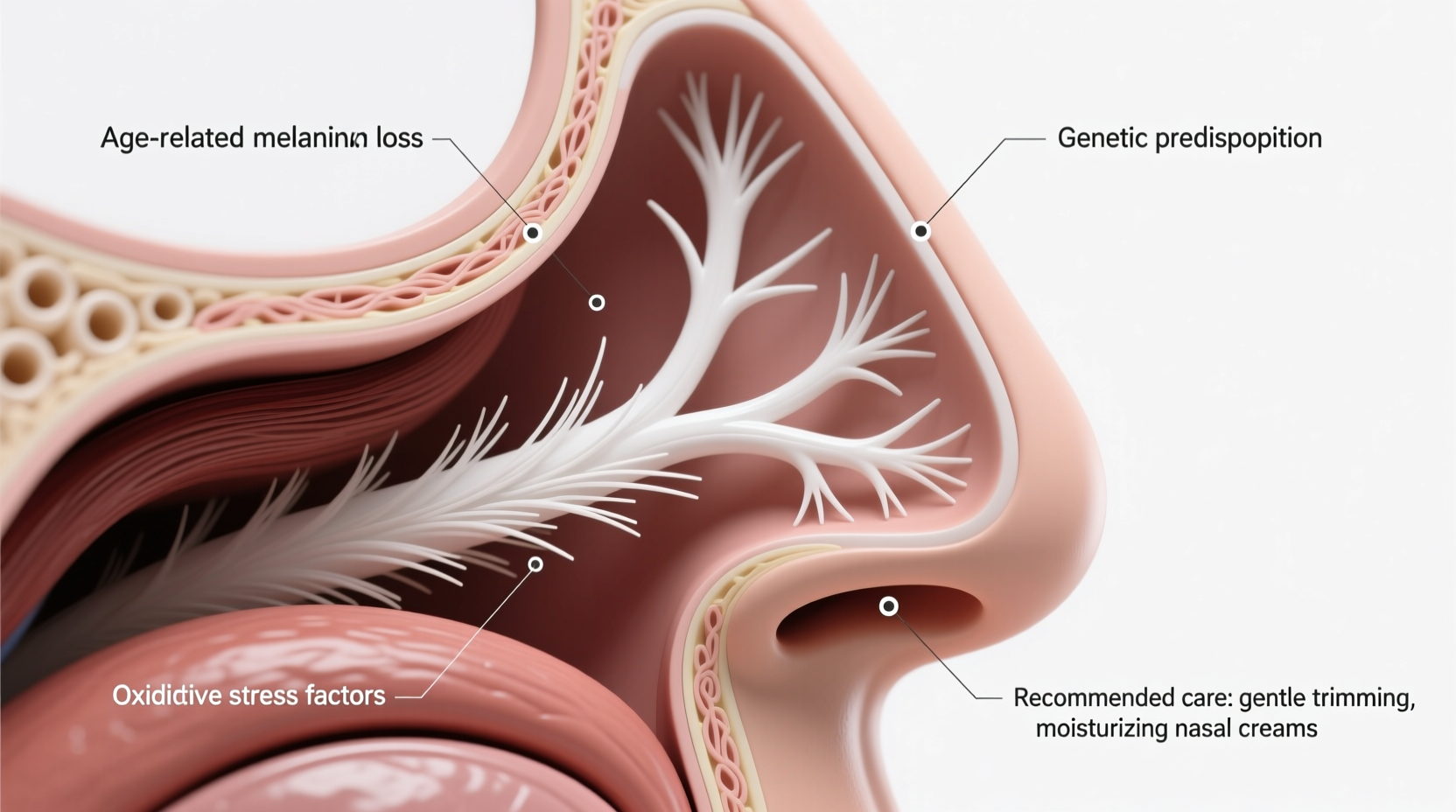
Hair color, whether on the scalp, face, or inside the nostrils, comes from a pigment called melanin. This pigment is produced by specialized cells known as melanocytes, which reside at the base of each hair follicle. There are two primary types of melanin: eumelanin (responsible for brown to black tones) and pheomelanin (linked to red and yellow hues). The combination and concentration of these pigments determine your natural hair color.
As we age, melanocyte activity gradually declines. Fewer pigment granules are delivered to new hair shafts, resulting in strands that grow in lighter, eventually appearing white. Since nose hairs follow the same biological process as other terminal hairs, they too lose pigment over time. However, the timing and rate of this change vary significantly between individuals due to genetic and environmental influences.
Common Causes of White Nose Hairs
While aging is the leading cause, several factors contribute to premature or accelerated whitening of nose hairs:
- Natural Aging: Most people begin to see white nose hairs in their 40s or 50s, though some may notice them earlier.
- Genetics: If your parents or grandparents had early graying facial or body hair, you're more likely to experience the same.
- Oxidative Stress: An imbalance between free radicals and antioxidants in the body can damage melanocytes, speeding up pigment loss.
- Nutritional Deficiencies: Low levels of vitamin B12, copper, iron, or folic acid have been linked to premature graying.
- Smoking: Studies show smokers are up to 2.5 times more likely to develop gray hair before age 30, including in less obvious areas like the nose.
- Medical Conditions: Autoimmune disorders such as vitiligo or alopecia areata can affect pigment production. Thyroid imbalances may also play a role.
“Hair pigmentation loss isn’t limited to the scalp—it’s systemic. When melanocytes slow down anywhere, it can manifest in eyebrows, nose hairs, or even ear hair.” — Dr. Lena Torres, Dermatologist and Hair Specialist
When to Be Concerned
In most cases, white nose hairs are benign and require no medical intervention. However, certain accompanying symptoms might warrant further evaluation:
- Sudden or patchy whitening along with skin discoloration could suggest vitiligo.
- Losing nose hair entirely—not just color—may point to hormonal imbalances or chronic inflammation.
- If white hairs appear alongside fatigue, weight changes, or brittle nails, consider screening for thyroid dysfunction or nutritional deficiencies.
It's important not to self-diagnose. A blood test ordered by your doctor can identify underlying issues such as pernicious anemia (B12 deficiency) or autoimmune markers.
What You Can Do About White Nose Hairs
You cannot reverse white nose hairs naturally once pigment production has ceased, but you can manage them effectively and support overall hair health.
Safe Grooming Practices
Plucking white nose hairs may seem like a quick fix, but it carries risks. Repeated plucking can lead to folliculitis—an infection of the hair follicle—or ingrown hairs. Worse, aggressive removal may damage nasal tissue, increasing susceptibility to bacteria.
| Method | Pros | Cons |
|---|---|---|
| Trimming with nasal clippers | Safe, painless, reduces visibility | Needs regular maintenance |
| Electric nose hair trimmer | Fast, hygienic, precise | Initial cost; requires cleaning |
| Plucking | Longer-lasting results | Risk of infection, irritation |
| Waxing or threading | Not recommended | High risk of injury, bleeding, infection |
Nutritional Support for Hair Pigment
Though reversing white nose hairs through diet alone isn’t guaranteed, supporting melanocyte function may slow further graying. Key nutrients include:
- Vitamin B12: Essential for red blood cell formation and nerve function; deficiency is strongly linked to premature graying.
- Copper: Plays a role in melanin synthesis. Found in nuts, seeds, shellfish, and whole grains.
- Zinc and Iron: Support immune function and hair follicle health.
- Antioxidants (Vitamins C and E): Combat oxidative stress that damages pigment-producing cells.
Step-by-Step Guide to Managing White Nose Hairs
- Assess Frequency: Determine how often white hairs become noticeable. Monthly observation helps track changes.
- Choose a Safe Tool: Invest in a dedicated nasal trimmer or small scissors with rounded tips.
- Sanitize Equipment: Clean blades with rubbing alcohol before each use.
- Trim in Good Lighting: Use a mirror and bright light to avoid cutting too deep.
- Trim Externally Only: Never insert tools deeply into the nostrils—limit trimming to visible outer hairs.
- Monitor for Changes: Note any sudden increase in white hairs or associated symptoms.
- Consult a Doctor if Needed: Especially if changes occur rapidly or with other unexplained symptoms.
Mini Case Study: Early-Onset White Nose Hairs
James, a 38-year-old software engineer, began noticing white nose hairs at age 35. Initially dismissing it as aging, he became concerned when his scalp hair remained dark. He also reported increased fatigue and cold sensitivity. After consulting his physician, blood work revealed low vitamin B12 levels and borderline hypothyroidism. With supplementation and dietary adjustments—including fortified cereals, eggs, and lean meats—his energy improved. Though the white nose hairs didn’t revert, no new ones appeared over the next year. His case highlights how isolated pigmentation changes can signal broader metabolic needs.
Frequently Asked Questions
Can I dye my nose hairs?
No. Hair dyes contain harsh chemicals like ammonia and peroxide that can irritate sensitive nasal membranes and potentially cause allergic reactions or respiratory issues. Dyeing nose hairs is not safe and is strongly discouraged by ENT specialists.
Do white nose hairs mean I’m aging faster?
Not necessarily. While aging is the most common cause, genetics play a major role. Some people experience white nose hairs decades before others. It’s not a reliable marker of biological age or overall health decline.
Is it bad to cut or trim nose hairs?
Trimming is generally safe and often recommended for hygiene and appearance. However, excessive removal—especially plucking or waxing—can compromise the nose’s natural filter system, increasing the risk of infection or inflammation. Trim only what’s necessary and avoid overdoing it.
Conclusion: Taking Practical, Informed Action
White nose hairs are a normal, often inevitable part of life. They reflect biological processes shared across all hair-bearing areas of the body. While they may catch you off guard, they rarely signal danger. Instead of reacting with alarm, focus on safe grooming habits, balanced nutrition, and awareness of your overall health. Small changes—like quitting smoking, improving diet, or scheduling a routine blood panel—can make a meaningful difference in how your body ages, both visibly and internally.




 浙公网安备
33010002000092号
浙公网安备
33010002000092号 浙B2-20120091-4
Comments
No comments yet. Why don't you start the discussion?