
If you’ve noticed the once-lush green tips of your peace lily slowly darkening into unsightly brown, you’re not alone. This common issue affects indoor gardeners across climates and experience levels. While peace lilies (Spathiphyllum) are known for their resilience and air-purifying qualities, they are sensitive to environmental imbalances. Brown leaf tips aren’t just a cosmetic flaw—they’re a clear signal that something in your plant’s environment needs adjustment. The good news is that most causes are reversible with prompt, informed action.
Brown tips on peace lily leaves typically stem from water-related stress, chemical exposure, humidity issues, or improper lighting. Unlike some plants that show distress through drooping or yellowing, peace lilies often respond to imbalance by browning at the edges or tips of the foliage. Understanding the root cause is essential to restoring your plant’s health and preventing future damage.
Common Causes of Brown Tips on Peace Lily Leaves
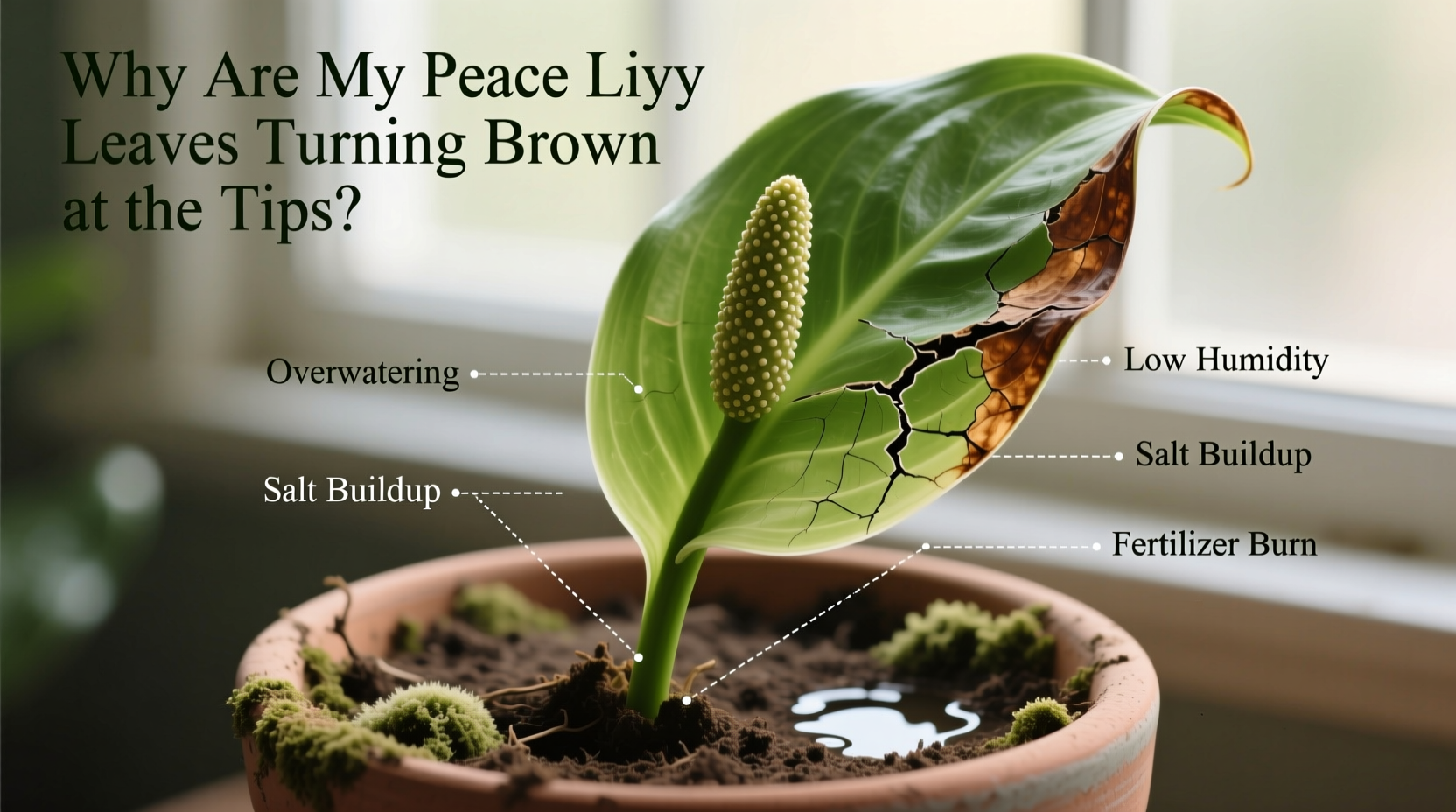
The transformation of vibrant green tips into dry, crispy brown ones can be traced back to several interrelated factors. Identifying which one—or combination—is affecting your plant is the first step toward recovery.
Dry Air and Low Humidity
Peace lilies originate from tropical rainforests, where humidity levels regularly exceed 60%. Most homes, especially during winter months when heating systems run, maintain indoor humidity between 30% and 50%. This dry air pulls moisture from the plant’s leaves faster than the roots can replenish it, leading to dehydration and tip burn.
Inconsistent Watering Practices
Both overwatering and underwatering can lead to brown tips. When a peace lily dries out completely, its cells begin to die, starting at the vulnerable leaf margins. Conversely, chronically soggy soil leads to root rot, impairing the plant’s ability to absorb water and nutrients—even if the soil feels wet.
The key is consistency. Peace lilies prefer evenly moist soil—not wet, not dry. Allowing the top inch of soil to dry slightly between waterings is ideal.
Chemical Buildup in Soil
Taps water often contains chlorine, fluoride, and dissolved minerals. Over time, these chemicals accumulate in the soil, particularly in potted plants with limited drainage. Fluoride toxicity is a well-documented cause of marginal leaf necrosis (browning at tips and edges) in peace lilies.
Fertilizer salts also contribute. Excessive feeding leads to salt buildup, drawing moisture away from roots and damaging delicate leaf tissues.
Poor Water Quality
Using chlorinated tap water directly from the faucet can irritate peace lilies. These plants are notably sensitive to fluoride, which interferes with nutrient uptake and cell function. Even filtered water may retain problematic levels of minerals if not specifically treated.
Exposure to Direct Sunlight or Heat Sources
While peace lilies thrive in bright, indirect light, direct sun scorches their leaves. Similarly, placement near radiators, vents, or drafty windows creates temperature fluctuations and localized dryness that accelerate tip browning.
“Peace lilies are excellent indicators of indoor air and water quality. Their browning tips often reflect household conditions more than plant neglect.” — Dr. Linda Harper, Botanist & Indoor Plant Specialist
Step-by-Step Guide to Diagnose and Fix Brown Tips
Restoring your peace lily starts with a systematic evaluation of its environment and care routine. Follow this timeline to identify and correct the underlying issue.
- Inspect the Soil Moisture: Insert your finger about an inch into the soil. If it’s bone dry, underwatering is likely. If it’s soggy and smells musty, root rot may be present.
- Check for Drainage Issues: Ensure the pot has drainage holes. If water pools at the bottom after watering, repot into a container with better drainage.
- Evaluate Light Conditions: Is the plant in direct sunlight? Move it to a spot with bright, indirect light—near a north or east-facing window is ideal.
- Assess Humidity Levels: Use a hygrometer to measure room humidity. Below 50% increases risk of tip browning.
- Review Your Water Source: Consider switching to distilled, rainwater, or filtered water if tap water is high in fluoride or minerals.
- Flush the Soil: To remove salt buildup, slowly pour three times the pot volume in clean water through the soil, allowing it to drain fully.
- Trim Damaged Leaves: Use sterilized scissors to cut brown tips along the natural curve of the leaf, avoiding healthy tissue.
Do’s and Don’ts for Peace Lily Care
| Do’s | Don’ts |
|---|---|
| Water when the top inch of soil feels dry | Let the plant sit in standing water |
| Mist leaves regularly or use a humidifier | Place in direct afternoon sunlight |
| Use filtered, distilled, or rainwater | Over-fertilize (once every 6 weeks in growing season is enough) |
| Clean leaves gently with a damp cloth | Expose to drafts or heating vents |
| Repot every 1–2 years in fresh, well-draining mix | Ignore persistent browning—it signals ongoing stress |
Real Example: Reviving a Neglected Office Peace Lily
Sarah, an office manager in Chicago, inherited a peace lily that had been sitting in a dim corner near a heating vent. Within weeks, the leaves developed severe brown tips and began curling inward. After consulting a local horticulturist, she discovered multiple issues: low humidity from forced-air heat, inconsistent watering by staff, and mineral-heavy tap water.
She relocated the plant to a brighter but shaded area, started using distilled water, and placed a small humidifier nearby. Every four weeks, she flushed the soil with extra water to leach out accumulated salts. Within two months, new growth emerged with deep green, unblemished tips. The older damaged leaves were trimmed, and the plant became a thriving centerpiece in the reception area.
This case illustrates how cumulative stressors—each manageable on their own—can compound into visible decline. Addressing all factors simultaneously led to a full recovery.
Preventive Checklist for Healthy Peace Lily Leaves
- ✅ Maintain humidity above 50% using a humidifier or pebble tray
- ✅ Water consistently with room-temperature, low-mineral water
- ✅ Provide bright, indirect light—never direct sun
- ✅ Fertilize lightly every 6 weeks during spring and summer
- ✅ Flush soil every 3 months to prevent salt buildup
- ✅ Wipe leaves monthly to remove dust and support photosynthesis
- ✅ Rotate the plant weekly for even growth
- ✅ Repot when roots emerge from drainage holes or soil dries too quickly
Frequently Asked Questions
Can brown tips on a peace lily be reversed?
No, already-browned tissue cannot turn green again. However, removing the affected portion improves appearance and redirects energy to healthy growth. The key is correcting the underlying cause so new leaves grow in unblemished.
How often should I water my peace lily?
Typically once a week, but frequency depends on light, temperature, and humidity. Always check the soil first—water only when the top inch feels dry. In lower light, this may stretch to 10–14 days.
Is tap water safe for peace lilies?
It depends on your water source. If your tap water is heavily fluoridated or hard (high in calcium/magnesium), it can contribute to tip burn. Letting tap water sit out overnight reduces chlorine but not fluoride. For best results, use distilled, filtered, or rainwater.
Conclusion: Restore Balance for Lush, Green Growth
Brown tips on your peace lily aren’t a death sentence—they’re a conversation starter between you and your plant. By listening to what those crispy edges are telling you, you can fine-tune your care routine and restore your peace lily to its full, graceful potential. The solution rarely lies in one dramatic change but in consistent attention to humidity, water quality, and environmental stability.
With the right adjustments, new leaves will emerge wide, glossy, and vibrantly green, reaffirming the peace lily’s reputation as both a resilient and responsive houseplant. Start applying these insights today, and watch your indoor oasis flourish.




 浙公网安备
33010002000092号
浙公网安备
33010002000092号 浙B2-20120091-4
Comments
No comments yet. Why don't you start the discussion?