
If your houseplants are turning yellow, drooping, or suddenly collapsing despite regular watering, you might be surprised to learn that the problem isn’t neglect—it’s care gone too far. Overwatering is the most common cause of plant death among indoor gardeners, often mistaken for under-watering. The irony is palpable: you're trying to help, but your actions are suffocating the roots and inviting disease. Understanding the subtle yet critical signs of overwatering can mean the difference between a thriving indoor jungle and a graveyard of wilted foliage.
This guide breaks down the science behind overwatering, decodes its unmistakable symptoms, and provides actionable steps to revive your plants and prevent future mishaps. Whether you're nurturing a peace lily, a fiddle-leaf fig, or a succulent collection, mastering moisture balance is essential.
The Hidden Crisis Beneath the Soil
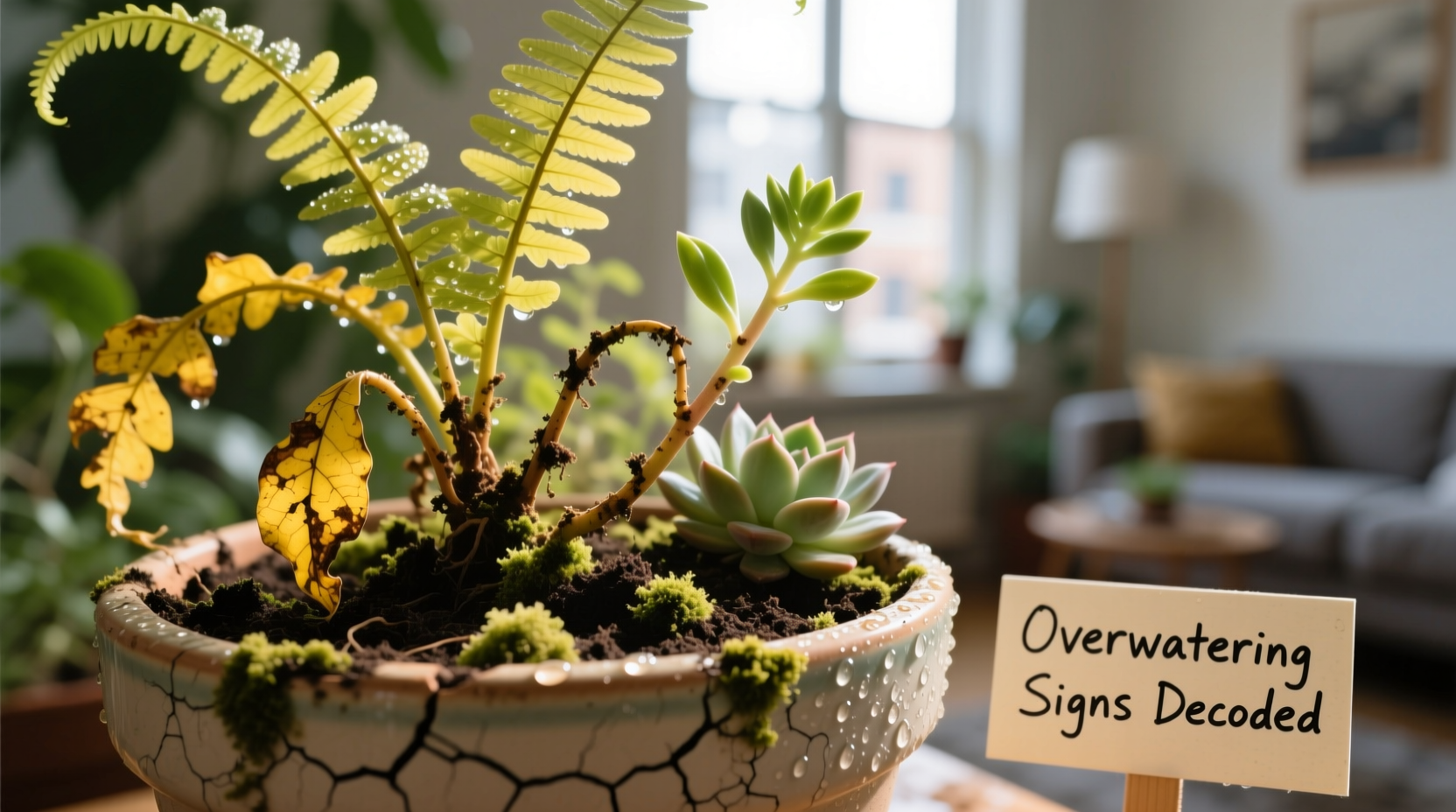
Plants rely on their roots not only to absorb water and nutrients but also to breathe. Root cells require oxygen to function, which they draw from air pockets in well-draining soil. When soil remains saturated for prolonged periods, these air pockets fill with water, effectively drowning the roots. Without oxygen, root tissues begin to decay—a condition known as root rot.
Decaying roots cannot transport water or nutrients, leading to systemic failure. Even if the leaves appear dry or droopy, the plant may already be suffering from internal collapse. This paradox—where a plant looks thirsty but is actually waterlogged—is what makes overwatering so deceptive.
“Overwatering doesn’t just add moisture—it removes breathability. Roots need air as much as they need water.” — Dr. Lena Torres, Urban Horticulturist, Brooklyn Botanic Garden
Many new plant owners operate on a fixed watering schedule, such as “every Sunday,” without considering environmental variables like humidity, temperature, light exposure, or pot size. This one-size-fits-all approach ignores the dynamic needs of living organisms and often leads to chronic overhydration.
Common Signs of Overwatering: What Your Plant Is Trying to Tell You
Recognizing overwatering early can save your plant before irreversible damage occurs. While some symptoms resemble those of under-watering, key distinctions exist:
- Yellowing leaves, especially lower ones: A classic early warning. Unlike nutrient deficiency, which often starts at the top, overwatering causes older, bottom leaves to turn yellow and fall off.
- Soft, mushy stems or leaves: Particularly evident in succulents and cacti, where firmness is normal. Mushiness indicates cellular breakdown from excess moisture.
- Wilting despite wet soil: If the soil is damp but the plant droops, roots are likely compromised and unable to uptake water efficiently.
- Foul odor from the soil: A sour or swampy smell suggests anaerobic bacteria are thriving in oxygen-deprived conditions—a sign of root rot.
- Mold or algae on soil surface: White fuzzy patches or green slimy layers indicate persistent moisture and poor airflow.
- Stunted growth or leaf drop: Chronic overwatering stresses the plant, halting development and triggering premature shedding.
Do’s and Don’ts of Watering: A Quick Reference Table
| Practice | Do | Don't |
|---|---|---|
| Watering Frequency | Check soil moisture first; water only when top 1–2 inches are dry | Follow a rigid schedule regardless of conditions |
| Pot Type | Use pots with drainage holes and breathable materials (terracotta, unglazed ceramic) | Keep plants in decorative pots without drainage |
| Soil Mix | Choose well-draining mixes (e.g., with perlite, orchid bark, or sand) | Use dense garden soil or moisture-retentive mixes for non-aquatic plants |
| Watering Method | Water deeply until it drains out the bottom, then empty the saucer | Let plants sit in standing water for hours |
| Monitoring | Observe plant behavior weekly and adjust care seasonally | Assume all plants have the same water needs |
Step-by-Step Guide to Rescuing an Overwatered Plant
Rescue is possible if caught early. Follow this timeline to stabilize and rehabilitate your plant:
- Stop watering immediately. Let the soil dry out completely. Move the plant to a bright, well-ventilated area—but avoid direct sunlight, which can stress an already weakened plant.
- Remove the plant from its pot. Gently loosen the root ball and inspect the roots. Healthy roots are firm and white or tan; rotted roots are black, brown, or mushy and may slough off when touched.
- Trim damaged roots. Using sterilized scissors, cut away all soft, dark roots. Be thorough—leftover rot will continue to spread.
- Prune affected foliage. Remove yellowed or mushy leaves to reduce stress on the plant and discourage disease.
- Repot in fresh, well-draining soil. Use a clean pot (disinfected with a 10% bleach solution) with adequate drainage. Do not reuse old soil, which may harbor pathogens.
- Wait before watering again. Allow 5–7 days for recovery before lightly moistening the soil. Resume care cautiously, checking moisture levels frequently.
- Monitor closely for two weeks. Look for signs of improvement: stabilized leaf drop, new growth, or firmer stems. If mold or odor returns, consider applying a fungicidal drench or switching to a more porous pot.
Recovery time varies by species and severity. Some plants, like pothos or snake plants, bounce back quickly. Others, like African violets or ferns, may take weeks to stabilize.
Real Example: Sarah’s Struggling Monstera
Sarah, a passionate apartment gardener in Seattle, noticed her once-vibrant Monstera developing yellow leaves and a sagging posture. She was watering it every five days, assuming the Pacific Northwest’s cool climate required consistent moisture. Concerned, she increased watering to every three days—only to find the plant deteriorating further.
After consulting a local nursery, she learned that her heavy potting mix retained too much water, and the lack of drainage exacerbated the issue. She followed the rescue steps: removed the plant, found extensive root rot, trimmed the damage, and repotted in a gritty aroid mix with perlite and orchid bark. She placed it near a north-facing window and waited ten days before giving it a small drink.
Within three weeks, new aerial roots emerged, and the remaining leaves regained turgor. Today, her Monstera thrives, serving as a reminder that sometimes, less is more.
Prevention Checklist: Avoid Overwatering Before It Starts
Proactive habits are the best defense against overwatering. Use this checklist to ensure healthy hydration practices:
- ✅ Assess each plant’s individual needs—succulents vs. tropicals require vastly different care.
- ✅ Use pots with drainage holes; elevate them on feet or trays to prevent water pooling.
- ✅ Choose appropriate soil: cacti need sandy mixes, while ferns prefer moisture with good aeration.
- ✅ Invest in a moisture meter for accuracy, especially with large or hard-to-check plants.
- ✅ Adjust watering frequency with seasons—plants typically need less water in winter due to slower growth and lower light.
- ✅ Rotate plants regularly to ensure even drying and prevent stagnant microclimates.
- ✅ Label your plants with care notes to track watering dates and responses.
Frequently Asked Questions
Can an overwatered plant recover fully?
Yes, if caught early and root damage is limited. Plants with strong crowns and some healthy roots often regenerate within weeks. However, severely rotted plants may not survive, especially if the stem base is mushy.
How do I tell the difference between overwatering and underwatering?
Check the soil. Dry, cracked soil with crispy brown leaf edges indicates underwatering. Wet soil with yellow, soft leaves points to overwatering. Wilting with wet soil is a red flag for root issues.
Is misting a good way to water indoor plants?
Misting increases humidity and benefits tropical plants like calatheas, but it does not replace root watering. Over-misting can contribute to fungal issues on leaves and soil surface, especially in low-airflow areas.
Final Thoughts: Rethinking the Role of Water in Plant Health
Water is essential, but it is not a universal remedy. The belief that “more water equals more life” is one of the most persistent myths in indoor gardening. In reality, balance is everything. Just as humans can drown in water, plants can perish from too much of a good thing.
By learning to read your plants’ signals, adapting to their environment, and respecting their biological limits, you shift from reactive caretaker to intuitive grower. Overwatering isn’t a failure—it’s feedback. Each struggling plant teaches you something about moisture, airflow, and patience.




 浙公网安备
33010002000092号
浙公网安备
33010002000092号 浙B2-20120091-4
Comments
No comments yet. Why don't you start the discussion?