
Yellowing leaves are one of the most common signs that something is off in a plant’s environment or care routine. While it can be alarming, it’s rarely a death sentence. In fact, yellow leaves are often an early warning system—your plant’s way of communicating stress. The key to recovery lies in accurate diagnosis. Whether you're tending to a houseplant, garden shrub, or indoor herb, understanding the underlying cause is essential to restoring health and vibrancy.
Common Causes of Yellow Leaves
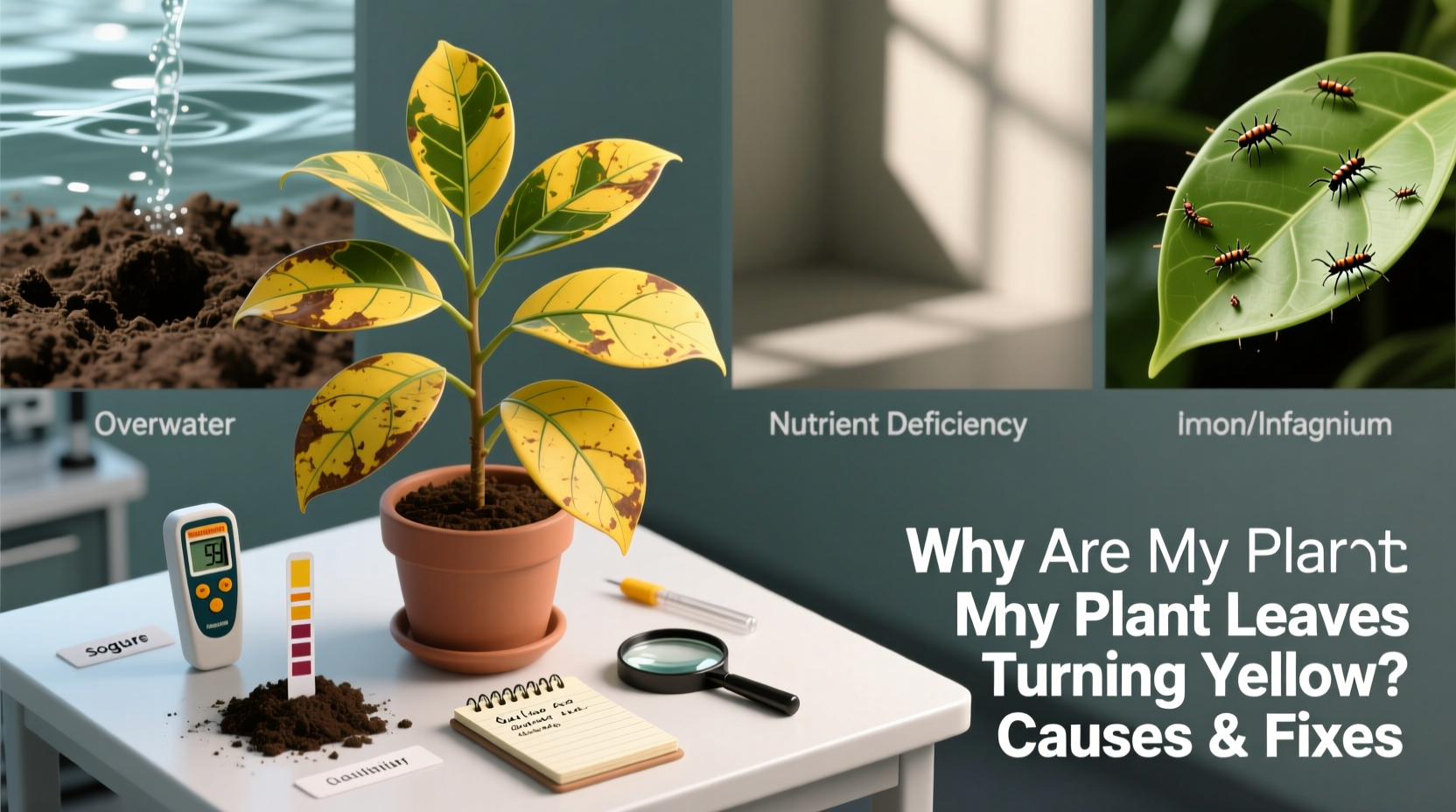
Plants turn yellow for a variety of reasons, ranging from natural aging to serious nutrient deficiencies. Identifying the root issue requires observation of patterns: Are the lower leaves yellowing first? Is the entire leaf affected, or just the edges? Is new growth stunted? These details matter.
- Overwatering: One of the top culprits. Soggy soil leads to root rot, impairing nutrient uptake.
- Underwatering: Dry soil prevents roots from absorbing water and nutrients, causing dehydration.
- Nutrient Deficiencies: Lack of nitrogen, iron, magnesium, or potassium disrupts chlorophyll production.
- Poor Drainage: Even if watering is correct, compacted or poorly draining soil suffocates roots.
- Pests or Disease: Spider mites, aphids, or fungal infections damage tissues and sap vitality.
- Light Issues: Too little light reduces photosynthesis; too much can scorch leaves, leading to yellowing.
- Temperature Stress: Cold drafts or heat sources can shock plants, especially tropical species.
- Natural Senescence: Older leaves at the base may yellow and drop as part of normal growth.
Diagnosing the Problem: A Step-by-Step Guide
Follow this systematic approach to pinpoint the cause and apply the right solution:
- Observe the Pattern: Note which leaves are affected. Lower leaves turning yellow often indicate nutrient deficiency or overwatering. New growth yellowing with green veins suggests iron deficiency.
- Check Soil Moisture: Use your finger or a moisture meter. Mushy soil points to overwatering; bone-dry soil indicates underwatering.
- Inspect Roots: Gently remove the plant from its pot. Healthy roots are firm and white. Brown, mushy roots mean root rot.
- Examine for Pests: Look under leaves and along stems for tiny insects, webbing, or sticky residue.
- Review Light Exposure: Is the plant in low light or direct midday sun? Adjust placement accordingly.
- Assess Fertilization History: Has the plant been fed recently? Over-fertilizing can burn roots, while under-fertilizing leads to deficiencies.
- Test Soil pH (if possible): Most houseplants prefer slightly acidic to neutral pH (6.0–7.0). Extreme pH locks out nutrients.
Nutrient Deficiencies and What They Reveal
Plants need a balanced diet. When specific nutrients are lacking, they display telltale symptoms. Here’s how to decode them:
| Nutrient | Symptoms | Solution |
|---|---|---|
| Nitrogen | Older leaves turn uniformly yellow; growth slows | Apply balanced liquid fertilizer or compost tea |
| Iron | New leaves yellow between green veins (chlorosis) | Use chelated iron supplement or adjust soil pH |
| Magnesium | Yellowing starts at leaf edges, moves inward; brown spots may appear | Epsom salt solution (1 tsp per liter of water), applied monthly |
| Potassium | Leaf edges turn yellow, then brown; weak stems | Use potassium-rich fertilizer (e.g., banana peel tea or commercial blend) |
“Plants don’t lie. Yellow leaves are a language. Learn to read them, and you’ll never overwater again.” — Dr. Lena Torres, Botanist & Urban Horticulturist
Real Example: Reviving a Yellowing Peace Lily
A homeowner noticed her peace lily’s lower leaves turning yellow every few weeks. She assumed it needed more water and increased frequency. Instead, the problem worsened—leaves drooped, and new growth stalled. After checking the soil, she found it remained wet for days. Upon removing the plant, the roots were dark and mushy.
The diagnosis: chronic overwatering and root rot. She repotted the plant in fresh, well-draining mix, trimmed dead roots, and reduced watering to only when the top inch of soil was dry. Within three weeks, new green shoots emerged, and the yellowing stopped. This case underscores how misinterpreting symptoms can exacerbate problems.
Do’s and Don’ts: Quick Reference Table
| Action | Do | Don't |
|---|---|---|
| Watering | Water deeply but infrequently; let soil dry slightly between sessions | Water on a fixed schedule without checking soil |
| Fertilizing | Feed during growing season (spring/summer) with diluted solution | Over-fertilize or feed dormant plants |
| Repotting | Use pots with drainage holes and quality potting mix | Use garden soil in containers—it compacts and drains poorly |
| Light Adjustment | Move plants gradually to avoid shock | Place shade-loving plants in full sun abruptly |
| Pest Control | Wipe leaves with soapy water or use neem oil spray | Ignore early signs or use undiluted chemicals |
Preventive Care Checklist
To keep your plants thriving and prevent yellowing leaves, follow this actionable checklist:
- ✅ Water only when the top 1–2 inches of soil are dry
- ✅ Ensure all pots have drainage holes
- ✅ Use a balanced, water-soluble fertilizer every 4–6 weeks in growing season
- ✅ Rotate plants weekly for even light exposure
- ✅ Wipe dust off leaves monthly to support photosynthesis
- ✅ Inspect plants bi-weekly for pests or discoloration
- ✅ Repot every 1–2 years to refresh soil and prevent root binding
- ✅ Keep plants away from HVAC vents, cold windows, and direct heat sources
FAQ
Can yellow leaves turn green again?
In most cases, once a leaf turns yellow due to nutrient loss or cell damage, it cannot revert to green. The focus should be on preventing further yellowing by correcting the underlying issue. However, in mild cases of magnesium deficiency, timely treatment may restore some color.
Is it okay to remove yellow leaves?
Yes. Removing severely yellowed or dying leaves helps the plant redirect energy to healthy growth and improves airflow, reducing disease risk. Use clean scissors to avoid spreading pathogens.
Should I mist my plant if the leaves are yellowing?
Misting increases humidity, which benefits tropical plants, but it won’t fix yellowing caused by overwatering, poor drainage, or nutrient issues. Use misting as a supplemental practice, not a cure-all.
Conclusion: Take Action Before It’s Too Late
Yellow leaves are not a failure—they’re feedback. By responding with informed care, most plants recover fully. The difference between a thriving plant and a declining one often comes down to attention to detail: checking the soil, adjusting light, and feeding appropriately. Don’t wait for all the leaves to yellow. Start today—inspect your plants, diagnose the issue, and apply the fix. Your green companions will respond with renewed vigor.




 浙公网安备
33010002000092号
浙公网安备
33010002000092号 浙B2-20120091-4
Comments
No comments yet. Why don't you start the discussion?