
Loose or poorly formed stools are more than just an inconvenience—they can signal underlying digestive imbalances. While occasional changes in stool consistency are normal, consistently soft, mushy, or unformed bowel movements may point to dietary habits, gut health issues, or even chronic conditions. Understanding the root causes and knowing when to take action is essential for restoring digestive wellness and overall comfort.
Dietary Factors That Affect Stool Consistency
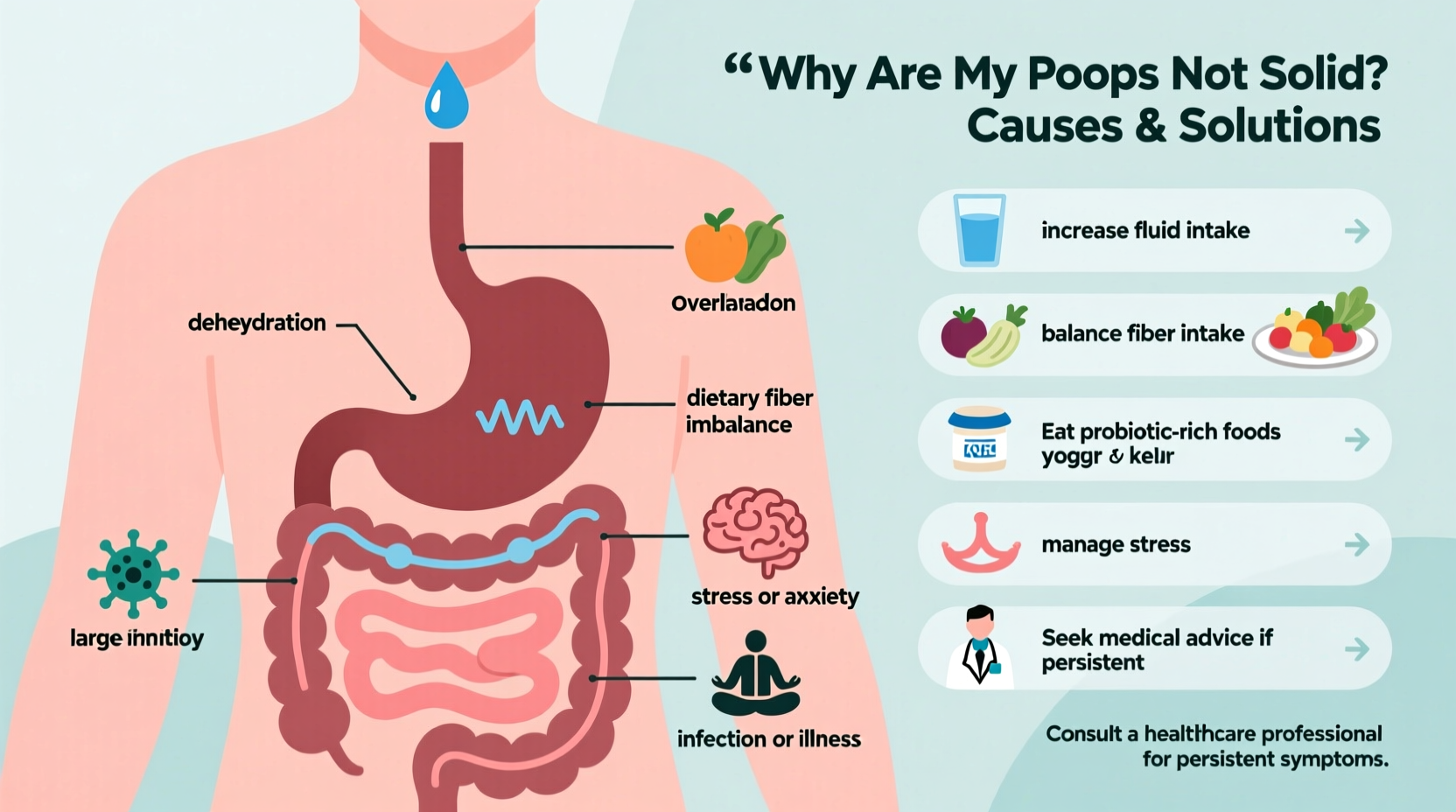
The food you eat plays a central role in determining how solid your stool is. Your digestive system relies on a balance of fiber, water, fats, and nutrients to form well-structured bowel movements. When this balance is disrupted, stool can become loose or poorly formed.
- Low fiber intake: Insoluble fiber adds bulk to stool, helping it maintain shape as it moves through the colon. Diets low in whole grains, vegetables, and legumes often result in softer stools.
- Excess sugar and artificial sweeteners: Sorbitol, mannitol, and other sugar alcohols found in sugar-free gum and processed foods can draw water into the intestines, leading to looser stools.
- High-fat meals: Fatty foods, especially fried or greasy ones, can speed up intestinal transit and reduce water absorption, resulting in mushy stools.
- Inadequate hydration: Water is absorbed in the large intestine to firm up stool. Dehydration can paradoxically contribute to both constipation and loose motions if electrolyte balance is disturbed.
Common Medical and Digestive Conditions
When lifestyle and diet adjustments don’t resolve soft stools, an underlying medical condition may be involved. These conditions affect how your body processes food, absorbs nutrients, and forms waste.
Irritable Bowel Syndrome (IBS)
IBS is one of the most frequent causes of inconsistent stool form. People with IBS-D (diarrhea-predominant) often experience loose or mushy stools, especially after meals or during periods of stress. The condition involves abnormal gut motility and visceral sensitivity.
Small Intestinal Bacterial Overgrowth (SIBO)
SIBO occurs when bacteria normally found in the colon migrate to the small intestine. This disrupts digestion, particularly of carbohydrates, leading to bloating, gas, and poorly formed stools due to malabsorption and increased fermentation.
Lactose or Food Intolerances
Inability to digest lactose, fructose, or gluten can cause osmotic diarrhea—where undigested food draws water into the bowel. This results in soft or liquid stools shortly after eating trigger foods.
Bile Acid Malabsorption
Bile acids help break down fats. When they aren’t properly reabsorbed in the ileum, excess bile enters the colon and stimulates water secretion, causing urgent, loose stools—often yellowish and foul-smelling.
“Chronic loose stools shouldn’t be ignored. They can reflect deeper imbalances in gut flora, enzyme production, or intestinal integrity.” — Dr. Lena Torres, Gastroenterology Specialist
Medications, Supplements, and Lifestyle Triggers
Certain substances directly influence bowel habits. Even beneficial supplements can have unintended side effects on stool form.
| Substance | Effect on Stool | What to Do |
|---|---|---|
| Magnesium supplements | Draws water into colon; commonly causes loose stools | Reduce dose or switch to magnesium glycinate |
| Antibiotics | Disrupt gut microbiome; may lead to diarrhea | Replenish with probiotics post-treatment |
| Coffee and caffeine | Stimulates colonic contractions | Limit intake, especially on empty stomach |
| Artificial sweeteners | Osmotic effect; pulls water into bowel | Avoid sorbitol, xylitol, maltitol |
| NSAIDs (e.g., ibuprofen) | Can irritate gut lining; alter motility | Use sparingly; consider alternatives |
Step-by-Step Guide to Improving Stool Consistency
Improving stool form requires a systematic approach. Follow these steps over 2–4 weeks to assess what works best for your body.
- Track your diet and symptoms: Keep a daily journal noting meals, bowel movements, energy levels, and any discomfort. Look for patterns linked to specific foods.
- Increase soluble fiber: Add oats, bananas, psyllium husk, or cooked carrots. These absorb water and help bind stool.
- Stay hydrated: Aim for at least 2 liters of water daily. Herbal teas and broths also contribute to fluid intake.
- Introduce probiotics: Try a high-quality probiotic with strains like Lactobacillus rhamnosus or Bifidobacterium bifidum, or consume fermented foods such as kefir, sauerkraut, or kimchi.
- Eliminate common triggers: Temporarily remove dairy, artificial sweeteners, fried foods, and excessive caffeine. Reintroduce one at a time to test tolerance.
- Manage stress: Practice deep breathing, meditation, or gentle yoga. Stress directly impacts gut motility via the gut-brain axis.
- Consult a healthcare provider: If no improvement after 4 weeks, consider testing for food intolerances, SIBO, or celiac disease.
Real Example: Sarah’s Journey to Better Digestion
Sarah, a 34-year-old teacher, had struggled with mushy stools for over a year. She felt embarrassed and anxious about sudden bathroom urges during school hours. Despite eating salads daily, her digestion remained erratic.
After tracking her diet, she realized she consumed two protein bars daily—both containing maltitol. She also drank three diet sodas and relied on coffee to stay alert. Eliminating the bars and soda, switching to herbal tea, and adding oatmeal with chia seeds each morning led to noticeable improvements within 10 days. By week three, her stools were consistently formed, and her energy improved.
Her case highlights how seemingly “healthy” processed foods can sabotage digestive health—even when overall diet appears balanced.
Checklist: Actions to Take Today
Use this checklist to begin improving your bowel health immediately:
- ✅ Drink a glass of water first thing in the morning
- ✅ Replace one processed snack with a whole-food option (e.g., apple with almond butter)
- ✅ Eliminate artificial sweeteners for 7 days
- ✅ Add a soluble fiber source to breakfast (oats, banana, chia seeds)
- ✅ Begin a simple symptom journal (use a notebook or app)
- ✅ Reduce caffeine intake by one drink per day
- ✅ Practice 5 minutes of mindful breathing before meals
Frequently Asked Questions
Is it normal to have soft poop occasionally?
Yes. Occasional soft stools are normal, especially after rich meals, travel, or stress. However, if loose or poorly formed stools occur more than three times a week for over four weeks, it’s worth investigating further.
Can stress really affect my poop consistency?
Absolutely. The gut and brain are closely connected through the vagus nerve and hormonal pathways. Acute stress can trigger faster intestinal transit, reducing water absorption and leading to softer stools. Chronic stress may worsen conditions like IBS.
When should I see a doctor about loose stools?
Seek medical advice if you experience weight loss, blood in stool, severe abdominal pain, nighttime diarrhea, or symptoms lasting longer than four weeks. These could indicate inflammatory bowel disease (IBD), infection, or malabsorption disorders.
Conclusion: Take Control of Your Digestive Health
Your stool is a direct reflection of your internal environment. Soft or unformed poops are not something to ignore or normalize long-term. With thoughtful dietary choices, attention to lifestyle factors, and a willingness to experiment mindfully, most people can achieve consistent, well-formed bowel movements.
Start with one change—whether it’s eliminating artificial sweeteners, increasing water intake, or adding fiber—and build from there. Small, sustainable steps lead to lasting improvements. Your digestive system supports every aspect of your health; treat it with the care it deserves.




 浙公网安备
33010002000092号
浙公网安备
33010002000092号 浙B2-20120091-4
Comments
No comments yet. Why don't you start the discussion?