
Itching is one of the most common complaints during scar healing, yet it’s often misunderstood. Whether from surgery, injury, or acne, nearly everyone who forms a scar experiences some degree of itchiness. While usually harmless, persistent or intense itching can signal complications. Understanding the science behind scar itch, how to manage discomfort, and when to consult a healthcare provider empowers you to support optimal healing.
The Science Behind Scar Itchiness
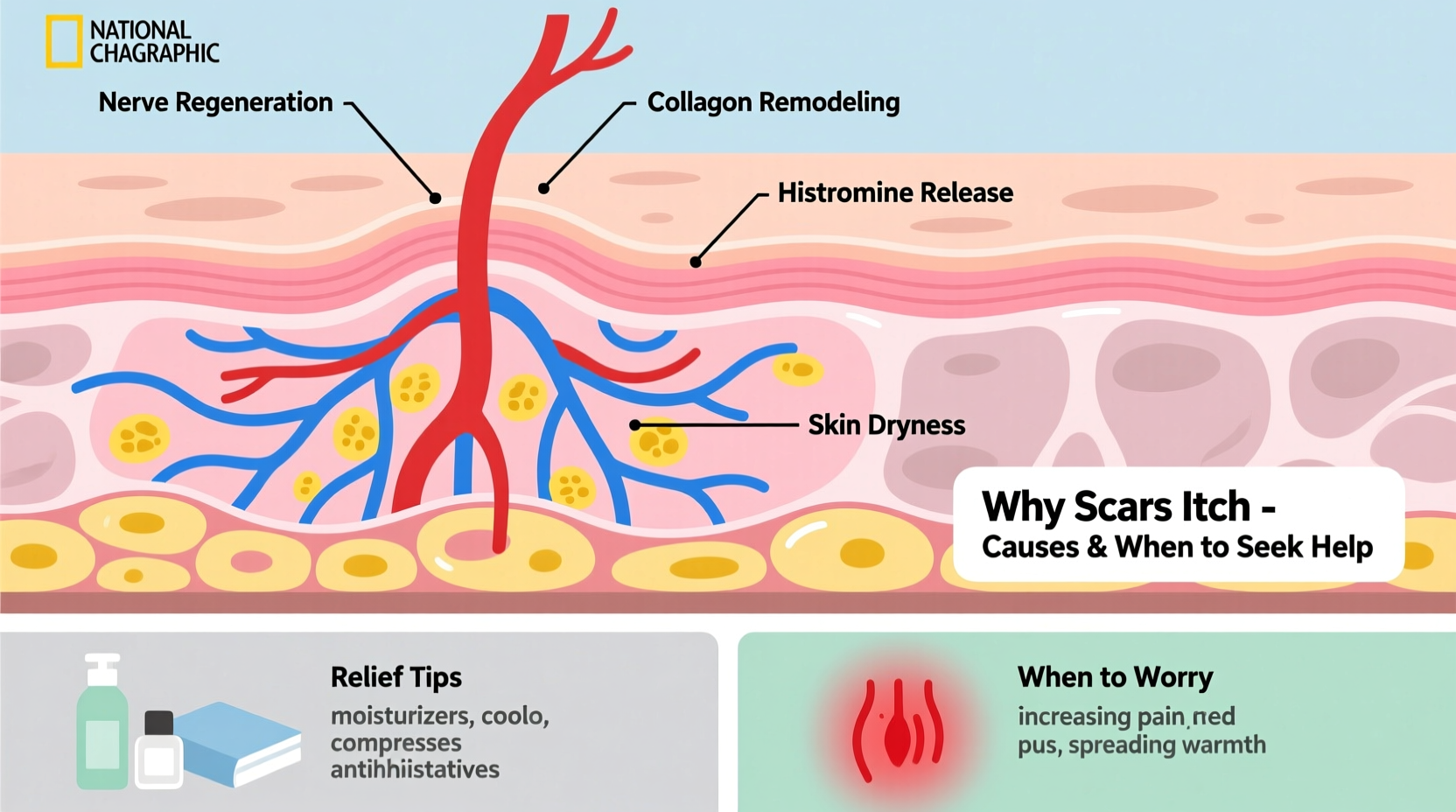
When your skin sustains damage, the body initiates a complex repair process involving inflammation, collagen production, and tissue remodeling. During this phase, nerve endings in the damaged area become hypersensitive. As new tissue forms—especially during the proliferative and maturation stages of wound healing—nerve fibers regenerate irregularly, leading to abnormal signaling that the brain interprets as itching.
Additionally, histamine release during inflammation contributes significantly to itch sensation. Mast cells, which are part of the immune response, degranulate and release histamine at the wound site, stimulating nearby sensory nerves. This explains why antihistamines sometimes provide temporary relief.
Another factor is dryness. New scar tissue lacks sebaceous glands, meaning it doesn’t produce natural oils like healthy skin. This makes scars prone to dryness and flaking, both of which trigger itch receptors.
“Scar itch is a sign that healing is underway, but uncontrolled scratching can disrupt tissue regeneration and worsen scarring.” — Dr. Lena Torres, Dermatology Specialist, Johns Hopkins Medicine
Common Causes of Itchy Scars
Not all itchy scars are caused by the same factors. The underlying reason influences both severity and duration:
- Healing Process: Most acute itch occurs within weeks to months post-injury as collagen rebuilds and nerves regrow.
- Hypertrophic or Keloid Scars: Raised, thickened scars often itch more due to excessive collagen and ongoing inflammation.
- Dry Skin: Lack of moisture in new tissue increases irritation and triggers itch-scratch cycles.
- Allergic Reactions: Topical ointments, adhesives, or dressings may cause contact dermatitis, intensifying itch.
- Infection: Infected wounds can become red, warm, painful, and intensely itchy before other signs appear.
- Nerve Damage: In surgical or deep trauma cases, misfiring nerves (neuropathic itch) may cause chronic sensations.
Effective Relief Strategies
Managing scar itch requires a combination of hydration, protection, and targeted treatments. Here’s what works:
1. Moisturize Daily
Use fragrance-free emollients such as petroleum jelly, silicone-based gels, or creams containing ceramides. Apply twice daily to keep the scar supple and reduce dryness-induced itch.
2. Silicone Therapy
Silicone sheets or gels have been clinically proven to improve scar texture and reduce itching. They create a protective barrier, regulate hydration, and modulate collagen synthesis.
3. Cold Compresses
Applying a cool, damp cloth for 5–10 minutes can soothe inflamed nerves and temporarily relieve itch without damaging tissue.
4. Over-the-Counter Antihistamines
Oral antihistamines like cetirizine or diphenhydramine may help if histamine is driving the itch, especially at night when symptoms often worsen.
5. Gentle Massage
Using light pressure with moisturizer can improve circulation, soften scar tissue, and desensitize nerve endings over time.
| Method | Effectiveness | Best For |
|---|---|---|
| Silicone Gel/Sheets | High | Red, raised, or hypertrophic scars |
| Moderate Moisturizers | Medium-High | Dry, mature scars |
| Cold Therapy | Medium | Acute flare-ups |
| OTC Antihistamines | Variable | Nighttime itch or allergic components |
| Topical Corticosteroids* | High (short-term) | Inflamed keloids (under doctor supervision) |
*Only use steroid creams under medical guidance; prolonged use can thin skin.
When to Worry: Red Flags to Watch For
While mild to moderate itching is normal, certain symptoms suggest complications requiring medical evaluation:
- Increasing pain or swelling around the scar long after healing should be complete.
- Signs of infection: Pus, foul odor, spreading redness, warmth, or fever.
- Rapid growth: A scar that continues to enlarge beyond the original wound boundary may be a keloid.
- Change in color or texture: Darkening, hardening, or ulceration of the scar.
- Persistent itch lasting over a year without improvement despite care.
If neuropathic pain or burning accompanies itch, it could indicate nerve entrapment or neuroma formation, particularly after surgeries. These require specialized assessment.
Mini Case Study: Recovering from Abdominal Surgery
Sarah, 42, developed intense itching six weeks after a laparoscopic procedure. Initially dismissing it as normal healing, she scratched lightly at night. By week eight, the scar became raised, red, and increasingly tender. She consulted her surgeon, who diagnosed early hypertrophic scarring. Sarah started using silicone sheets and applied a prescribed low-potency steroid cream. Within four weeks, redness and itch reduced significantly. Her case highlights how timely intervention prevents progression.
Step-by-Step Guide to Managing Itchy Scars
- Identify the stage of healing: Is the scar fresh (under 3 months), maturing (3–12 months), or old (over a year)? Treatment varies accordingly.
- Cleanse gently: Use mild soap and water daily. Pat dry—never rub.
- Apply a hydrating agent: Choose silicone gel or a hypoallergenic moisturizer twice daily.
- Use cold therapy for flare-ups: Wrap ice in a cloth and apply for short durations.
- Protect from sun exposure: UV rays darken scars and increase irritation. Use SPF 30+ on healed scars.
- Monitor changes weekly: Take photos to track appearance and symptom progression.
- Consult a specialist if no improvement in 6–8 weeks or if warning signs emerge.
Frequently Asked Questions
Can old scars suddenly start itching?
Yes. Even years later, scars can itch due to dryness, temperature changes, tight clothing, or nerve sensitivity. However, sudden or severe itching in an old scar warrants evaluation to rule out rare conditions like scar carcinoma or dermatological recurrence.
Is it safe to use hydrocortisone on scars?
Low-dose (1%) hydrocortisone cream can be used short-term (up to two weeks) for inflamed, itchy scars. Long-term use may thin surrounding skin and impair healing. Always consult a doctor before applying steroids to a scar, especially on the face or sensitive areas.
Do all scars itch?
No, but most do to some extent. Factors like scar size, depth, location (e.g., joints or sun-exposed areas), and individual healing biology influence whether itch occurs and how severe it is.
Conclusion: Take Control of Your Healing Journey
Itchy scars are a common, often temporary part of recovery—but they shouldn’t be ignored. With consistent care, most discomfort can be managed effectively at home. The key is understanding your scar’s behavior, responding with evidence-based strategies, and knowing when to seek professional help. Healing isn’t just physical; it’s about comfort, confidence, and preventing long-term issues. Start today by assessing your scar, applying gentle care routines, and tracking progress. Your skin deserves thoughtful attention every step of the way.




 浙公网安备
33010002000092号
浙公网安备
33010002000092号 浙B2-20120091-4
Comments
No comments yet. Why don't you start the discussion?