
Tomato plants are a staple in home gardens, prized for their juicy fruits and relatively straightforward care. Yet even experienced gardeners can be alarmed when they notice the first signs of leaf curl—twisting, rolling, or cupping of foliage that may suggest trouble beneath the surface. While some degree of leaf movement is natural, persistent or severe curling often signals an underlying issue. Understanding the root cause is essential to restoring plant health and ensuring a bountiful harvest. The reasons behind tomato leaf curl span environmental conditions, cultural practices, pest infestations, and diseases. Each presents distinct symptoms and requires specific interventions. This guide breaks down the most common causes, offers diagnostic clues, and provides actionable steps to correct the problem—or prevent it altogether.
Understanding Tomato Leaf Curl: A Diagnostic Challenge
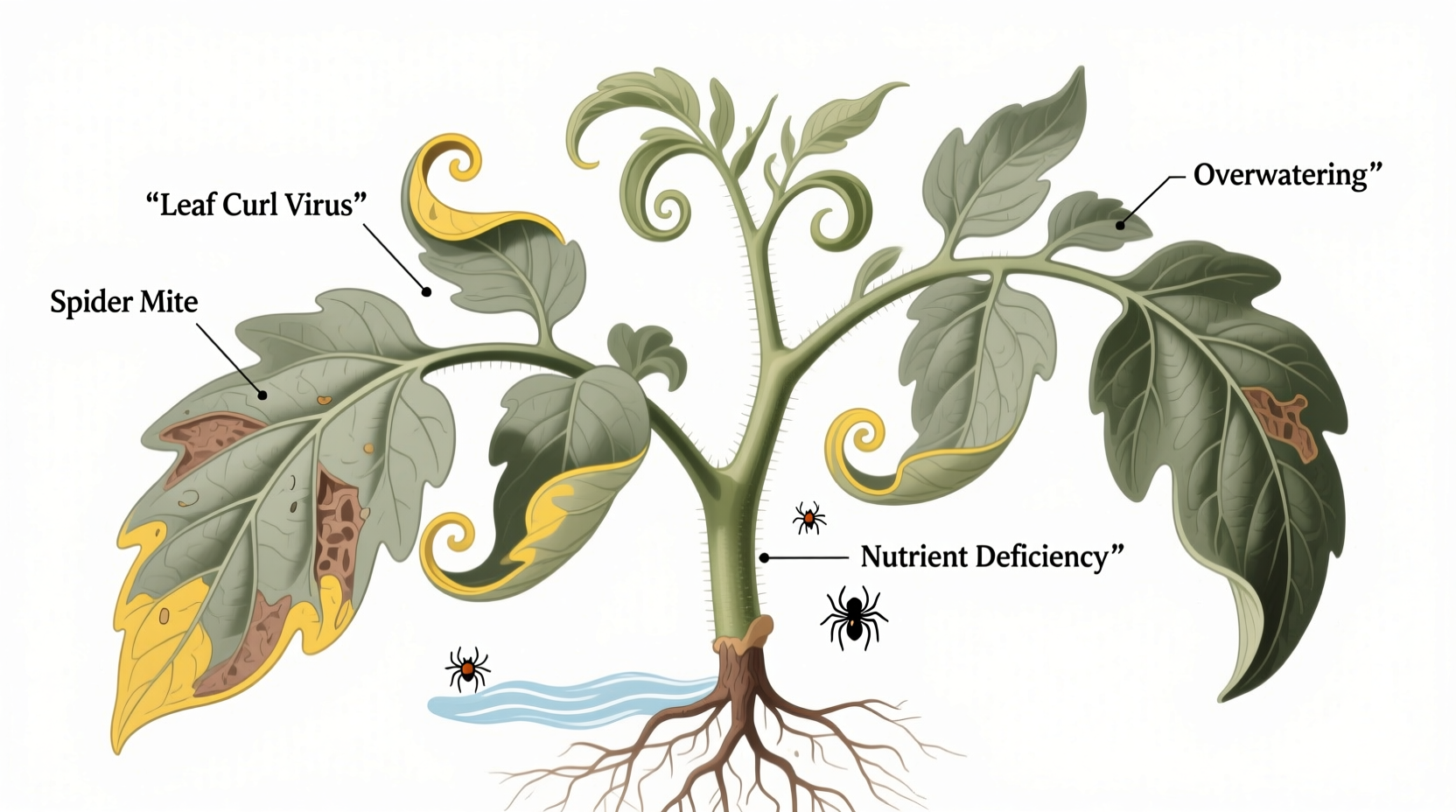
Leaf curl in tomatoes isn't a disease in itself but rather a symptom—a visible response to stress. Unlike fruit discoloration or stem lesions, which may point directly to pathogens, leaf curl is non-specific. It's the plant’s way of conserving water, managing nutrient flow, or reacting to injury. Because multiple factors can produce similar visual effects, accurate diagnosis hinges on observing additional symptoms, timing, growing conditions, and recent cultural changes. Misdiagnosis can lead to unnecessary pesticide use or incorrect watering habits, potentially worsening the situation. For culinary enthusiasts who grow their own ingredients, healthy tomato plants mean better flavor, higher yields, and more vibrant produce for sauces, salads, and preserves. Recognizing and resolving leaf curl ensures not only plant vitality but also superior taste and texture in the kitchen.
Common Causes of Tomato Leaf Curl
Tomato leaf curl arises from five primary categories: environmental stress, physiological responses, pest damage, viral infections, and herbicide exposure. Each has unique indicators and management strategies.
1. Environmental Stress (Most Common)
Fluctuations in temperature, moisture, and wind are frequent triggers of leaf curl, especially during early growth stages. High daytime temperatures (above 90°F/32°C), low humidity, and strong winds increase transpiration—the loss of water through leaves. In response, tomato plants may roll their leaves upward and inward to reduce surface area and conserve moisture. This type of curl typically affects older leaves first, with leaves curling uniformly along the length of the leaflet without discoloration or distortion.
This condition, known as physiological leaf roll, is generally harmless and self-correcting when conditions stabilize. It does not impact fruit production significantly and often resolves as the season progresses or when irrigation improves.
2. Water Imbalance: Overwatering and Underwatering
Inconsistent watering ranks among the top cultural causes of leaf abnormalities. Both overwatering and underwatering disrupt root function and water uptake, leading to stress-induced curling.
- Underwatering: Causes leaves to wilt, curl inward, and become leathery. The plant attempts to minimize water loss by reducing leaf exposure.
- Overwatering: Leads to oxygen deprivation in roots, impairing their ability to absorb water and nutrients. This can trigger upward curling, particularly in younger leaves, often accompanied by yellowing.
Establishing a consistent watering schedule—deep, infrequent irrigation that encourages deep root development—is key to prevention. Mulching around the base helps maintain soil moisture and buffer against extremes.
TIP: Water tomato plants at the base, early in the morning, using drip irrigation or soaker hoses. Avoid wetting foliage to reduce disease risk. Aim for 1–1.5 inches of water per week, adjusting for rainfall and temperature.
3. Nutrient Deficiencies and Excesses
Imbalanced nutrition can manifest in leaf morphology. Key deficiencies linked to curling include:
- Potassium (K): Deficiency causes leaf edges to curl upward, with yellowing or necrosis starting at margins. Potassium regulates water balance and enzyme activation.
- Magnesium (Mg): Often shows as interveinal chlorosis (yellowing between veins) on older leaves, sometimes with slight curling. Magnesium is central to chlorophyll production.
- Boron (B): Deficiency leads to brittle new growth, distorted leaves, and downward curling of young leaflets. Boron affects cell wall formation.
Excessive nitrogen can also contribute indirectly by promoting lush, tender growth that is more susceptible to environmental stress and pest attacks. Always conduct a soil test before amending nutrients to avoid compounding imbalances.
4. Pest Infestations
Several sap-sucking insects induce leaf curl through direct feeding or virus transmission.
Whiteflies
Colonize the undersides of leaves, excreting honeydew and transmitting viruses like tomato yellow leaf curl virus (TYLCV). Infested leaves curl upward, yellow, and may drop prematurely. Look for tiny white insects that flutter when disturbed.
Aphids
Cluster on new growth, sucking sap and causing downward curling. Their presence often attracts ants and promotes sooty mold. Aphids can also spread mosaic viruses.
Spider Mites
Thrive in hot, dry conditions. They pierce leaf cells, leading to stippling, bronzing, and inward curling. Fine webbing on leaf undersides is a telltale sign.
Regular inspection and early intervention with insecticidal soap, neem oil, or biological controls (e.g., ladybugs) are effective preventive measures.
5. Viral Diseases
Viral infections are among the most serious causes of leaf curl, often incurable and requiring plant removal to prevent spread.
Tomato Yellow Leaf Curl Virus (TYLCV)
Transmitted by whiteflies, this virus causes severe upward curling, stunting, yellowing, and flower drop. Plants infected early rarely produce fruit. No treatment exists; control focuses on vector management and resistant varieties.
Tomato Mosaic Virus (ToMV) and Tobacco Mosaic Virus (TMV)
Cause mottled, distorted leaves with irregular curling, often in a \"shoestring\" pattern where leaf blades fail to develop fully. These viruses are mechanically transmitted via contaminated tools or hands. Sanitation is critical.
Resistant cultivars such as 'Mountain Magic,' 'Iron Lady,' and 'Defiant PHR' offer protection against common viruses.
6. Herbicide Exposure
Drift from lawn herbicides—especially those containing 2,4-D or dicamba—can severely affect tomato plants. Symptoms appear rapidly: twisted stems, narrow strap-like leaves, and pronounced downward curling. Even minute amounts can cause damage, as tomatoes are highly sensitive.
Prevention includes avoiding spraying on windy days, cleaning equipment thoroughly, and planting tomatoes away from treated lawns. Affected plants should be removed if distortion is severe, as chemical residues may persist in fruit.
Distinguishing Between Causes: A Visual Guide
Because symptoms overlap, a systematic evaluation is necessary. Use the following table to help differentiate potential causes based on key indicators.
| Cause | Leaf Appearance | Affected Leaves | Additional Signs | Solution Approach |
|---|---|---|---|---|
| Environmental Stress | Uniform upward curl, no color change | Older leaves first | No pests, normal growth otherwise | None needed; monitor conditions |
| Water Stress | Upward or inward curl, wilting | All leaves, depending on severity | Dry soil or waterlogged roots | Adjust watering frequency and depth |
| Potassium Deficiency | Edge curl + yellowing/necrosis | Older leaves | Brown margins, weak stems | Apply potassium-rich fertilizer |
| Whitefly Infestation | Upward curl + yellowing | New and mature leaves | Honeydew, sooty mold, flying insects | Neem oil, sticky traps, remove weeds |
| TYLCV | Severe upward curl, stunting | Young leaves | Reduced flowering, small leaves | Remove plant; control whiteflies |
| Herbicide Drift | Narrow, twisted leaves, downward curl | New growth | Distorted stems, rapid onset | Remove plant; improve spray hygiene |
When Is Leaf Curl Not a Concern?
Not all leaf curl requires intervention. Some tomato varieties naturally exhibit mild leaf rolling as a genetic trait. Heirloom types like 'Matt’s Wild Cherry' or certain cherry tomato lines may show this throughout the season without any decline in vigor or yield. If the plant is otherwise healthy—no stunting, discoloration, or pest presence—and the curling has been consistent since early growth, it may simply be a varietal characteristic.
\"I’ve grown 'Solar Fire' for years, and the lower leaves always curl slightly in midsummer. Once I realized it wasn’t pathological, I stopped worrying. The fruit quality hasn’t suffered at all.\" — Sarah Lin, Master Gardener, Oregon State Extension
Preventive Strategies for Healthy Tomato Plants
Prevention is far more effective than cure when managing tomato leaf issues. Implementing sound cultural practices reduces stress and builds resilience.
Choose Resistant Varieties
Select cultivars labeled with resistance codes such as:
- T: Resistance to tobacco mosaic virus
- V: Resistance to verticillium wilt
- F: Resistance to fusarium wilt
- N: Resistance to nematodes
- TSWV: Resistance to tomato spotted wilt virus
- TYLCV: Resistance to tomato yellow leaf curl virus
Look for modern hybrids developed specifically for disease resistance and climate adaptability.
Optimize Soil Health
Healthy soil supports robust root systems capable of withstanding stress. Maintain pH between 6.2 and 6.8. Incorporate compost annually to improve structure and nutrient availability. Conduct soil tests every 2–3 years to guide amendments.
Practice Crop Rotation
Avoid planting tomatoes in the same spot year after year. Rotate with non-solanaceous crops (e.g., beans, lettuce, carrots) to break pest and disease cycles. A three-year rotation is ideal.
Use Mulch and Support Structures
Organic mulch (straw, pine needles, shredded bark) conserves moisture, moderates soil temperature, and suppresses weeds. Staking or caging improves air circulation, reduces foliar disease, and keeps fruit clean.
Practical Tips & FAQs
Q: Should I prune curled leaves?
A: Only if they are diseased, dead, or severely infested. Removing healthy curled leaves reduces photosynthetic capacity and stresses the plant further. Focus on correcting the underlying cause instead.
Q: Can I eat tomatoes from a plant with curled leaves?
A: Yes, in most cases. Physiological curl, nutrient issues, and pest damage do not make fruit unsafe. However, if the plant shows signs of viral infection or herbicide exposure, discard the fruit as a precaution—especially if misshapen or discolored.
Q: How do I sanitize tools to prevent virus spread?
A: Dip pruners and stakes in a 10% bleach solution (1 part bleach to 9 parts water) or use rubbing alcohol (70% isopropyl) between plants, especially when handling suspected virus-infected specimens.
Q: Are organic treatments effective against whiteflies?
A: Yes. Neem oil disrupts feeding and molting, while insecticidal soaps desiccate soft-bodied insects. Apply in the early morning or evening to avoid leaf burn and protect pollinators. Yellow sticky traps help monitor populations.
Q: Can overhead watering cause leaf curl?
A: Not directly, but it increases humidity and wets foliage, creating favorable conditions for fungal and bacterial diseases like early blight or septoria leaf spot, which may compound stress. Use drip irrigation whenever possible.
Summary & Key Takeaways
Tomato leaf curl is a symptom, not a diagnosis. While it can be unsettling, most cases stem from manageable environmental or cultural factors rather than catastrophic disease. The majority of curling due to heat, wind, or mild water stress is temporary and does not compromise yield. However, persistent or worsening symptoms—especially when paired with discoloration, stunting, or pests—warrant closer inspection.
To effectively address leaf curl:
- Observe holistically: Check the entire plant, including stems, roots, and fruit.
- Assess timing and pattern: Sudden onset suggests herbicide or pest issues; gradual development points to environment or nutrition.
- Test soil and adjust inputs: Confirm nutrient levels before fertilizing.
- Inspect for pests daily: Use a hand lens to examine leaf undersides.
- Choose resistant varieties: Invest in long-term resilience.
- Prevent, don’t react: Healthy plants resist stress better than weakened ones.
Final Thought: A curled leaf isn’t a failing—it’s feedback. By learning to read the signals your tomato plants send, you cultivate not just food, but understanding. Respond with patience, precision, and care, and you’ll be rewarded with flavorful harvests season after season.




 浙公网安备
33010002000092号
浙公网安备
33010002000092号 浙B2-20120091-4
Comments
No comments yet. Why don't you start the discussion?