
Tomato plants that produce lush foliage and abundant flowers but fail to set fruit can be deeply frustrating for gardeners. You’ve nurtured them from seedlings, provided water and nutrients, and now they’re blooming beautifully—yet no tomatoes appear. This common issue affects both novice and experienced growers alike. The good news is that most causes are fixable with targeted adjustments. Understanding the science behind fruit set and recognizing environmental, cultural, and biological factors can turn flower-heavy vines into productive plants.
Understanding Tomato Flowering and Fruit Set
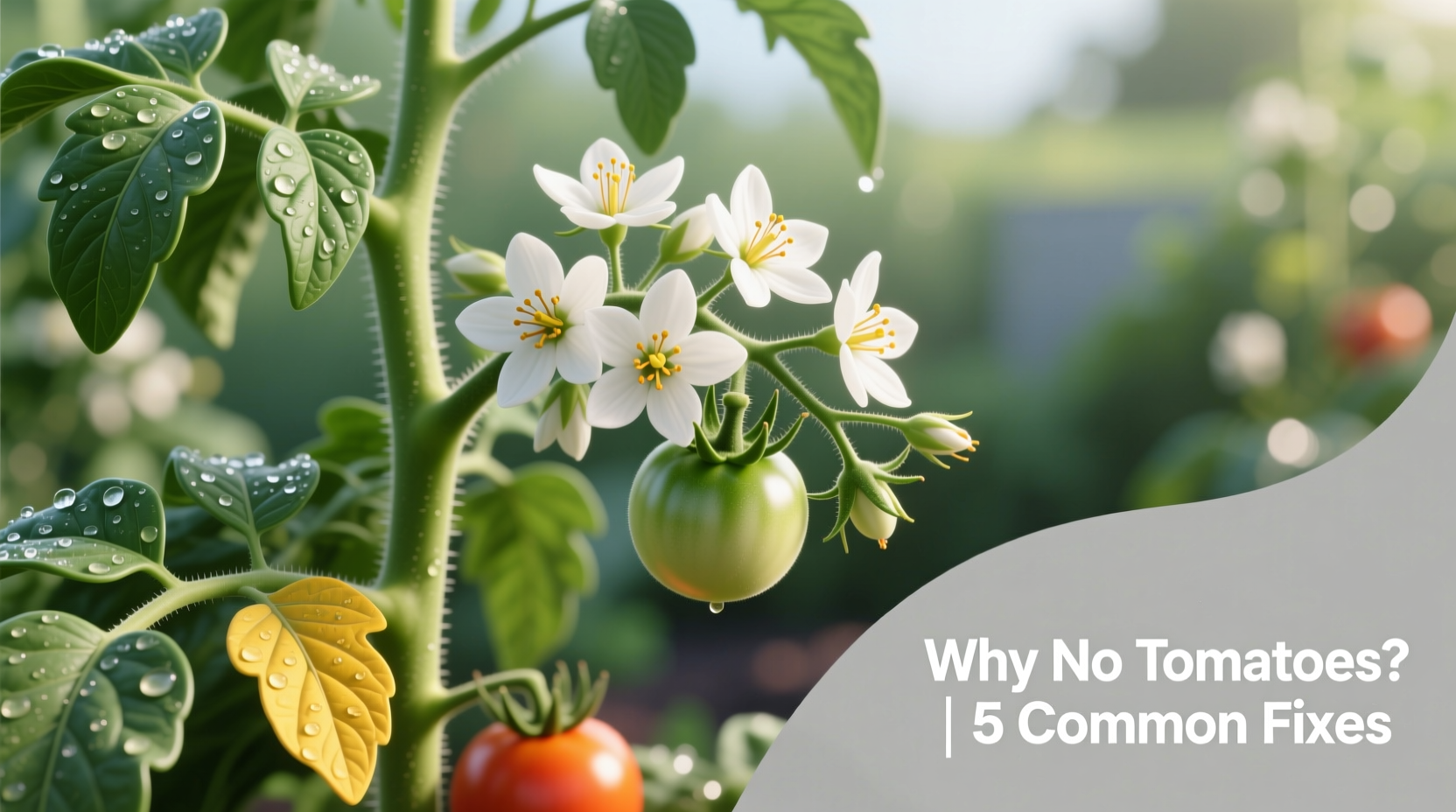
Tomatoes are self-pollinating plants, meaning each flower contains both male and female reproductive organs. In theory, pollen should transfer within the same flower without external help. However, successful fruit development depends on more than just the presence of flowers. It requires effective pollination, favorable environmental conditions, proper nutrition, and plant maturity.
When a tomato flower is successfully pollinated, the ovary at its base begins to swell and develop into a fruit. If this process fails, the flower will yellow and drop off—a phenomenon known as \"blossom drop.\" While some blossom drop is normal, widespread failure indicates an underlying problem.
“Fruit set in tomatoes is highly sensitive to temperature, humidity, and nutrient balance. Even minor imbalances can disrupt pollination.” — Dr. Linda Harper, Horticulturist and Vegetable Crop Specialist
Common Causes of Poor Fruit Set
Several interrelated factors can prevent tomato flowers from turning into fruit. Identifying the root cause is essential before applying corrective measures.
1. Temperature Extremes
Tomatoes thrive in moderate temperatures. Nighttime temperatures below 55°F (13°C) or above 75°F (24°C), and daytime highs exceeding 90°F (32°C), interfere with pollen viability and flower retention. High heat, in particular, causes pollen to become sterile or sticky, preventing proper release and transfer.
2. Inadequate Pollination
Although tomatoes are self-fertile, they still benefit from physical agitation to release pollen. In outdoor gardens, wind and visiting insects like bees provide this. Indoors or in sheltered areas, lack of movement leads to poor pollination. Greenhouse growers often report lower fruit set due to stagnant air.
3. Nutrient Imbalance
Excess nitrogen promotes leafy growth at the expense of fruit production. Plants may look vigorous but remain stuck in vegetative growth. Conversely, deficiencies in phosphorus, potassium, calcium, or boron impair flower development and fruit initiation.
4. Improper Watering
Inconsistent moisture stresses plants, leading to blossom drop. Overwatering suffocates roots, while underwatering limits nutrient uptake. Both extremes disrupt hormonal balance needed for fruit set.
5. High Humidity or Low Humidity
Humidity levels above 90% cause pollen to clump and stick, making it immobile. Below 40%, pollen dries out too quickly and fails to germinate. Ideal humidity ranges between 60–70% for optimal pollination.
Step-by-Step Fixes to Encourage Fruiting
Follow this systematic approach to diagnose and correct fruiting issues in your tomato plants.
- Monitor Daily Temperatures: Use a simple outdoor thermometer or digital sensor to track day and night temps. If highs exceed 90°F consistently, provide temporary shade cloth during peak sun hours. For cold snaps, use row covers or cloches.
- Improve Air Circulation: Space plants adequately (24–36 inches apart). Prune lower leaves and suckers to enhance airflow and reduce fungal risk. Outdoors, avoid planting near solid fences or walls that block wind.
- Support Natural Pollinators: Avoid broad-spectrum pesticides that harm bees. Plant pollinator-friendly flowers like marigolds, borage, or alyssum nearby to attract beneficial insects.
- Hand-Pollinate Flowers: Use a small electric toothbrush or soft paintbrush to vibrate open flowers early in the morning when pollen is freshest. Touch the center of each flower for 2–3 seconds to dislodge pollen.
- Balanced Fertilization: Switch from high-nitrogen fertilizers to ones higher in phosphorus and potassium once flowering begins. Look for ratios like 5-10-10 or 4-7-7. Apply liquid seaweed or compost tea every two weeks for micronutrient support.
- Water Consistently: Maintain even soil moisture. Water deeply 2–3 times per week rather than daily light sprinkles. Mulch around the base with straw or wood chips to retain moisture and regulate soil temperature.
- Check for Blossom End Rot: Though not directly linked to fruit set, calcium deficiency causing dark spots on young fruit signals broader nutrient imbalance. Add gypsum or lime if soil tests confirm low calcium.
Nutrient Management: Do’s and Don’ts
| Do | Don’t |
|---|---|
| Use phosphorus-rich fertilizer during flowering | Apply high-nitrogen lawn fertilizers near tomatoes |
| Test soil pH annually (ideal range: 6.2–6.8) | Over-fertilize; follow label instructions precisely |
| Add organic matter like compost or worm castings | Ignore signs of nutrient lockout (yellowing, stunting) |
| Supplement with foliar sprays containing boron or kelp | Mix incompatible amendments (e.g., lime + ammonium sulfate) |
Real-World Example: A Home Gardener’s Breakthrough
Sarah, a gardener in central Texas, struggled for two seasons with beautiful tomato vines that never produced fruit. Her plants flowered heavily in June, but by July, all blossoms had dropped. After researching, she realized her drip irrigation was inconsistent, and afternoon temperatures regularly exceeded 98°F. She installed a shade cloth over her raised beds, adjusted her watering schedule to early morning only, and began gently vibrating flowers with an electric toothbrush three times a week. Within two weeks, tiny green fruits appeared. By mid-July, she harvested her first ripe Early Girl tomatoes. “I didn’t realize how much heat stress affected pollination,” she said. “Once I cooled things down and helped the flowers along, everything changed.”
Tips for Container and Indoor Growers
Growing tomatoes in pots or indoors introduces unique challenges. Limited root space, artificial lighting, and poor airflow increase the risk of non-fruiting.
- Choose compact, determinate varieties suited for containers (e.g., 'Patio Princess', 'Tiny Tim').
- Ensure containers are at least 5 gallons in size with drainage holes.
- Place indoor plants near south-facing windows or under full-spectrum grow lights for 8–10 hours daily.
- Manually pollinate using a small fan or gentle shaking technique twice daily during flowering.
- Avoid overpotting—too large a container encourages root zone stagnation.
Preventive Checklist for Future Success
Use this checklist each growing season to minimize fruiting problems before they start:
- ✅ Start seeds indoors 6–8 weeks before last frost date
- ✅ Harden off seedlings gradually before transplanting
- ✅ Test soil pH and amend as needed before planting
- ✅ Space plants properly to allow airflow and sunlight penetration
- ✅ Apply balanced fertilizer—switch to bloom booster at flowering
- ✅ Monitor weather forecasts and protect against extreme temps
- ✅ Hand-pollinate flowers if grown indoors or in greenhouses
- ✅ Mulch soil to maintain consistent moisture and suppress weeds
- ✅ Remove diseased or overcrowded foliage promptly
- ✅ Keep a garden journal to track flowering dates, weather, and interventions
Frequently Asked Questions
Why are my tomato flowers falling off without producing fruit?
Flower drop is typically caused by temperature stress (especially nighttime temps outside 55–75°F), poor pollination, or nutrient imbalance. Check recent weather patterns and your fertilization routine. Hand-pollinating and adjusting watering can often resolve the issue.
Can too much sun prevent tomatoes from fruiting?
While tomatoes need full sun (6–8 hours daily), excessive heat—particularly above 95°F—can sterilize pollen and cause blossom drop. Intense afternoon sun in hot climates may require 30–50% shade cloth during peak summer months.
Should I prune tomato plants that aren’t setting fruit?
Pruning can help redirect energy toward fruiting, especially if the plant is overly bushy. Remove suckers below the first fruit cluster and thin dense foliage. However, avoid heavy pruning during heatwaves, as leaves provide shade to developing fruit and roots.
Final Thoughts and Action Plan
Flowering without fruiting is a solvable challenge. The key lies in observing your plants closely and responding to environmental cues. Most failures stem from fixable conditions—not genetics or irreversible damage. By managing temperature, supporting pollination, balancing nutrients, and maintaining steady watering, you create the ideal environment for fruit set.
Start today: inspect your plants in the morning, note any flower drop, check your fertilizer type, and assess airflow. Implement one or two changes from this guide—such as hand-pollination or mulching—and monitor results over the next 10–14 days. Small adjustments often yield dramatic improvements.
“The best tomato growers aren’t those with perfect conditions—they’re the ones who pay attention and adapt quickly.” — Carlos Mendez, Sustainable Farming Educator




 浙公网安备
33010002000092号
浙公网安备
33010002000092号 浙B2-20120091-4
Comments
No comments yet. Why don't you start the discussion?