
Tough tomato skins can turn what should be a juicy, satisfying bite into an unpleasant chew. Whether you're growing your own tomatoes or buying them from the market, encountering thick, leathery skin is a common frustration. While some varieties naturally have thicker skins, environmental factors, cultivation practices, and harvest timing often play a larger role than many realize. Understanding the root causes allows gardeners and home cooks alike to take actionable steps toward consistently tender-skinned fruit.
Understanding Tomato Skin Function
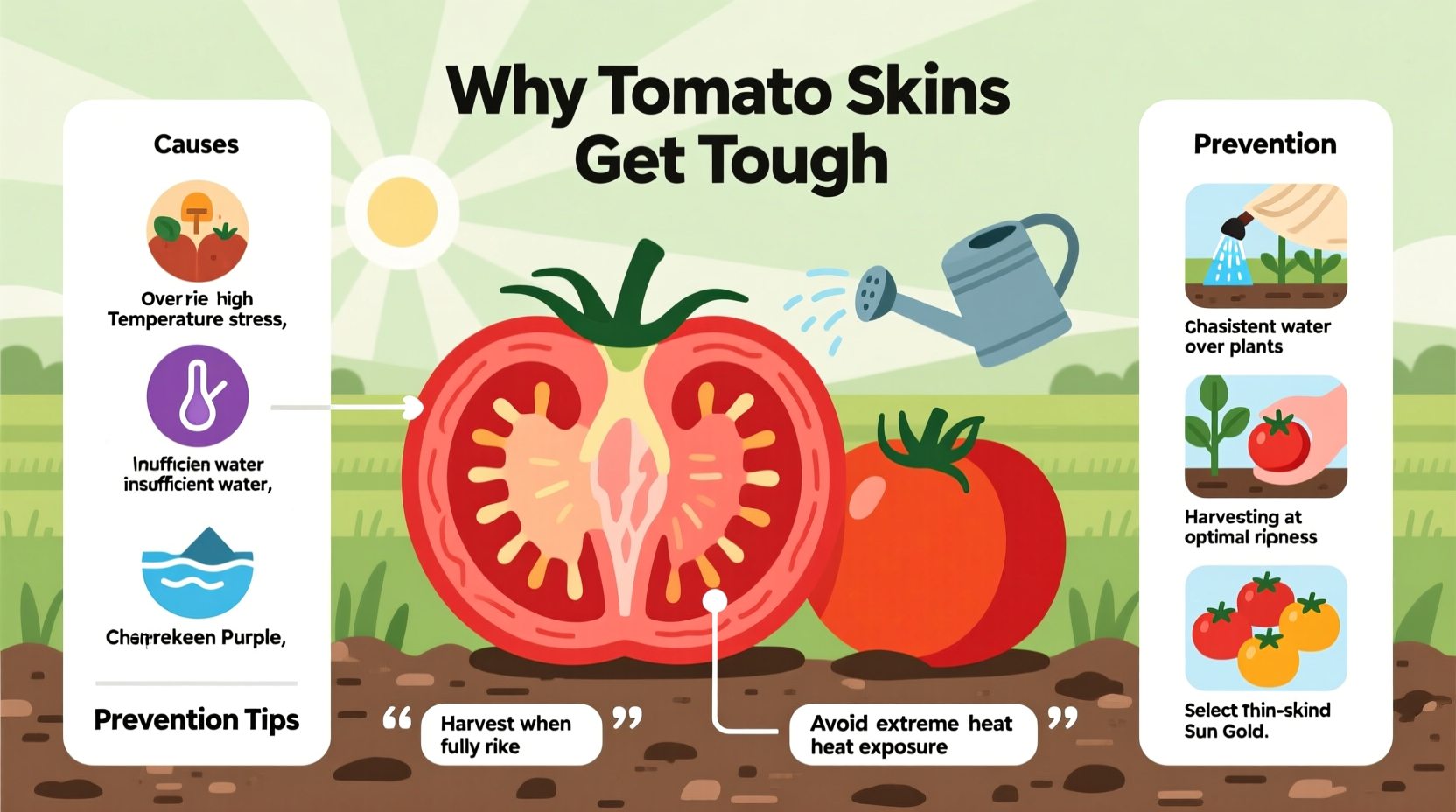
Tomato skin serves as a protective barrier. It shields the soft interior from pests, diseases, and moisture loss. In nature, this adaptation helps the fruit survive long enough to ripen and disperse seeds. However, for human consumption, that same durability can become a drawback—especially in salads, salsas, or fresh sauces where texture matters.
The thickness of tomato skin is influenced by genetics, but it's also highly responsive to external stressors. When a plant senses threats like intense sunlight, drought, or temperature swings, it may produce thicker cuticles (the waxy outer layer) as a defense mechanism. This biological response explains why otherwise promising heirloom varieties sometimes yield unexpectedly tough-skinned fruit.
Primary Causes of Tough Tomato Skins
1. Environmental Stress
Extreme heat and inconsistent watering are among the top culprits. During prolonged hot spells, especially above 90°F (32°C), tomato plants close their stomata and reduce transpiration. To compensate for water loss, they thicken their epidermal layers. Similarly, erratic irrigation—long dry periods followed by heavy watering—causes rapid expansion of the inner flesh, stretching the skin and prompting it to toughen over time.
2. Excessive Sun Exposure (Sunscald)
While tomatoes need ample sunlight to ripen, too much direct exposure, particularly in regions with high UV intensity, can lead to sunscald. In response, the plant produces thicker, tougher skin to protect the fruit. This is often seen on fruits exposed due to sparse foliage or improper pruning.
3. Variety Selection
Not all tomatoes are created equal. Commercial hybrid varieties such as 'Celebrity' or 'Mountain Magic' are bred for shipping durability and shelf life—traits that often come at the expense of tenderness. These types typically have thicker skins compared to heirloom or cherry varieties bred primarily for flavor and texture.
4. Premature Harvesting
Harvesting tomatoes before they fully ripen on the vine can result in firmer, more resilient skins. As tomatoes mature, enzymes break down certain cell wall components, including those in the skin. Picking too early interrupts this process, leaving behind stubbornly tough exteriors.
5. Nutrient Imbalance
Soil deficiencies or excesses—particularly in calcium and potassium—can alter fruit development. High nitrogen levels promote leafy growth at the expense of balanced fruit quality, while insufficient calcium has been linked to irregular cell structure, potentially contributing to uneven skin texture.
“Thick skins aren’t always genetic. Often, they’re a symptom of environmental stress. The plant is trying to survive—we need to create conditions where it doesn’t have to.” — Dr. Linda Harper, Horticulturist, University of California Cooperative Extension
Prevention Tips for Growing Tender-Skinned Tomatoes
With proper care and planning, you can significantly reduce the likelihood of tough tomato skins—even in challenging climates.
1. Choose the Right Varieties
Select cultivars known for thin, delicate skins. Heirlooms generally outperform hybrids in this regard, though some modern disease-resistant hybrids have improved texture.
2. Maintain Consistent Watering
Irrigate deeply and regularly. Aim for 1–2 inches of water per week, adjusting for rainfall. Use drip irrigation or soaker hoses to deliver moisture directly to roots and avoid wetting foliage. Mulching with straw or compost helps retain soil moisture and regulate temperature.
3. Provide Partial Shade During Heatwaves
In areas prone to extreme summer heat, use shade cloth (30–50%) during peak afternoon hours. This reduces sun exposure without compromising photosynthesis. Alternatively, ensure adequate leaf cover by avoiding over-pruning.
4. Harvest at Peak Ripeness
Wait until tomatoes are uniformly colored and slightly soft to the touch. They should detach easily with a gentle twist. Allowing full vine ripening enables natural enzymatic softening of the skin.
5. Optimize Soil Nutrition
Test your soil before planting. Aim for balanced fertility with moderate nitrogen, sufficient phosphorus for root and fruit development, and adequate potassium and calcium. Consider adding gypsum if calcium is low but pH is already optimal (6.2–6.8).
Practical Checklist for Better Tomato Texture
- ☐ Test soil pH and nutrient levels before planting season
- ☐ Choose thin-skinned tomato varieties suited to your climate
- ☐ Install drip irrigation or soaker hoses for consistent watering
- ☐ Apply organic mulch around base of plants to conserve moisture
- ☐ Use shade cloth during heatwaves exceeding 90°F (32°C)
- ☐ Avoid excessive pruning—maintain foliage to shade fruit naturally
- ☐ Harvest only when fully ripe and easily detached from stem
- ☐ Store harvested tomatoes at room temperature, away from direct sun
Do’s and Don’ts: Managing Tomato Skin Quality
| Do | Don't |
|---|---|
| Grow heirloom or cherry types known for tender skin | Rely solely on commercial hybrids bred for transport |
| Water deeply and consistently, especially during fruiting | Allow soil to dry out completely between waterings |
| Use organic mulch to stabilize soil moisture and temperature | Leave soil bare and exposed to sun and wind |
| Provide afternoon shade in extremely hot climates | Expose fruit directly to midday sun without protection |
| Harvest when color is full and fruit yields slightly to pressure | Pick green or firm tomatoes unless necessary for pest control |
Real Example: A Home Gardener’s Turnaround
Sarah, a gardener in central Texas, struggled for years with tough-skinned Roma tomatoes despite careful tending. Her plants looked healthy and produced abundantly, but the fruit had to be peeled for sauces and was nearly inedible raw. After consulting her local extension office, she made three key changes: switched to 'Sun Sugar' cherry tomatoes, installed a drip irrigation system with timer controls, and began using 30% shade cloth during July and August. Within one growing season, her tomatoes were noticeably juicier with skins soft enough to eat comfortably. “I didn’t realize how much stress I was putting the plants under,” she said. “Now they taste like summer should.”
Frequently Asked Questions
Can I remove tomato skins after harvesting?
Yes. Blanching is the most effective method: score an “X” on the bottom of each tomato, plunge into boiling water for 30–60 seconds, then transfer to ice water. The skins will slip off easily. This works well for cooking applications like sauces or soups.
Why do store-bought tomatoes often have tougher skins?
Commercial tomatoes are typically bred and grown for durability during transport and extended shelf life. Thicker skins resist cracking and bruising during packing and shipping. Locally grown, vine-ripened tomatoes usually have thinner skins because they don’t endure long-distance handling.
Does peeling tomatoes reduce nutritional value?
Tomato skins contain fiber, antioxidants like lycopene, and flavonoids. Peeling removes these beneficial compounds, though the flesh still provides vitamins C and K, potassium, and additional lycopene (which becomes more bioavailable when cooked). For maximum nutrition, eat unpeeled when texture permits.
Final Thoughts: From Tough to Tasty
Tough tomato skins are rarely inevitable. More often, they signal imbalances in variety choice, environment, or care routine. By selecting appropriate cultivars, maintaining steady moisture, protecting against extreme conditions, and harvesting at the right time, you can enjoy tomatoes that are not only flavorful but also pleasant to eat fresh. Whether you're growing in a backyard garden or choosing produce at a farmers’ market, paying attention to these details transforms your experience—one delicious bite at a time.




 浙公网安备
33010002000092号
浙公网安备
33010002000092号 浙B2-20120091-4
Comments
No comments yet. Why don't you start the discussion?