
If you’ve noticed moisture forming on the inside of your windows—especially in the morning or during colder months—you’re not alone. Interior window condensation is a common household issue that affects homes across climates. While a little fogging might seem harmless, persistent wetness can lead to mold growth, damaged window frames, peeling paint, and poor indoor air quality. Understanding the root causes and knowing how to address them effectively is essential for maintaining a healthy, comfortable home.
The Science Behind Window Condensation
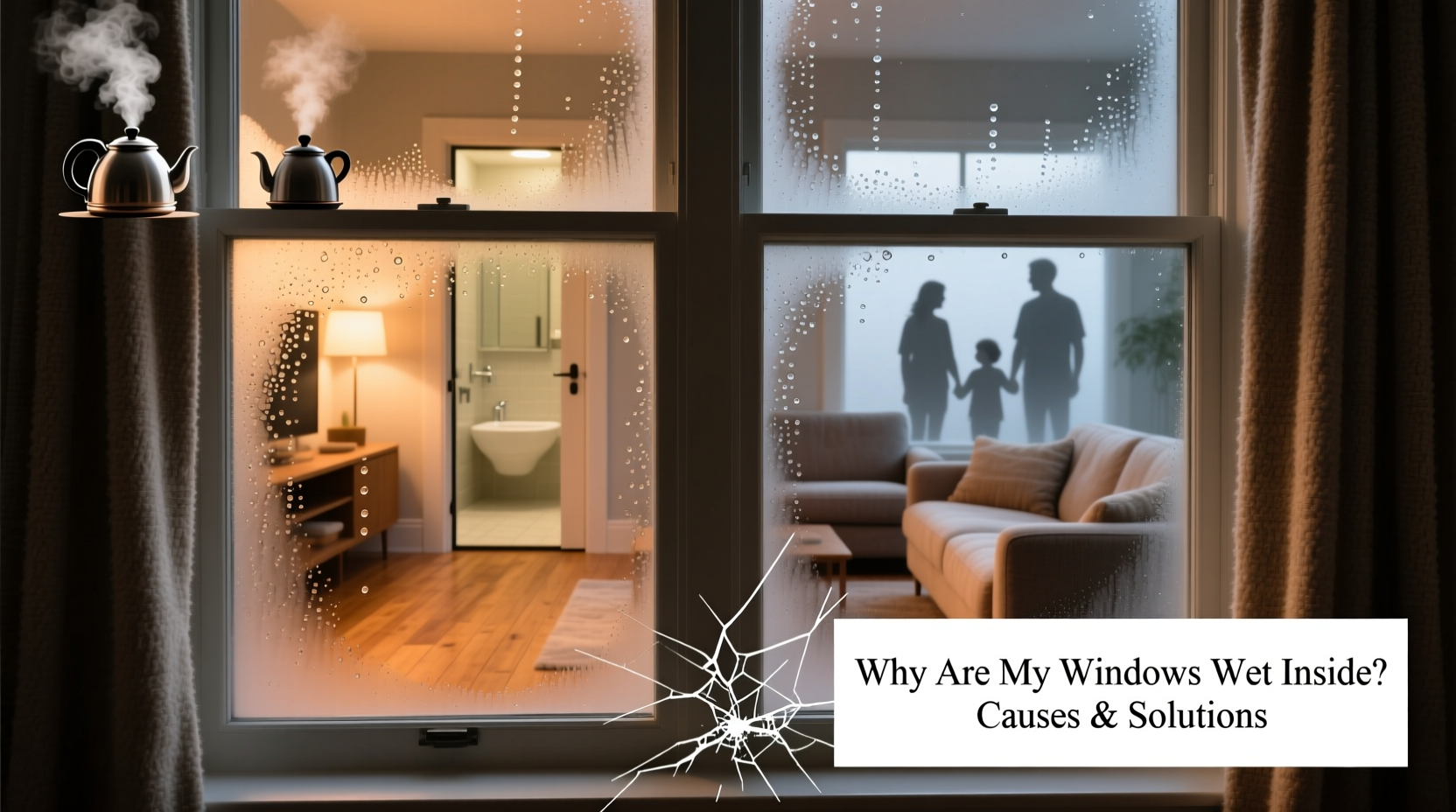
Condensation occurs when warm, moist air comes into contact with a cooler surface—like glass. When the temperature of the glass drops below the dew point (the temperature at which air becomes saturated with moisture), water vapor turns into liquid droplets. This is why condensation typically appears on windows during winter: indoor air is warm and humid, while the window pane remains cold due to outdoor temperatures.
This process is natural but becomes problematic when it happens frequently or in large amounts. The presence of visible moisture indoors signals high humidity levels, inadequate ventilation, or insufficient insulation—all of which need attention to prevent long-term damage.
“Window condensation isn’t just a nuisance—it’s a warning sign of excess indoor humidity, which can compromise both structural integrity and occupant health.” — Dr. Alan Pierce, Indoor Air Quality Specialist
Common Causes of Wet Windows Inside
Several factors contribute to interior window condensation. Identifying the primary cause in your home is the first step toward an effective solution.
- High indoor humidity: Daily activities like cooking, showering, laundry, and even breathing release moisture into the air. Without proper ventilation, this moisture accumulates.
- Poor ventilation: Modern, energy-efficient homes are tightly sealed, which traps moisture indoors. Bathrooms and kitchens without exhaust fans worsen the problem.
- Cold window surfaces: Single-pane windows or older double-pane units conduct cold from outside, making the interior glass much cooler and more prone to condensation.
- Temperature differences: Large gaps between indoor and outdoor temperatures increase the likelihood of condensation, especially in early morning hours.
- Houseplants and humidifiers: While beneficial for comfort and aesthetics, overuse of humidifiers or keeping too many indoor plants can significantly raise moisture levels.
Solutions to Stop Interior Window Moisture
Reducing or eliminating window condensation requires a combination of humidity control, improved airflow, and better window performance. Here’s what works.
1. Control Indoor Humidity Levels
Keep relative humidity between 30% and 50%, depending on outdoor temperature. Use a hygrometer (humidity monitor) to track levels in key rooms.
- Turn down or turn off whole-house humidifiers during winter.
- Avoid boiling water unnecessarily on stovetops.
- Limit the number of indoor plants, especially in bedrooms and bathrooms.
2. Improve Ventilation
Fresh air exchange removes excess moisture before it settles on cold surfaces.
- Run bathroom exhaust fans during and 20 minutes after showers.
- Use kitchen range hoods when cooking, especially with lids on pots.
- Open windows briefly each day to allow cross-ventilation, even in winter.
- Ensure dryer vents are clean and properly ducted to the outside.
3. Upgrade Window Insulation
Double- or triple-pane windows with low-emissivity (Low-E) coatings reduce heat transfer and keep interior glass warmer, minimizing condensation.
If replacement isn’t feasible, consider:
- Installing storm windows for added insulation.
- Using thermal curtains or insulating window films.
- Applying weatherstripping to seal air leaks around frames.
4. Use a Dehumidifier
In basements, laundry rooms, or bedrooms where moisture builds up, portable or whole-house dehumidifiers can make a dramatic difference. Aim to maintain consistent humidity levels year-round.
| Indoor Temperature | Recommended Max Humidity | Risk Level Above This |
|---|---|---|
| 70°F (21°C) | 50% | Moderate |
| 60°F (15.5°C) | 40% | High |
| 50°F (10°C) | 35% | Very High |
| 40°F (4.5°C) | 30% | Severe |
Step-by-Step Guide to Reducing Window Condensation
- Monitor humidity: Place a hygrometer in commonly affected rooms to get baseline readings.
- Identify moisture sources: Track activities that add humidity—showers, cooking, drying clothes indoors.
- Improve airflow: Turn on exhaust fans, open windows briefly, and ensure air registers aren’t blocked.
- Adjust humidifiers: Set whole-house models to auto or lower settings based on outdoor temps.
- Upgrade window treatments: Install insulated curtains or apply anti-condensation film.
- Seal air leaks: Use caulk or weatherstripping around window frames to reduce cold infiltration.
- Consider window replacement: If problems persist, invest in energy-efficient, double-glazed units.
Real-World Example: A Homeowner’s Fix
Jessica from Minneapolis noticed heavy condensation on her bedroom windows every winter morning. Water pooled on the sill, warping the wood over time. After consulting an HVAC technician, she discovered her furnace-mounted humidifier was set too high—maintaining 60% humidity despite sub-zero outdoor temperatures. She adjusted it to 35%, started using a bathroom fan consistently, and installed thermal blackout curtains. Within two weeks, the condensation disappeared, and indoor air felt fresher. A year later, no signs of mold or wood damage appeared.
Checklist: Preventing Window Condensation
- ✅ Measure indoor humidity with a hygrometer
- ✅ Run exhaust fans in bathrooms and kitchens
- ✅ Avoid drying clothes indoors
- ✅ Clean and inspect window seals annually
- ✅ Use a dehumidifier in damp areas
- ✅ Keep window coverings open during daylight for airflow
- ✅ Upgrade to energy-efficient windows if condensation persists
Frequently Asked Questions
Is interior window condensation dangerous?
Occasional light condensation is normal, but persistent moisture can lead to mold growth, wood rot, and respiratory issues. It’s a sign that humidity levels need correction.
Can new windows still have condensation?
Yes. Even high-quality windows can develop interior condensation if indoor humidity is too high. New windows may actually reveal existing moisture problems previously masked by drafty old ones.
Why do only some windows get wet?
This often indicates localized issues—such as poor insulation around a specific window, nearby heat sources affecting airflow, or differences in room usage (e.g., a bedroom vs. a living room).
Final Thoughts and Action Steps
Wet windows inside are more than just a visual annoyance—they reflect deeper environmental conditions within your home. By managing humidity, improving ventilation, and upgrading building components where necessary, you can eliminate condensation and protect your property and health.
The best approach combines small daily habits with strategic upgrades. Start today by checking your home’s humidity level and turning on exhaust fans. Over time, these actions will create a drier, healthier indoor environment. Don’t wait until mold appears or wood starts to decay—act now to keep your windows clear and your home safe.




 浙公网安备
33010002000092号
浙公网安备
33010002000092号 浙B2-20120091-4
Comments
No comments yet. Why don't you start the discussion?