
Oat milk lattes have surged from niche alternative drink to mainstream café staple in just a few years. Whether you're sipping one at a specialty coffee shop or crafting your own at home, the appeal is clear: rich texture, subtle sweetness, and a plant-based profile that aligns with modern dietary preferences. But what exactly has fueled this rapid rise? And more importantly, can you replicate that velvety, café-style experience without expensive equipment? The answer is yes—and understanding both the cultural momentum and the science behind the drink makes all the difference.
The Rise of the Oat Milk Latte
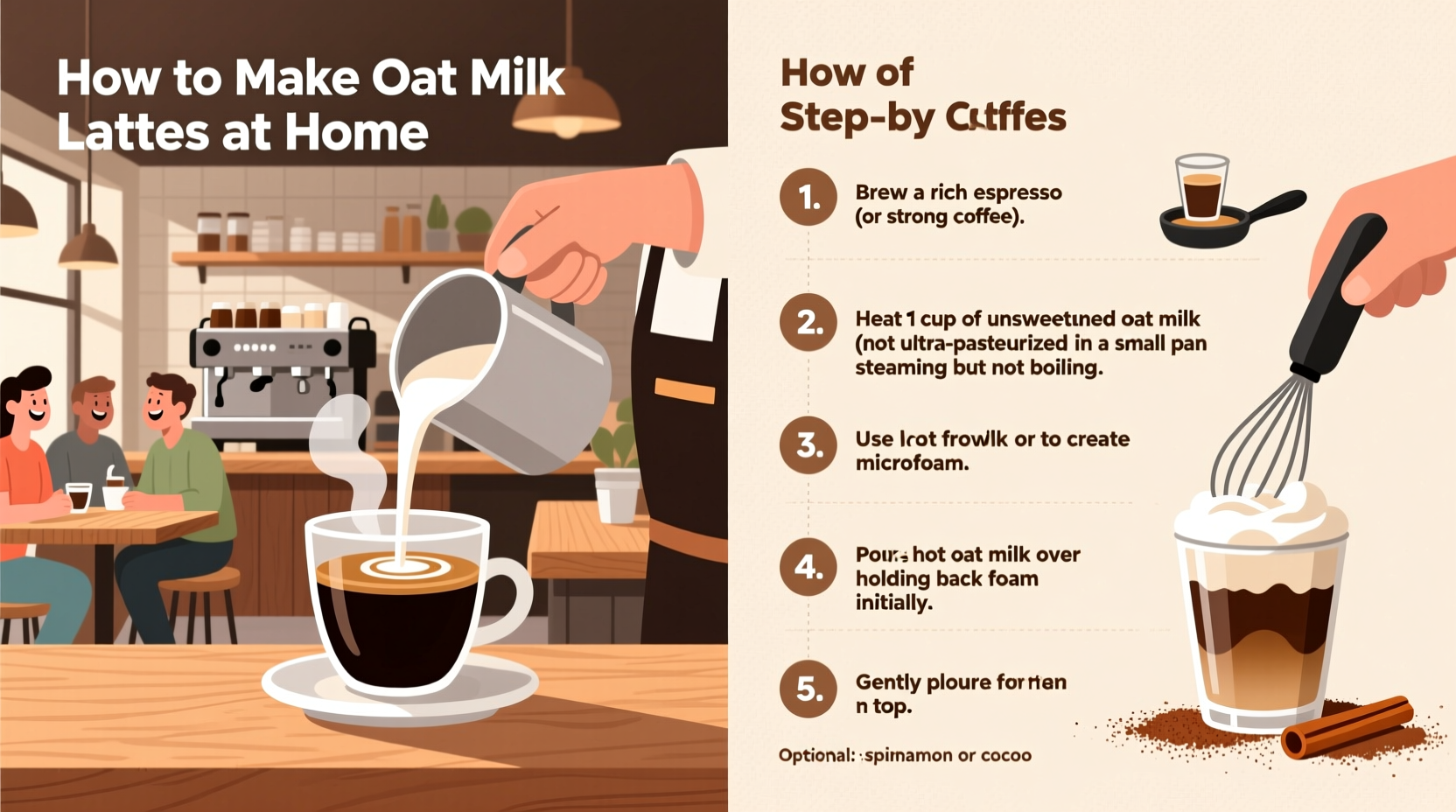
The popularity of oat milk lattes didn’t happen overnight. It emerged from a confluence of health trends, environmental awareness, and sensory appeal. Unlike earlier plant-based milks—such as soy or almond—oat milk delivers a naturally creamy mouthfeel and mild, slightly sweet flavor that complements espresso rather than overpowering it. This balance makes it ideal for lattes, where harmony between milk and coffee is essential.
Baristas began noticing oat milk’s superior performance in steaming and frothing compared to other non-dairy options. Its higher starch content allows it to emulsify smoothly under heat, creating microfoam similar to whole dairy milk. Major brands like Oatly capitalized on this by positioning their product specifically for coffee use, even including “barista edition” formulations optimized for temperature stability and foam retention.
Cafés responded quickly. Chains such as Starbucks, Costa Coffee, and independent roasteries added oat milk as a default non-dairy option, often charging a premium. Consumer demand followed: according to market research firm Nielsen, oat milk sales grew by over 150% between 2019 and 2021 in the U.S., outpacing all other milk alternatives.
Why Oat Milk Works So Well in Lattes
The success of oat milk in lattes isn’t just about taste—it’s rooted in food science. When oats are processed into milk, enzymes break down some of the complex carbohydrates into simpler sugars, particularly maltose. This natural sweetness enhances flavor without added sugar, reducing the need for syrups or sweeteners.
Additionally, the protein and fat content in fortified oat milk (especially barista editions) contributes to thermal stability. When steamed correctly, these components help trap air bubbles uniformly, resulting in a silky microfoam. In contrast, many almond or rice milks lack sufficient protein and tend to separate or become watery when heated.
Oat milk also behaves better in acidic environments. Espresso has a low pH, which can cause some plant milks to curdle. Oat milk’s composition buffers this reaction, maintaining a smooth consistency even when poured directly into hot espresso.
“Oat milk strikes a rare balance: it’s neutral enough not to clash with nuanced coffee profiles, yet rich enough to add body. That’s why it’s become the gold standard among plant-based options.” — Lena Torres, Coffee Sensory Analyst at Nordic Roast Lab
How to Make a Perfect Oat Milk Latte at Home
You don’t need a commercial espresso machine to enjoy a high-quality oat milk latte. With basic tools and attention to technique, you can produce a drink that rivals your favorite café’s version. The key lies in three elements: coffee strength, milk texture, and timing.
Start by selecting freshly ground medium-to-dark roast beans. The deeper flavor profile stands up well to the mild sweetness of oat milk. Use an espresso-style extraction method if possible—this includes Moka pots, AeroPress, or Nespresso machines. If using drip coffee, concentrate it slightly by reducing water volume to avoid dilution.
For the milk, cold barista-grade oat milk performs best. Warm it gently to around 140–155°F (60–68°C). Exceeding this range risks scorching the sugars and degrading the texture. While steaming with a wand gives optimal results, several accessible methods achieve good foam at home.
Step-by-Step Guide to Homemade Oat Milk Latte
- Brew strong coffee or espresso: Aim for 1–2 shots (30–60ml) of concentrated coffee. Let it rest briefly to stabilize temperature.
- Heat the oat milk: Pour 6–8 oz (180–240ml) into a small saucepan. Warm over medium heat until steam rises but before boiling. Alternatively, microwave for 60–90 seconds.
- Froth the milk: Use one of the following tools:
- French press: Transfer warm milk to a clean French press and pump the plunger rapidly for 15–20 seconds.
- Handheld milk frother: Submerge the whisk in warmed milk and activate for 20–30 seconds.
- Jar method: Pour milk into a sealed glass jar, shake vigorously for 30 seconds, then remove lid and microwave for 30 seconds to stabilize foam.
- Combine: Pour espresso into a pre-warmed mug. Slowly add frothed oat milk, holding back foam with a spoon initially, then spooning the foam on top.
- Serve immediately: Enjoy while hot for the fullest flavor and texture.
Common Mistakes and How to Avoid Them
Even with the right ingredients, poor technique can ruin an otherwise promising latte. Below are frequent errors and practical fixes:
| Mistake | Why It Happens | How to Fix |
|---|---|---|
| Oat milk curdles in coffee | Temperature shock or low-quality milk | Warm milk slightly before adding; use barista blend; pour coffee slowly into milk, not vice versa |
| Flat, watery texture | Under-frothing or overheating | Froth longer; avoid boiling; use fresh, chilled oat milk |
| Too sweet or bland | Natural sweetness masks coffee notes | Choose unsweetened barista blend; pair with bold, chocolatey coffee |
| Foam collapses quickly | Poor emulsification or old milk | Check expiration date; ensure milk contains sunflower oil or dipotassium phosphate for stability |
Real Example: From Bitter Brews to Café-Quality at Home
Sophie, a graphic designer in Portland, used to rely on her morning stop at a local coffee bar for her oat milk latte. After switching to remote work, she missed the ritual—and the cost of daily takeout added up fast. She decided to experiment at home, starting with regular oat milk and a handheld frother. Her first attempts resulted in separated milk and weak coffee.
After researching online, she switched to a barista blend and began brewing with an AeroPress using a fine grind. She warmed the oat milk gently on the stove and frothed it with her frother for a full 30 seconds. The difference was immediate: richer body, stable foam, and a balanced flavor that reminded her of her favorite café. Now, she prepares her latte in under ten minutes each morning, saving over $150 a month.
“I didn’t realize how much control I could have,” she said. “Now I adjust the strength depending on how tired I am. Some days it’s extra bold, others more milky. It feels personal.”
Customizing Your Oat Milk Latte
One reason oat milk lattes remain popular is their versatility. Because oat milk has a neutral-sweet base, it pairs well with a wide range of flavors. Here are a few easy customizations to try:
- Vanilla spice latte: Add a drop of pure vanilla extract and a pinch of cinnamon to the milk before heating.
- Chocolate oat latte: Stir in a teaspoon of cocoa powder or dark chocolate shavings into the espresso shot before adding milk.
- Iced oat milk latte: Brew strong coffee, chill it, then pour over ice. Top with cold, unheated oat milk and stir well.
- Golden latte variation: Skip the coffee and infuse warm oat milk with turmeric, ginger, black pepper, and a touch of maple syrup.
FAQ
Can I make an oat milk latte without espresso?
Absolutely. Strong brewed coffee, Moka pot coffee, or even instant espresso granules can serve as a base. Just ensure the coffee is concentrated enough to stand up to the volume of milk.
Why does my oat milk taste slimy sometimes?
This usually occurs when oat milk is overheated or reheated multiple times. The starches gelatinize excessively, creating a viscous texture. Always heat gently and avoid boiling.
Is homemade oat milk suitable for lattes?
Homemade versions often lack the fat and stabilizers needed for proper frothing and may curdle more easily. For best results, use commercially produced barista blends. If making your own, consider adding a small amount of sunflower oil or lecithin to improve texture.
Essential Checklist for a Great Oat Milk Latte
- ✅ Use barista-grade oat milk
- Look for added oils and stabilizers for better foam and heat resistance.
- ✅ Heat milk to 140–155°F
- Use a thermometer or test with your finger—hot but not scalding.
- ✅ Froth thoroughly
- Invest in a handheld frother or use a French press for consistent microfoam.
- ✅ Brew strong coffee
- Espresso, AeroPress, or Moka pot yield the best concentration.
- ✅ Combine gradually
- Pour milk slowly into coffee to maintain layering and temperature balance.
- ✅ Serve immediately
- Texture and aroma degrade quickly once made.
Conclusion: Elevate Your Morning Ritual
The oat milk latte’s popularity stems from more than trendiness—it represents a shift toward mindful consumption, where taste, texture, and ethics intersect. What began as a dairy alternative has evolved into a culinary benchmark for plant-based beverages. The good news is that replicating this experience at home doesn’t require barista certification or costly gear. With the right oat milk, a bit of technique, and attention to detail, you can craft a satisfying latte that fits your lifestyle and budget.
Start tomorrow morning with a simple version: brew a strong shot, warm your oat milk, and froth with confidence. Tweak the recipe over time—adjust sweetness, try new roasts, explore seasonal flavors. The perfect oat milk latte isn’t found in a café; it’s the one you make yourself, tailored to your taste, one sip at a time.




 浙公网安备
33010002000092号
浙公网安备
33010002000092号 浙B2-20120091-4
Comments
No comments yet. Why don't you start the discussion?