
The once-familiar ritual of walking into a game store, browsing shelves lined with colorful boxes, and bringing home a tangible copy of the latest release is fading. Physical video games—cartridges, discs, and boxed editions—are on the decline, replaced by digital downloads and online storefronts. While this shift brings convenience, it also raises urgent questions about ownership, preservation, and control. As more players transition to digital libraries, many wonder: Is digital ownership actually a trap?
This transformation isn’t sudden. Over the past decade, digital distribution platforms like Steam, PlayStation Store, Xbox Live, and Nintendo eShop have steadily gained dominance. Meanwhile, major publishers and console manufacturers are reducing physical production, citing cost, logistics, and consumer preference. But beneath the surface lies a deeper tension between accessibility and autonomy—one that could reshape how we experience and preserve interactive entertainment.
The Decline of Physical Game Media
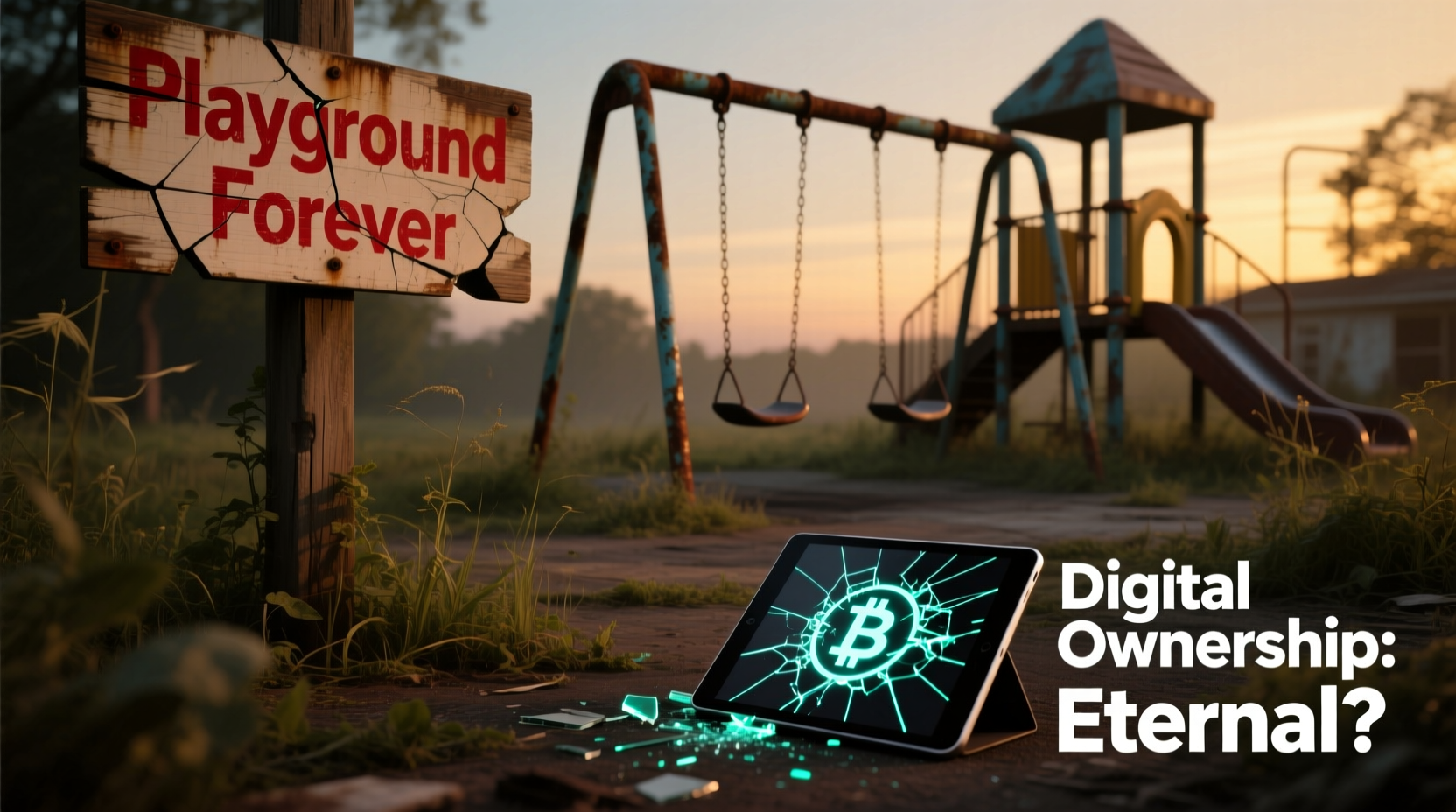
Physical games were once the backbone of the gaming industry. From floppy disks in the 1980s to Blu-ray discs in the 2020s, physical media offered durability, resale value, and long-term access. However, several factors have accelerated their decline:
- Distribution costs: Manufacturing, shipping, and retail partnerships are expensive. Digital delivery eliminates these overheads.
- Instant access: Gamers no longer need to wait for shipments or drive to stores. With a few clicks, they can begin playing immediately after release.
- Console integration: Modern consoles prioritize digital purchases, often offering incentives like discounts or early unlocks for buying digitally.
- Environmental concerns: Reducing plastic, packaging, and transportation aligns with corporate sustainability goals.
Some developers now release games exclusively through digital storefronts. Even when physical copies exist, they’re often limited editions or collector’s items priced far above standard retail. This exclusivity signals a shift: physical media is becoming a niche product, not the norm.
Digital Ownership: Convenience at What Cost?
Digital ownership sounds straightforward—you buy a game, download it, and it's yours. But legally and technically, this is misleading. When you \"buy\" a digital game, you're typically purchasing a license to use it under specific terms set by the platform holder. You don’t own the file in the way you own a book or a vinyl record. Instead, your access depends on servers, accounts, and ongoing corporate policies.
This model creates vulnerabilities. Games can disappear from storefronts due to licensing expirations, publisher disputes, or platform shutdowns. For example, in 2023, numerous classic Star Wars titles were delisted across multiple platforms following changes in Lucasfilm’s licensing agreements. Players who had never downloaded them lost access entirely. Even those who owned them previously faced uncertainty if they needed to reinstall.
“Digital ownership is really just rental with indefinite duration—until the company decides otherwise.” — Dr. Rebecca Lin, Digital Archivist and Media Preservation Researcher
The lack of permanence undermines one of gaming’s core cultural values: the ability to revisit and preserve history. Unlike books or films, which can survive for centuries in physical form, digital-only games risk obsolescence within years.
Preservation Challenges in a Digital Age
Game preservation has always been difficult due to hardware dependencies, but digital distribution compounds the problem. Museums, researchers, and fans struggle to archive games when they exist only on proprietary platforms with strict anti-piracy measures.
Consider the case of Flower, Sun, and Rain, a cult classic released on the Nintendo DS. After its digital re-release on the 3DS eShop, the title vanished when Nintendo shut down the service in 2023. No official way exists to play it legally today. This isn't an isolated incident. Hundreds of indie and niche titles face similar fates as storefronts close or update DRM systems.
Organizations like the Internet Archive have begun efforts to preserve playable versions of obsolete games, but legal barriers limit their scope. Without clear rights to distribute abandoned software, even preservation becomes a gray-area activity.
Mini Case Study: The Closure of the Wii Shop Channel
In 2019, Nintendo discontinued the Wii Shop Channel, ending the ability to purchase or re-download Virtual Console and WiiWare titles. While users who had already bought games could redownload them until 2023, the final shutdown meant that any lost data—due to console failure or account issues—was irrecoverable.
One user, Mark T., reported losing his entire library of 40+ downloaded games after a system crash. Despite owning a Wii for over a decade and having purchased every title legitimately, he had no backup method. “I paid full price for these,” he said. “But when the servers went dark, so did my collection.”
This story illustrates a fundamental flaw in digital-only models: individual ownership is fragile and dependent on infrastructure beyond the user’s control.
Do’s and Don’ts of Digital Game Ownership
| Do | Don’t |
|---|---|
| Regularly back up save files using cloud or external storage where possible. | Assume your purchased games will always be available for re-download. |
| Keep records of purchase receipts and order numbers. | Rely solely on platform-provided libraries as permanent archives. |
| Support developers who offer DRM-free downloads or physical releases. | Delete games immediately after playing, assuming you can redownload them later. |
| Use open-source tools like RetroArch or emulator-compatible dumps (where legally allowed) for personal backups. | Share login credentials or attempt unauthorized redistribution, even for personal use. |
Taking Control: A Step-by-Step Guide to Protecting Your Game Library
If you want to maintain true ownership over your games—digital or physical—follow this practical timeline to safeguard your collection:
- Inventory Your Collection (Week 1): List all games you own, noting format (physical/digital), platform, and purchase date. Use spreadsheets or dedicated apps like Backloggery or Notion.
- Secure Purchase Proof (Week 2): Export receipts from email confirmations, platform histories (Steam, PSN, etc.), and credit card statements. Store them in encrypted cloud storage or offline drives.
- Back Up Saves and Data (Ongoing): Enable cloud saves where available. For platforms without robust backup (e.g., older consoles), explore homebrew tools or hardware solutions like modded SD cards.
- Acquire Physical Copies When Possible (Ongoing): Prioritize physical editions of games you love. Check retailers like GameStop, local shops, or auction sites. Look for “game only” listings to avoid inflated bundle prices.
- Explore DRM-Free Platforms (Monthly): Support services like GOG.com, which sells classic and modern PC games without restrictive DRM. These can often be installed and backed up freely.
- Stay Informed About Platform Changes (Quarterly): Subscribe to newsletters from console makers and follow gaming news sources. Knowing about upcoming store closures or policy shifts gives you time to act.
Is There a Future for Physical Gaming?
Despite the trend toward digitization, physical games aren’t dead. They persist in key areas:
- Collectors and enthusiasts: Limited-run physical editions from companies like Limited Run Games command high resale values and foster community engagement.
- Resale markets: Used game sales remain popular, especially in regions with limited internet access or high data costs.
- Region-specific demand: In countries like Japan and parts of Latin America, physical media remains dominant due to infrastructure and cultural preferences.
However, mainstream support continues to wane. Sony and Microsoft have released digital-only console variants. Nintendo has reduced Switch cartridge production for smaller titles. Even game packaging has shrunk—many new releases include only a download code, not a disc.
The reality is that physical media will likely become a premium, specialty product rather than the default. For most consumers, digital is cheaper and easier. But ease should not come at the expense of rights.
Frequently Asked Questions
Can I truly own a digital game?
No—not in the traditional sense. You own a license to access the game under the platform’s terms. The company retains control over availability, updates, and server support. If the service shuts down, your access may end.
Are physical games better for long-term preservation?
Yes. Discs, cartridges, and manuals can last decades if stored properly. They don’t require active servers or authentication, making them more resilient to technological change and corporate decisions.
What happens to my digital games if a platform shuts down?
You may lose access permanently. Some companies allow redownloads for a period after closure, but eventually, servers go offline. Once that happens, reinstallation becomes impossible unless third-party preservation methods exist.
Conclusion: Reclaiming Ownership in a Digital World
The disappearance of physical games reflects broader shifts in how we consume media—from music to movies to software. While digital distribution offers undeniable benefits, it demands a critical eye. True ownership means more than convenience; it means control, longevity, and freedom from dependency on distant corporations.
As players, we must advocate for better digital rights, support preservation initiatives, and make conscious choices about how we build our libraries. Whether through collecting physical copies, backing DRM-free developers, or demanding transparency from platforms, we can push back against the erosion of ownership.




 浙公网安备
33010002000092号
浙公网安备
33010002000092号 浙B2-20120091-4
Comments
No comments yet. Why don't you start the discussion?