
For generations, fine art has carried an aura of exclusivity—reserved for galleries, collectors, and the wealthy elite. But within this world, one form consistently breaks down those barriers: the print. Whether it’s a lithograph by Picasso, a screenprint by Warhol, or a limited-run etching from an emerging artist, prints have long served as a bridge between high art and everyday people. Their affordability isn’t just a side effect—it’s central to their purpose. Prints democratize art, making ownership, collection, and appreciation possible for a much wider audience.
The accessibility of prints stems from both practical production methods and cultural shifts in how we view artistic value. Unlike unique paintings or sculptures, prints are inherently reproducible, allowing artists to share their work more widely without sacrificing creative integrity. This article explores the economic, artistic, and social reasons behind print affordability and why that matters for art lovers, new collectors, and cultural equity.
The Economics of Printmaking: Why Costs Stay Low
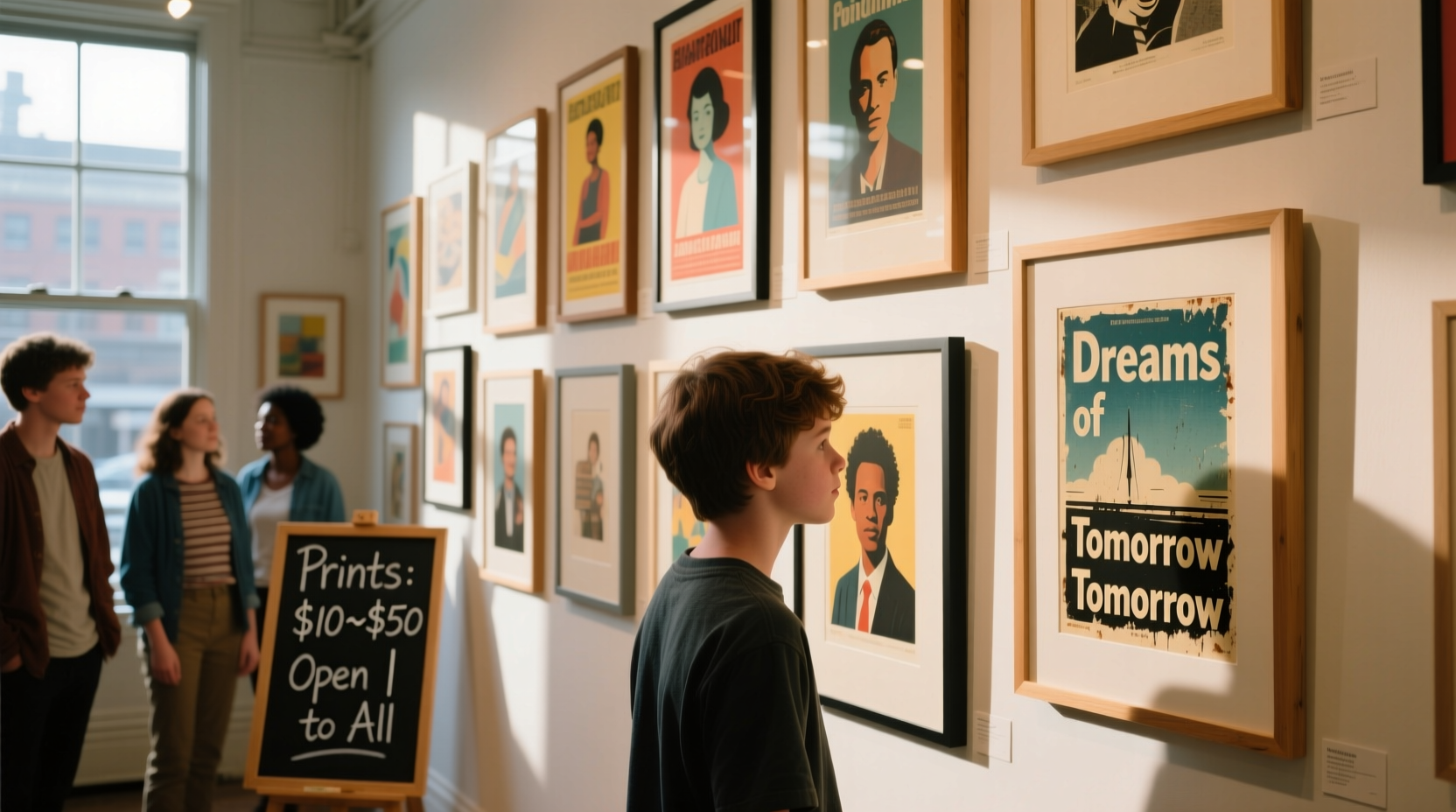
At its core, the affordability of prints comes down to production efficiency. Traditional fine art forms like oil paintings require significant time, materials, and labor—all contributing to high final prices. A single painting might take weeks or months to complete and can only be sold once. In contrast, printmaking techniques such as screenprinting, etching, lithography, and digital printing allow multiple copies of an original image to be produced from a single master plate or digital file.
This doesn’t mean prints lack value. On the contrary, many fine art prints are created in limited editions, signed and numbered by the artist, which preserves their collectibility. However, because the cost of creation is distributed across several pieces, each individual print carries a lower price tag than a one-of-a-kind artwork.
How Print Techniques Influence Price
Different print methods vary in complexity and cost, which affects pricing:
- Lithographs: Created using stone or metal plates, these offer rich detail and are often used for fine art editions.
- Screenprints: Labor-intensive but vibrant; popularized by artists like Andy Warhol.
- Etchings and Engravings: Hand-carved into metal, these are highly detailed and typically more expensive due to manual effort.
- Digital Prints (Giclée): High-resolution inkjet prints on archival paper; affordable yet durable when properly made.
While hand-pulled prints generally command higher prices than digital reproductions, even premium prints remain significantly more affordable than equivalent original works.
Democratizing Art Ownership
Prints challenge the idea that owning art is only for the affluent. For many, purchasing a $50–$500 print is a realistic way to begin building a personal collection. This shift has transformed homes, offices, and public spaces into curated environments where people engage daily with meaningful visual culture.
Art historian Dr. Lila Chen notes, “The rise of affordable prints in the 20th century coincided with broader movements toward cultural democratization. When people can own art, they feel connected to creativity in a tangible way.”
“A print isn’t a compromise—it’s a legitimate form of artistic expression designed to be shared.” — Rafael Torres, Curator at the Modern Print Archive
By lowering financial barriers, prints invite diverse audiences into the art world—not just as passive viewers, but as active participants and collectors.
Real Example: Maria’s First Art Purchase
Maria, a graphic designer in Portland, had always loved contemporary art but assumed collecting was out of reach. At a local gallery’s open studio event, she discovered a series of small linocut prints by a regional artist. Priced at $85 each, she bought two—one for her living room, one for her home office. Over the next three years, she acquired six more prints from emerging artists, attending small shows and supporting local creatives. What began as a modest purchase evolved into a meaningful collection that reflects her taste and values.
“I never thought I’d ‘own’ art,” Maria says. “But prints made it possible. Now my walls tell a story.”
Prints vs. Originals: A Comparison of Value and Access
| Feature | Original Painting | Fine Art Print (Limited Edition) | Open-Edition Reproduction |
|---|---|---|---|
| Average Price Range | $2,000 – $100,000+ | $100 – $3,000 | $20 – $150 |
| Rarity | One-of-a-kind | Limited run, signed/numbered | Unlimited copies |
| Artist Involvement | Full creation process | Supervised or hand-pulled | Often automated |
| Collectibility | High | Moderate to High | Low |
| Accessibility | Low | High | Very High |
This comparison highlights how prints occupy a sweet spot between authenticity and affordability. While not all prints are equally valuable, even entry-level options provide aesthetic and emotional rewards without requiring deep pockets.
How to Start Building a Print Collection
Beginning a print collection doesn’t require expertise or a large budget. The key is intentionality—choosing works that resonate personally while understanding basic quality markers.
- Define Your Taste: Spend time viewing art online or in galleries. Note recurring themes, colors, or styles that attract you.
- Set a Budget: Decide how much you’re comfortable spending per piece. Many collectors start with $50–$150 per print.
- Research Artists: Follow independent illustrators, printmakers, and local studios. Platforms like Etsy, Instagram, and print fairs offer direct access.
- Check Quality Details: Look for archival paper, pigment-based inks, and artist signatures. These factors affect longevity.
- Frame Thoughtfully: Use UV-protective glass and acid-free mats to preserve your prints and enhance presentation.
Print Collecting Checklist
- ☐ Identify preferred artistic styles or themes
- ☐ Set a realistic acquisition budget
- ☐ Verify print type (limited/open edition)
- ☐ Confirm use of archival materials
- ☐ Ensure artist signature and edition number (if applicable)
- ☐ Invest in proper framing and lighting
- ☐ Store extras flat and protected from moisture
Frequently Asked Questions
Are prints considered “real” art?
Yes. Fine art prints are created using established techniques and often involve direct artist involvement. Many renowned artists—from Rembrandt to Hokusai to Kara Walker—have used printmaking as a primary medium. A print is not a copy; it’s an original work in its own right, produced through a deliberate artistic process.
Do prints increase in value over time?
Some do. Limited edition prints by established or rising artists can appreciate, especially if the artist gains recognition. Factors like condition, provenance, rarity, and demand influence resale value. Open-edition posters or mass-produced decor items rarely gain value.
How should I care for my prints?
Display prints away from direct sunlight and high humidity. Use UV-filtering glass when framing and avoid touching the surface. Store unframed prints in acid-free sleeves, flat and in a cool, dry place.
Conclusion: Make Art Part of Your Everyday Life
The affordability of prints isn’t a flaw—it’s a feature. It reflects a vision of art as something lived with, enjoyed, and shared. You don’t need a museum-worthy budget to surround yourself with beauty and meaning. Through prints, anyone can support artists, express identity, and cultivate a deeper relationship with visual culture.
Start small. Choose a piece that speaks to you. Hang it where you’ll see it every day. Let it remind you that art isn’t reserved for special spaces or occasions—it belongs in real life. And when you're ready, add another. Before long, you won’t just live with art—you’ll be part of its story.




 浙公网安备
33010002000092号
浙公网安备
33010002000092号 浙B2-20120091-4
Comments
No comments yet. Why don't you start the discussion?