
In the fast-paced world of mobile gaming, where action-packed shooters and live-service RPGs dominate headlines, a quieter genre has been steadily reclaiming its spotlight: puzzle games. From minimalist tile-matching challenges to narrative-driven brain teasers, puzzle games are experiencing a renaissance across app stores. Their resurgence isn’t just a nostalgic throwback—it’s a reflection of shifting user behaviors, mental wellness trends, and smart design psychology. But what exactly is driving this renewed interest, and why do these seemingly simple games keep players coming back for “just one more level”?
The Resurgence of Puzzle Games: A Perfect Storm of Trends
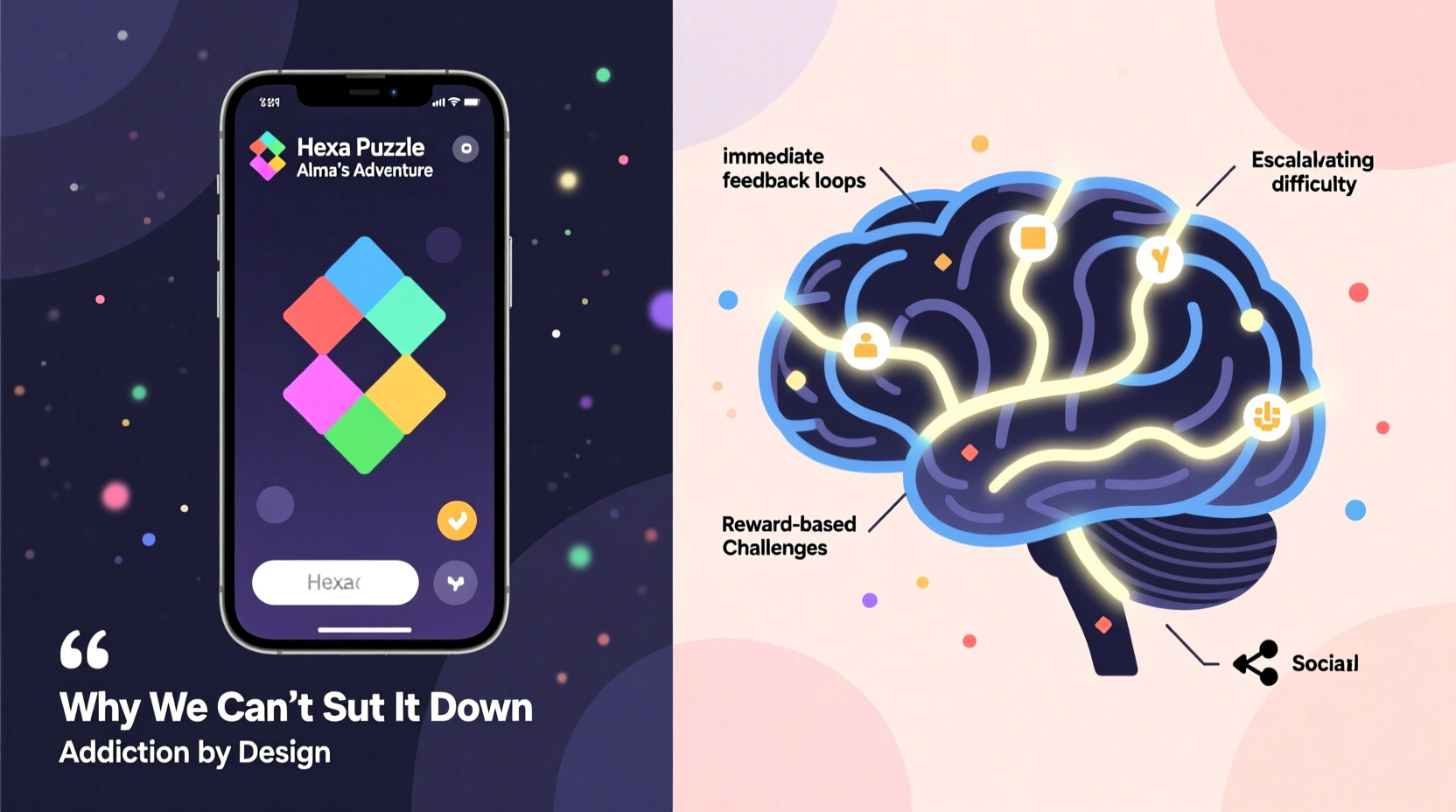
Puzzle games have always had a place in the digital entertainment ecosystem, but their recent spike in downloads and engagement signals something deeper than casual nostalgia. Several converging factors explain their comeback.
First, there's a growing demand for low-stress, accessible entertainment. In an era marked by information overload and constant connectivity, users are seeking experiences that offer mental stimulation without emotional fatigue. Puzzle games fit this need perfectly—they engage the mind without overwhelming it. Unlike competitive multiplayer titles that can trigger anxiety or frustration, puzzles provide a sense of control and calm.
Second, mobile device capabilities have evolved. Modern smartphones support smoother animations, intuitive touch controls, and higher-resolution displays—all ideal for precise, visually engaging puzzle mechanics. Designers now craft experiences that feel tactile and responsive, enhancing immersion even within minimalist frameworks.
Third, social media and influencer culture have amplified visibility. Short-form videos showcasing satisfying puzzle solutions—like collapsing blocks in *Tetris*, matching candies in *Candy Crush*, or solving cryptic riddles in *The Room* series—perform exceptionally well on platforms like TikTok and Instagram Reels. These clips act as organic advertisements, drawing viewers into gameplay loops they hadn’t considered before.
The Psychology Behind the Addiction
What makes a person spend hours rearranging colored tiles or aligning gears in a virtual machine? The answer lies in neuroscience and behavioral psychology. Puzzle games tap into core cognitive rewards that our brains are wired to seek.
One key mechanism is the **dopamine feedback loop**. Each time a player solves a puzzle—or even makes progress toward a solution—the brain releases small bursts of dopamine, the neurotransmitter associated with pleasure and motivation. This creates a positive reinforcement cycle: solve a puzzle → feel good → want to solve another.
Additionally, puzzle games satisfy our innate desire for **pattern recognition and completion**. Humans are natural problem-solvers; we’re drawn to order, symmetry, and resolution. When a game presents a chaotic arrangement and allows us to impose structure—whether through matching shapes, decoding symbols, or navigating mazes—it fulfills a deep psychological need.
“We’re not just playing to win—we’re playing to restore balance. That moment when scattered pieces click into place? It mirrors real-life problem-solving, making us feel capable and in control.” — Dr. Lena Torres, Cognitive Psychologist at Stanford University
Another factor is **intermittent reinforcement**, a principle famously studied in behavioral conditioning. Puzzle games often use unpredictable reward schedules—unlocking a special power-up after several attempts, revealing a hidden level, or earning a rare badge. Because rewards aren’t guaranteed every time, players stay engaged longer, chasing that next surprise.
Design Elements That Hook Players
Not all puzzle games succeed. The ones that thrive share common design traits engineered to maximize engagement and retention. Here’s what sets the best apart:
- Gradual difficulty curves: Levels start simple, building complexity slowly so players feel competent early on while being challenged over time.
- Satisfying audiovisual feedback: Crisp sounds, smooth animations, and visual cues (like sparkles or collapsing effects) enhance the sense of accomplishment.
- Short session lengths: Most levels last 30–90 seconds, fitting seamlessly into daily routines—waiting in line, commuting, or during work breaks.
- Progression systems: Unlockable themes, collectible items, or story segments give long-term goals beyond mere score-chasing.
- Minimalist UI: Clean interfaces reduce cognitive load, letting players focus entirely on the challenge.
Modern hits like *Lumino City*, *Monument Valley*, and *Two Dots* exemplify these principles. They don’t rely on flashy graphics or complex narratives alone—they use deliberate pacing and sensory refinement to create meditative, almost therapeutic experiences.
Case Study: How ‘Gems of War’ Leveraged Puzzle Mechanics for Mass Appeal
While primarily a strategy RPG, *Gems of War* integrated match-3 combat mechanics in a way that broadened its appeal far beyond traditional puzzle fans. By embedding puzzle-solving directly into battle outcomes, the developers created a hybrid experience: players strategized troop deployments while also relying on quick pattern recognition during fights.
The result? A 40% increase in daily active users within six months of the feature launch. Player surveys revealed that many non-puzzle gamers enjoyed the mental agility required, while existing puzzle enthusiasts appreciated the added strategic layer. This case illustrates how blending genres can reignite interest in classic formats by offering fresh context and stakes.
Why Mobile Is the Ideal Platform for Puzzle Games
Mobile devices are uniquely suited to the puzzle genre, both technically and behaviorally. Consider the typical usage patterns: short bursts of attention, one-handed operation, frequent interruptions. Puzzle games align perfectly with these conditions.
Unlike console or PC games requiring extended focus, mobile puzzles thrive on fragmentation. You can complete a level in under a minute, then return hours later without losing momentum. There’s no penalty for pausing—only progress waiting to be resumed.
Moreover, touchscreen interfaces enable direct manipulation. Swiping, tapping, rotating—these gestures make interaction feel personal and immediate. Compare dragging a tile across the screen versus using a mouse or controller; the former feels more intuitive and emotionally satisfying.
Developers have also embraced **offline accessibility**. Many top puzzle games don’t require constant internet connectivity, making them reliable companions during flights, commutes, or spotty service areas. This reliability increases perceived value and encourages habitual play.
| Feature | Traditional Console/PC Puzzles | Modern Mobile Puzzles |
|---|---|---|
| Session Length | 15–60 minutes | 30 seconds – 5 minutes |
| Input Method | Keyboard, mouse, controller | Touchscreen gestures |
| Connectivity Needs | Often online-only | Frequently offline-capable |
| Learning Curve | Moderate to steep | Gentle, tutorial-based |
| Reward Frequency | Infrequent major milestones | Constant micro-rewards |
Building a Healthy Relationship with Puzzle Play
While puzzle games offer cognitive benefits—improved memory, enhanced concentration, and better spatial reasoning—excessive play can lead to compulsive habits. Like any rewarding activity, moderation is key.
To ensure healthy engagement, consider setting boundaries around playtime. Some players benefit from scheduling puzzle sessions as mental warm-ups or cooldowns—say, five minutes before starting work or after finishing dinner. Others use built-in screen time trackers to monitor usage.
Checklist: Signs Your Puzzle Habit Is Healthy vs. Unhealthy
- ✅ You play to relax, not escape stress
- ✅ Sessions are brief and intentional
- ✅ You can stop after a set number of levels
- ✅ Gameplay enhances focus for other tasks
- ❌ You feel anxious when unable to play
- ❌ You prioritize gaming over responsibilities
- ❌ You hide your playtime from others
FAQ: Common Questions About Puzzle Game Trends
Are puzzle games good for your brain?
Yes, when played in moderation. Studies show that regular engagement with logic puzzles, spatial challenges, and pattern recognition tasks can improve working memory, processing speed, and executive function. However, they should complement—not replace—other forms of mental exercise like reading, learning new skills, or social interaction.
Why do I feel compelled to keep playing even when I’m tired?
This sensation stems from the brain’s reward system. Each solved puzzle delivers a small dopamine boost, creating a pleasurable feedback loop. Over time, this can condition automatic behavior—similar to checking your phone reflexively. Being aware of this mechanism helps you make conscious choices about when to continue or stop.
Can puzzle games help with anxiety or ADHD?
Some individuals report that structured puzzle play provides a calming effect, helping redirect racing thoughts or hyperfocus tendencies. However, results vary widely. For those with clinical anxiety or ADHD, puzzle games should not substitute professional treatment but may serve as a supplementary tool when used mindfully.
Conclusion: The Lasting Power of a Well-Designed Challenge
The revival of puzzle games on mobile isn't a fleeting fad—it's a response to real human needs. In a world full of noise and uncertainty, these games offer clarity, control, and quiet satisfaction. Their addictive nature isn't accidental; it's the product of thoughtful design that respects attention spans, leverages cognitive science, and honors the joy of solving.
As technology evolves, so too will the ways we interact with puzzles—from augmented reality scavenger hunts to AI-generated riddles tailored to individual skill levels. But the core appeal will remain unchanged: the profound pleasure of making sense of chaos, one piece at a time.




 浙公网安备
33010002000092号
浙公网安备
33010002000092号 浙B2-20120091-4
Comments
No comments yet. Why don't you start the discussion?