
The Ragdoll cat is one of the most beloved feline breeds today, known for its striking blue eyes, plush semi-long coat, and an almost dog-like devotion to its human companions. But behind its luxurious appearance lies a fascinating story—of how it got its name, where it came from, and what physical and behavioral traits define it. Understanding the origin and characteristics of the Ragdoll helps explain not only why they’re called “ragdolls” but also why they’ve become such cherished pets worldwide.
The Origin of the Ragdoll Breed
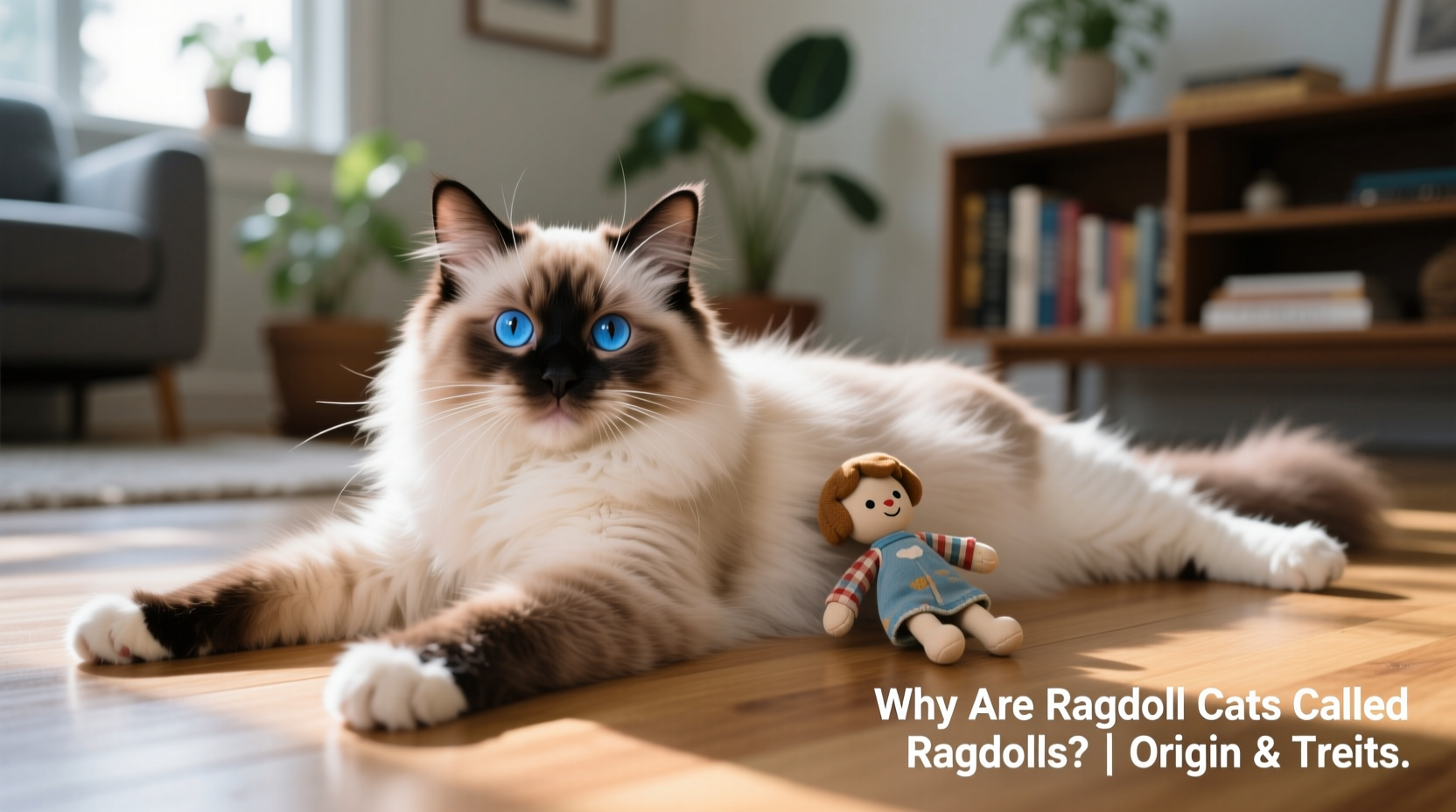
The Ragdoll breed originated in the 1960s in Riverside, California, thanks to a woman named Ann Baker. The foundation cat was a white domestic longhaired cat named Josephine, who reportedly survived a car accident and exhibited unusual docility afterward. According to Baker, Josephine’s kittens inherited this calm, floppy demeanor—especially when picked up—which became the hallmark of the breed.
Baker began selectively breeding Josephine with other cats, including a Birman-like male and a black Persian, to stabilize the desired traits: large size, soft coat, and a tendency to go completely limp when held. She trademarked the name “Ragdoll” and established strict breeding guidelines through her own organization, the International Ragdoll Cat Association (IRCA), which limited how breeders could use the name.
Over time, some breeders broke away from IRCA to form more open registries like The International Cat Association (TICA) and the Cat Fanciers’ Association (CFA), allowing wider recognition and responsible expansion of the breed. Today, Ragdolls are among the most popular pedigreed cats, admired not just for their looks but for their gentle temperament.
Why Are They Called \"Ragdolls\"? The Floppy Trait Explained
The name “Ragdoll” isn’t just catchy—it’s literal. When lifted, many Ragdolls go completely slack, limbs dangling like a child’s cloth doll. This unique behavior isn’t seen in most other cat breeds and is central to the breed’s identity.
This trait is not trained or learned; it’s an instinctive response rooted in their temperament. Ragdolls are naturally relaxed and trusting, especially toward humans. Their nervous system seems less reactive to handling, making them unusually tolerant of being carried, dressed, or even posed for photos. While not every Ragdoll goes fully limp, most exhibit a significant degree of floppiness compared to other cats.
“Ragdolls don’t resist. They trust. That surrender when you pick them up—that’s the soul of the breed.” — Dr. Sarah Thompson, Feline Behavior Specialist
It's important to note that this passivity should never be mistaken for weakness. Ragdolls are healthy, muscular cats. Their limpness is purely behavioral, a reflection of their deep sense of security around people.
Key Physical and Behavioral Traits of Ragdolls
Ragdolls are more than just their famous limpness. They possess a distinct set of physical and personality traits that make them stand out in the feline world.
Physical Characteristics
- Coat: Semi-long, silky, and rabbit-like in texture. Resists matting better than many longhaired breeds.
- Colors: Six recognized colors—seal, blue, chocolate, lilac, flame, and cream—with three patterns: colorpoint, mitted, and bicolor.
- Eyes: Striking oval-shaped blue eyes, a defining feature of the breed.
- Size: Large and substantial. Males typically weigh 15–20 pounds; females 10–15 pounds.
- Growth: Slow to mature—may take up to four years to reach full size and coat development.
Personality Traits
- Affectionate: Thrives on human interaction and often follows family members from room to room.
- Vocal: Not overly loud, but communicative with soft, melodic chirps and trills.
- Non-aggressive: Rarely scratches or bites, even when startled.
- Sociable: Gets along well with children, dogs, and other cats.
- Playful: Enjoys interactive toys and can learn tricks or walk on a leash.
| Trait | Ragdoll | Average Domestic Cat |
|---|---|---|
| Lap Sitting | Frequent and prolonged | Occasional or brief |
| Vocalization Level | Soft, moderate | Varies widely |
| Response to Handling | Limp, relaxed | May struggle or wriggle |
| Stranger Friendliness | Warm and curious | Oftentimes cautious |
| Coat Maintenance | Weekly brushing sufficient | Depends on length |
Step-by-Step: Raising a Happy Ragdoll Kitten
Bringing home a Ragdoll kitten is exciting, but their temperament needs nurturing to flourish. Here’s how to raise a confident, well-adjusted companion:
- Start socialization early (8–16 weeks): Introduce your kitten to different people, sounds, and household routines to reinforce their natural openness.
- Handle gently and frequently: Regular, calm handling strengthens their comfort with being held—the core of the “ragdoll” effect.
- Introduce grooming early: Brush their coat weekly using a stainless steel comb to prevent tangles and build positive associations.
- Provide vertical space: Despite their laid-back nature, Ragdolls enjoy climbing and observing from high perches.
- Engage with interactive play: Use wand toys or puzzle feeders to satisfy their intelligence and energy.
- Keep them indoors: Due to their trusting nature, Ragdolls are vulnerable to predators and theft. A safe indoor environment is essential.
Real-Life Example: A Therapy Cat with a Purpose
In Portland, Oregon, a Ragdoll named Milo serves as a certified therapy cat at a senior care facility. His handler, nurse Linda Chen, adopted him specifically for his temperament. “Milo walks into a room and instantly relaxes everyone,” she says. “He’ll climb onto a resident’s lap, go completely limp, and purr softly. One woman with dementia thought he was her childhood cat—she cried and hugged him for 20 minutes.”
Milo’s ability to remain calm during handling, tolerate noise, and offer unconditional affection illustrates how the Ragdoll’s natural traits translate into real-world emotional support. His success isn’t accidental—it’s the result of a breed carefully developed for gentleness and connection.
Care Checklist for Ragdoll Owners
To keep your Ragdoll healthy and happy, follow this essential checklist:
- ✅ Brush coat once a week to prevent mats
- ✅ Trim nails every 2–3 weeks
- ✅ Clean teeth 2–3 times weekly to prevent periodontal disease
- ✅ Provide mental stimulation with toys and puzzles
- ✅ Schedule annual vet checkups (Ragdolls can be prone to hypertrophic cardiomyopathy)
- ✅ Keep strictly indoors for safety
- ✅ Offer warm, cozy sleeping areas
- ✅ Spend quality time daily—these cats thrive on attention
Frequently Asked Questions
Are Ragdolls hypoallergenic?
No cat is truly hypoallergenic, and Ragdolls are not an exception. They shed moderately and produce Fel d 1 protein, the primary allergen in cats. However, some allergy sufferers report fewer reactions due to their lower-shedding coat, though individual responses vary.
Do all Ragdolls go completely limp when held?
Most Ragdolls exhibit a noticeable degree of relaxation when picked up, but the extent varies. Some go fully limp like a doll, while others simply remain still and calm. This behavior develops with trust and is more pronounced in well-socialized individuals.
How long do Ragdolls live?
With proper care, Ragdolls typically live 12–17 years. Some live into their early twenties. Regular veterinary care, a balanced diet, and a safe indoor environment contribute significantly to longevity.
Final Thoughts: Embracing the Ragdoll Lifestyle
Understanding why Ragdoll cats are called “ragdolls” goes beyond a quirky name—it reveals a breed shaped by intention, temperament, and deep human connection. From their accidental beginnings with Josephine to their status as one of the most sought-after companion cats, Ragdolls embody trust, affection, and serene elegance.
They aren’t just pets; they’re quiet companions who choose to go limp in your arms because they feel safe. They follow you from room to room not out of neediness, but genuine companionship. And they offer a kind of feline devotion that few other breeds match.




 浙公网安备
33010002000092号
浙公网安备
33010002000092号 浙B2-20120091-4
Comments
No comments yet. Why don't you start the discussion?