
The cyclical nature of fashion ensures that what was once old inevitably becomes new again. Nowhere is this more evident than in the sudden resurgence of retro sunglasses—particularly those iconic styles from the 1990s. Oversized lenses, angular frames, translucent plastics, and bold colors have returned with striking prominence on runways, city streets, and social media feeds. But this isn’t just about aesthetics; the revival of 90s sunglasses speaks to deeper cultural currents, generational identity, and the evolving relationship between nostalgia and innovation.
From celebrities like Bella Hadid and Harry Styles sporting vintage-inspired shades to luxury brands reissuing classic models, the trend has cemented itself as more than a fleeting fad. It’s a full-scale aesthetic movement rooted in both memory and modernity. Understanding why these sunglasses are back requires unpacking not only fashion history but also digital culture, sustainability values, and the psychology of style.
The Cultural Pull of Nostalgia
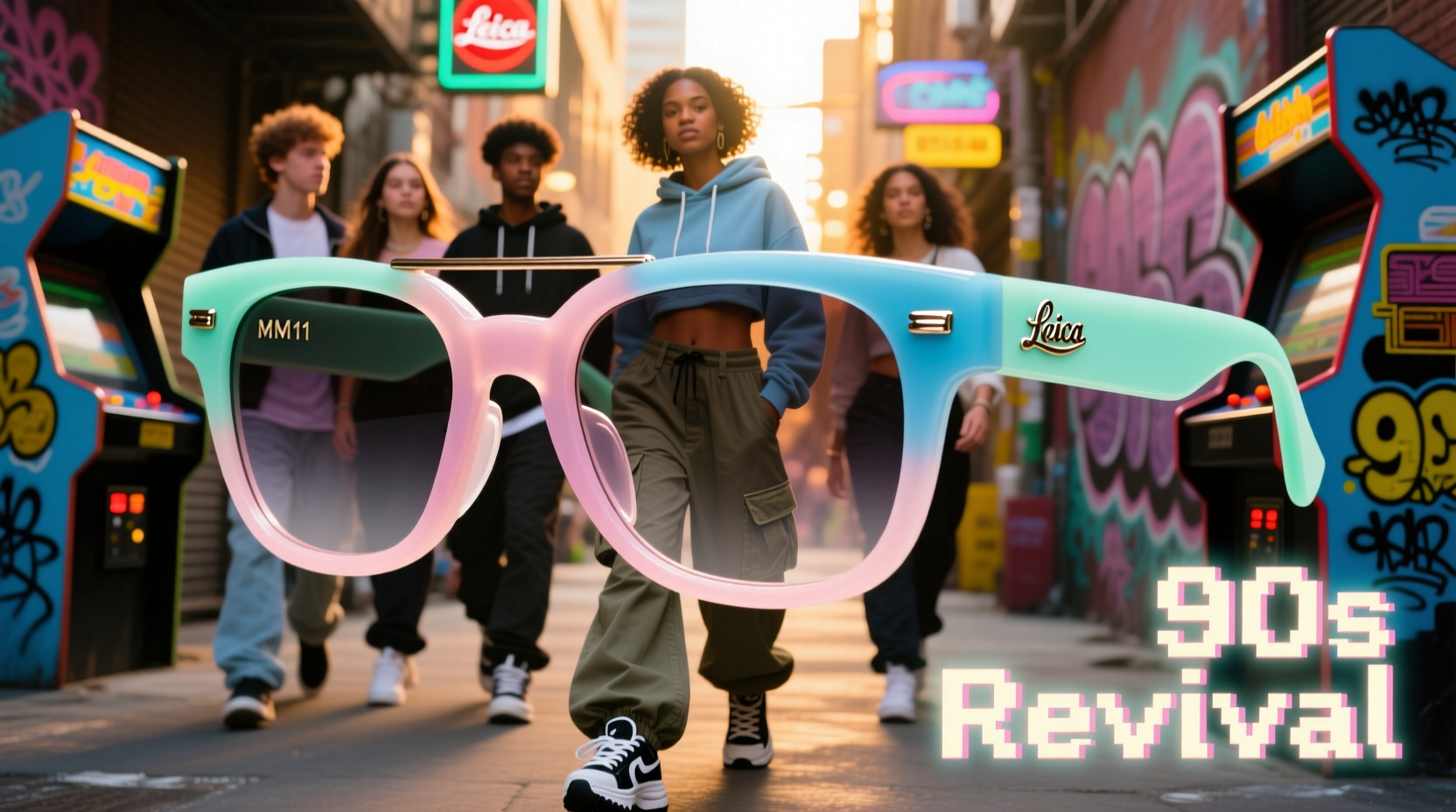
Nostalgia has become one of the most powerful forces shaping consumer behavior today. For Millennials and Gen Z, the 1990s represent a formative era—either through lived experience or curated cultural memory. The decade’s visual language, from grunge fashion to early internet aesthetics, resonates as both comforting and rebellious. Retro sunglasses serve as wearable symbols of that time, encapsulating its freedom, minimalism, and individual expression.
This emotional connection explains why brands are tapping into 90s nostalgia so effectively. A pair of rectangular acetate frames or slim metal aviators doesn’t just protect from UV rays—it evokes memories of dial-up internet, VHS tapes, and MTV music videos. As society faces ongoing uncertainty, whether economic, environmental, or political, people increasingly seek solace in familiar imagery. Fashion, especially accessories like sunglasses, offers an accessible way to reconnect with simpler times.
“Nostalgia isn't just about looking backward—it's about reclaiming identity. When people wear 90s sunglasses, they're not imitating the past; they’re asserting a personal narrative.” — Dr. Lena Torres, Cultural Anthropologist & Fashion Historian
How Social Media Accelerated the Comeback
If nostalgia provided the spark, social media poured gasoline on the flame. Platforms like Instagram, TikTok, and Pinterest thrive on visual storytelling, where aesthetics reign supreme. The sharp lines and distinctive silhouettes of 90s sunglasses make them highly photogenic—ideal for curated feeds and influencer content.
TikTok trends such as “get ready with me” (GRWM) and “outfit of the day” (OOTD) frequently feature retro eyewear as key styling elements. Hashtags like #90sStyle and #Y2KRevival have amassed billions of views, normalizing the look across age groups. Moreover, algorithms reward consistency and repetition, meaning once a few influencers adopt a style, it quickly gains momentum.
Another factor is the rise of “thriftcore” and vintage shopping online. Secondhand marketplaces like Depop, Poshmark, and Etsy have made authentic 90s sunglasses more accessible than ever. Buyers aren’t just purchasing products—they’re buying into authenticity, rarity, and sustainability. This shift aligns with younger consumers’ preference for unique, low-impact fashion choices over mass-produced items.
Design Evolution: Old Shapes, New Materials
Today’s retro sunglasses aren’t mere replicas—they reflect significant advancements in design and manufacturing. While the shapes remain faithful to their 90s origins, modern versions often incorporate lightweight materials, polarized lenses, and UV400 protection. Brands like Ray-Ban, Persol, and emerging labels such as Le Specs and Gentle Monster blend vintage inspiration with cutting-edge functionality.
For example, translucent tortoiseshell frames once prone to yellowing now use UV-stabilized acetate that resists discoloration. Similarly, oversized square lenses that were once purely stylistic now offer wraparound coverage for better glare reduction. These improvements make retro styles not only fashionable but genuinely practical for everyday use.
Fashion houses have also embraced hybrid designs—merging 90s minimalism with futuristic touches. Think chrome finishes, gradient mirror lenses, or asymmetrical cuts inspired by cyberpunk aesthetics. This fusion allows wearers to honor the past while projecting a forward-thinking image.
Key 90s Sunglass Styles Making a Comeback
| Style | Original Era Popularity | Modern Revival Feature | Notable Wearers |
|---|---|---|---|
| Oversized Square Frames | Late 90s – Early 2000s | Polarized lenses, matte finishes | Bella Hadid, Dua Lipa |
| Slim Metal Aviators | Mid-90s | Lightweight titanium builds | Harry Styles, Zendaya |
| Colored Transparent Plastics | Early 90s | Eco-acetate options | Billie Eilish, Olivia Rodrigo |
| Cat-Eye Silhouettes | Late 90s (Y2K transition) | Bolder angles, metallic accents | Ana de Armas, Doja Cat |
| Rounded Small Lenses | Mid-90s grunge scene | Recycled frame materials | Kaia Gerber, Timothée Chalamet |
Why Sustainability Fuels the Trend
One of the most compelling reasons behind the retro sunglasses revival is sustainability. As awareness grows around fast fashion’s environmental toll, consumers are turning toward durable, timeless pieces. Unlike disposable accessories, well-made sunglasses can last decades—if properly cared for. Vintage frames, when restored, represent the ultimate in circular fashion: zero new resources consumed, maximum character retained.
Brands have responded by emphasizing longevity and repairability. Some offer lifetime warranties on hinges or replacement lenses, reinforcing the idea that sunglasses should be seen as long-term investments rather than seasonal purchases. Additionally, limited-run reissues of classic models reduce overproduction and create exclusivity without waste.
This eco-conscious mindset particularly appeals to Gen Z, who prioritize ethical consumption. A 2023 McKinsey report found that 67% of young adults consider sustainability when buying apparel or accessories. By choosing retro styles—whether vintage or newly produced with heritage influence—they align their wardrobes with their values.
Mini Case Study: The Rebirth of the Ray-Ban Clubmaster
In the early 2010s, the Ray-Ban Clubmaster—a 1980s design popularized in the 90s by intellectuals and hip-hop artists—was considered outdated. Sales had plateaued, and the model lingered in discount bins. Then, around 2015, streetwear influencers began pairing the glasses with minimalist street style. Suddenly, the intellectual-chic aesthetic went viral.
By 2018, the Clubmaster had become one of Ray-Ban’s top-selling models globally. Collaborations with brands like Supreme and Palace cemented its status as a cult favorite. What started as a niche revival turned into mainstream dominance, proving that retro styles can achieve longevity when tied to cultural relevance and smart marketing.
Today, updated Clubmasters feature lighter frames and anti-reflective lens coatings, blending retro appeal with modern performance. Their success demonstrates how a single silhouette, when recontextualized correctly, can transcend generations.
How to Style Retro Sunglasses Today
Wearing 90s sunglasses doesn’t mean dressing head-to-toe in vintage gear. The key lies in balance: let the eyewear anchor your look while keeping the rest of your outfit contemporary. Here’s how to integrate them seamlessly into modern wardrobes.
- Pair oversized frames with clean lines. Think tailored blazers, simple tees, or slip dresses. Let the sunglasses stand out without competing elements.
- Mix textures deliberately. Combine glossy acetate frames with matte fabrics like cotton or wool for visual contrast.
- Match metal tones. If your frame has gold hardware, echo it in jewelry or watch details for cohesion.
- Consider face shape. Angular frames suit round faces; softer curves complement sharper jawlines.
- Avoid over-accessorizing. With bold sunglasses, less is more—skip statement earrings or necklaces that distract.
Checklist: Buying Authentic or Inspired Retro Sunglasses
- ✅ Verify UV protection level (look for UV400 rating)
- ✅ Check frame material quality (avoid flimsy plastics)
- ✅ Ensure proper fit—nose bridge and temple pressure should feel even
- ✅ Look for brand authenticity markers (engraved logos, serial numbers)
- ✅ Assess lens clarity—no distortions or bubbles
- ✅ Confirm return policy if buying online
- ✅ Consider repair options before purchase
FAQ
Are retro sunglasses suitable for all face shapes?
Yes, but selection matters. For instance, round faces benefit from angular frames like square or rectangular lenses, while heart-shaped faces often look best in cat-eye or oval styles. The wide variety of revived 90s designs means there’s a retro option for nearly every facial structure.
Do vintage sunglasses provide adequate sun protection?
Not always. Many original 90s sunglasses lack modern UV-blocking technology. If wearing true vintage pairs, consider having the lenses replaced with UV-protected ones at an optical shop. Alternatively, opt for reissued models that meet current safety standards.
Can I wear retro sunglasses casually, or are they only for fashion statements?
Absolutely—they can be both functional and fashionable. Modern reproductions are built for daily wear, offering comfort, durability, and eye protection. Whether you’re walking downtown or driving on weekends, retro sunglasses work as well as they look.
Conclusion: Embrace the Past, Shape the Future
The return of 90s sunglasses is more than a fashion cycle—it’s a reflection of how we engage with identity, memory, and self-expression. These frames carry stories: of youth culture, artistic rebellion, and the endless reinvention of style. As long as people seek meaning in what they wear, retro designs will continue to find new life.
Whether you’re drawn to the sleek minimalism of translucent acetate or the bold confidence of oversized squares, now is the perfect time to explore retro sunglasses. Choose pieces that resonate with your personality, prioritize quality and protection, and wear them with intention. Fashion may repeat, but your style remains uniquely yours.




 浙公网安备
33010002000092号
浙公网安备
33010002000092号 浙B2-20120091-4
Comments
No comments yet. Why don't you start the discussion?