
Ridge Wallets have become a fixture in the minimalist wallet market—praised for their sleek design, durability, and modern branding. But at $95 to $110 per unit, they sit significantly above traditional leather bifold prices. Many consumers wonder: what justifies this premium? Is it innovation, superior materials, or clever marketing? This article dissects the pricing structure of Ridge Wallets by analyzing production costs, brand positioning, material quality, and consumer demand. By the end, you’ll understand not only why these wallets cost what they do but also whether they deliver value commensurate with their price tag.
The Anatomy of a Ridge Wallet’s Price
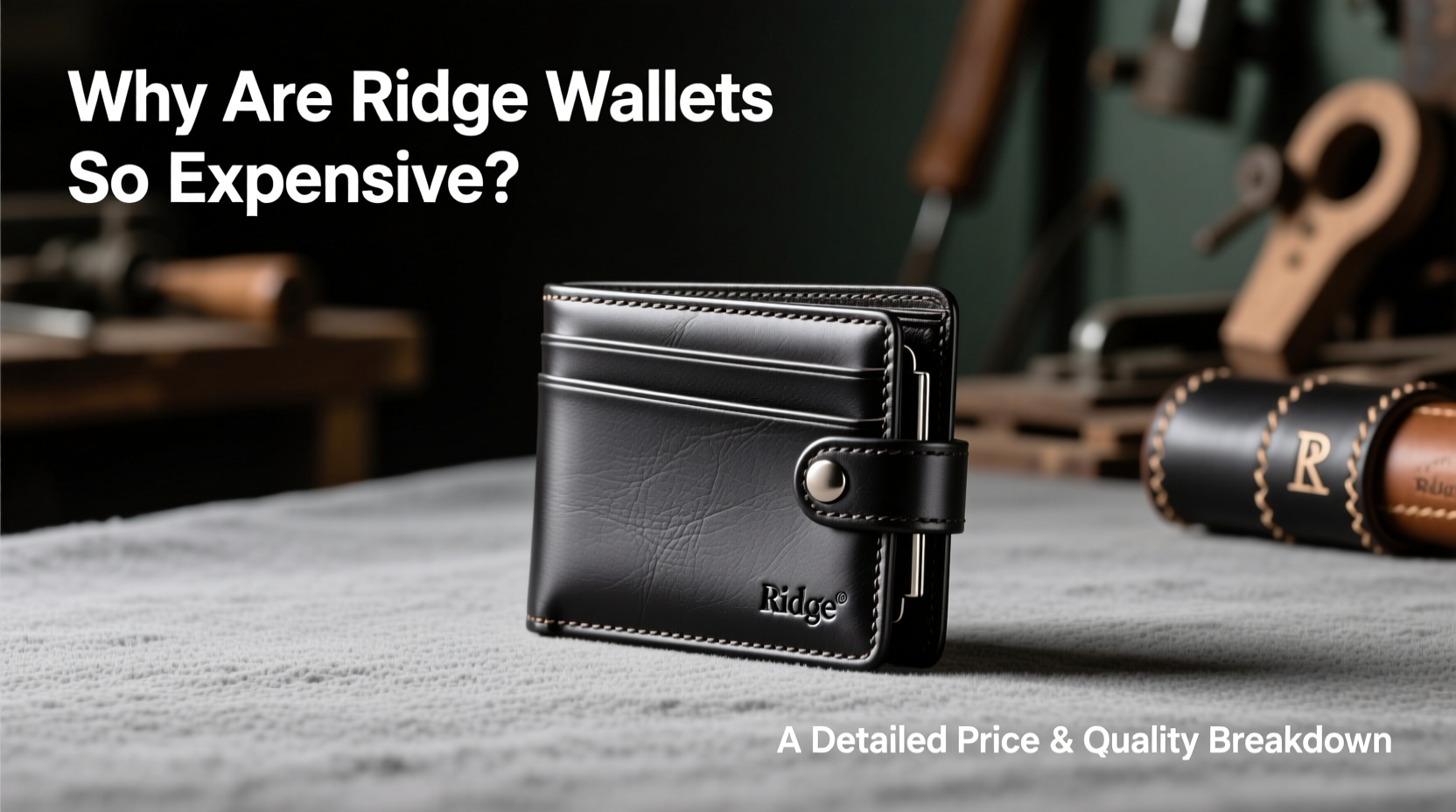
A typical Ridge Wallet retails between $95 and $110, depending on customization and material options. To assess whether this is justified, we must break down the components contributing to its final cost. Unlike generic accessories sold at department stores, Ridge positions itself as a premium lifestyle product. Its pricing reflects more than manufacturing—it includes R&D, customer service, warranty support, and aggressive digital marketing.
The company uses aerospace-grade aluminum, titanium, and carbon fiber in select models. These materials are inherently more expensive than leather or plastic, both in sourcing and machining. Precision CNC (Computer Numerical Control) milling is required to shape metal into the slim, ergonomic frames that define the brand. This process is time-intensive and requires specialized equipment, increasing production costs.
Material & Manufacturing Breakdown
The core materials used across Ridge Wallet’s lineup include:
- Aerospace-grade aluminum (7000 series): Lightweight, strong, and corrosion-resistant. Used in standard models.
- Titanium: More durable and lighter than steel, with natural resistance to wear. Found in premium editions.
- Carbon fiber: High strength-to-weight ratio, often used for aesthetic appeal and elite-tier models.
- Recycled plastics and bio-based composites: Offered in eco-conscious lines like the Ridge Eco.
Manufacturing involves multiple stages: raw material procurement, CNC cutting, anodizing (for color and protection), polishing, engraving, and quality control. Each step adds cost, especially when done in small batches with tight tolerances. While some assembly occurs overseas, Ridge emphasizes U.S.-based oversight and final inspection, which increases labor expenses compared to fully outsourced competitors.
Brand Positioning and Marketing Costs
One of the largest contributors to Ridge’s price is its investment in branding and digital marketing. The company rose to prominence through targeted Facebook and Instagram ads, influencer partnerships, and viral crowdfunding campaigns. In fact, Ridge began as a Kickstarter project in 2013, raising over $1 million—more than 2,600% of its initial goal. That early success allowed them to build a loyal customer base and fund aggressive ad spend.
Today, Ridge spends millions annually on performance marketing. Digital ads, YouTube sponsorships, and collaborations with lifestyle influencers all factor into the final product price. According to industry estimates, customer acquisition costs (CAC) for DTC (direct-to-consumer) brands like Ridge can range from $30 to $60 per sale. That means nearly half the wallet’s retail price may go toward simply getting your attention online.
“Premium pricing isn’t always about cost of goods—it’s about perceived value. Ridge sells confidence, not just storage.” — Marcus Tran, Consumer Behavior Analyst
Perceived Value vs. Functional Utility
Ridge doesn’t just sell a wallet; it sells identity. Their messaging focuses on minimalism, organization, freedom from bulk, and even masculinity. Campaigns feature active professionals, travelers, and fitness enthusiasts—all lifestyles associated with efficiency and intentionality. This emotional appeal elevates the product beyond utility into self-expression.
In contrast, a $30 leather wallet from a mass retailer performs the same basic function: holding cards and cash. But it lacks the engineered precision, lifetime warranty, and social signaling power of a Ridge. For many buyers, especially those influenced by social media trends, that distinction matters.
Comparative Analysis: Ridge vs. Competitors
To better understand Ridge’s pricing, here's how it stacks up against similar minimalist wallets:
| Wallet Model | Price Range | Material | Lifetime Warranty? | Made in USA? |
|---|---|---|---|---|
| Ridge Aluminum Wallet | $95 | Aerospace Aluminum | Yes | Partially (final QC in CA) |
| WalletGenius Titan Slim | $89 | Titanium | Yes | No (manufactured in China) |
| Ekster Parliament Mark III | $99 | Aluminum + Leather | Yes | No (Dutch brand, Asian production) |
| Secrid Cardprotector + Miniwallet | $115 | Stainless Steel + Rubber | Limited 3-year | Netherlands design, Germany/China production |
| Fossil Minimalist Bifold | $48 | Genuine Leather | No | No |
As shown, Ridge competes directly with other premium minimalist brands—not with budget accessories. While alternatives exist at lower or comparable prices, few match Ridge’s combination of warranty, global brand recognition, and ecosystem (e.g., add-ons like money clips and tracking cards).
Real-World Durability: A Mini Case Study
Consider James, a software engineer from Austin, Texas, who purchased his first Ridge Wallet in 2018. He carried it daily, subjected it to airport security scans, dropped it on concrete sidewalks, and even left it in a hot car for weeks during summer. After five years, the wallet still functions perfectly. The anodized finish shows minor scuffing, but the mechanism remains smooth, and no structural cracks have appeared.
He contrasts this with his previous leather bi-fold, which split at the seams after two years due to constant stretching from coins and receipts. “I paid $95 once,” James says, “instead of replacing $30 wallets every 18 months. Over a decade, I’ve saved money—and reduced clutter.”
This anecdote illustrates a key point: longevity offsets high initial cost. If a Ridge Wallet lasts 10+ years, its annual cost is under $10—less than most disposable fashion accessories.
Is the Premium Justified? A Checklist for Buyers
Before purchasing a Ridge Wallet—or any high-end minimalist wallet—ask yourself the following:
- Do I carry more than 6–8 cards regularly? (Ridge works best with fewer cards)
- Am I tired of bulky pockets and bent cards?
- Do I value long-term durability over short-term savings?
- Will I appreciate metal’s weight and cool touch, or find it cold and rigid?
- Does the brand’s minimalist ethos align with my personal style?
- Am I willing to pay extra for a lifetime warranty and U.S.-based customer service?
If most answers are yes, Ridge likely offers good value. If not, a simpler, cheaper alternative may suffice.
Frequently Asked Questions
Are Ridge Wallets worth the price?
For users seeking durability, slim profile, and long-term reliability, yes. The lifetime warranty, high-grade materials, and proven track record justify the cost for many. However, if you prefer soft leather, carry cash frequently, or don’t mind replacing wallets every few years, cheaper options may be more practical.
Why does Ridge use metal instead of leather?
Metal resists wear, crushing, and moisture far better than leather. It maintains its shape, prevents card bending, and supports RFID protection (in certain models). Metal also aligns with the brand’s modern, industrial aesthetic. However, it conducts temperature and can feel colder in winter.
Can I get a Ridge Wallet repaired if damaged?
Yes. All Ridge Wallets come with a lifetime warranty covering manufacturer defects and structural failure. Even accidental damage is often covered case-by-case. Customers can submit claims online and typically receive replacements within 7–10 business days.
Final Verdict: Cost, Value, and Smart Spending
Ridge Wallets are expensive because they combine advanced materials, precision engineering, strong branding, and a customer-centric philosophy. While the markup exceeds pure production costs, much of the price funds real benefits: a lifetime guarantee, responsive support, and a product designed to last decades, not years.
That said, value is subjective. For someone who values minimalism, hates replacing worn-out accessories, and appreciates well-designed everyday objects, a Ridge Wallet is a smart investment. For others—especially those who prioritize soft texture, cash storage, or low entry cost—it may seem overpriced.
The lesson isn’t that all expensive products are worth it, but that understanding *why* something costs what it does empowers better decisions. In Ridge’s case, the premium isn’t arbitrary—it’s built on performance, promise, and perception.




 浙公网安备
33010002000092号
浙公网安备
33010002000092号 浙B2-20120091-4
Comments
No comments yet. Why don't you start the discussion?