
Salads are often dismissed as bland diet food, but when prepared thoughtfully, they are among the most nutritious meals you can eat. Packed with vitamins, minerals, fiber, and antioxidants, a well-balanced salad supports long-term health, aids digestion, and helps maintain a healthy weight. Far from being just a side dish, salads can serve as complete, satisfying meals that nourish your body at a cellular level.
The key lies in understanding what makes a salad truly beneficial—not all greens are created equal, and the toppings matter just as much as the base. By choosing nutrient-dense ingredients and avoiding common pitfalls like sugary dressings or empty-calorie add-ons, you can transform a simple bowl of lettuce into a powerhouse of wellness.
Nutritional Powerhouse: What’s Inside a Healthy Salad?
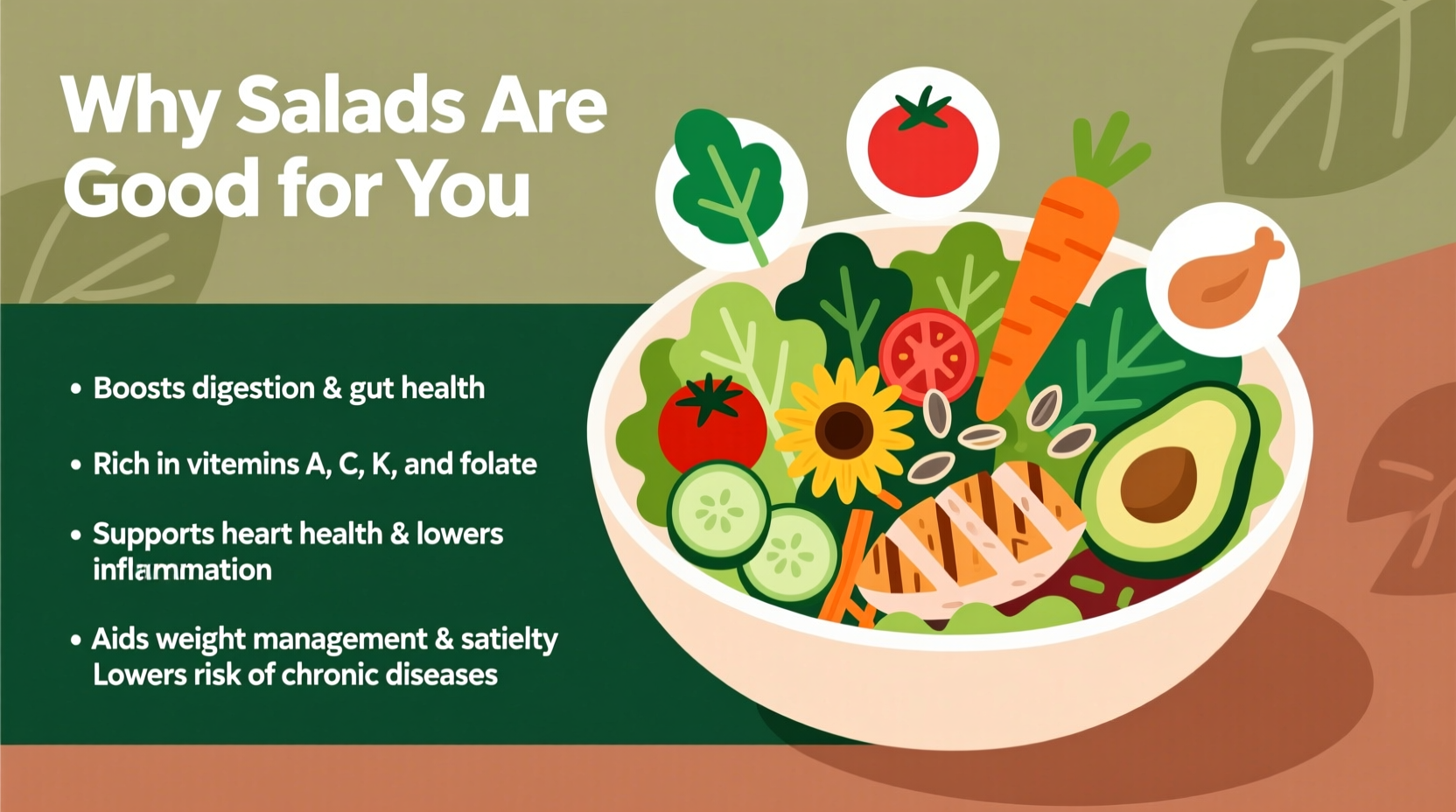
A typical salad built around leafy greens provides an impressive array of essential nutrients. Dark, leafy vegetables like spinach, kale, arugula, and romaine are rich in vitamin K, vitamin A (as beta-carotene), folate, and vitamin C. These micronutrients play vital roles in blood clotting, immune function, vision, and cell repair.
Beyond the greens, adding colorful vegetables boosts phytonutrient intake. For example:
- Red bell peppers offer more vitamin C than an orange.
- Carrots are high in beta-carotene, which supports eye health.
- Tomatoes contain lycopene, a powerful antioxidant linked to reduced risk of heart disease and certain cancers.
- Broccoli or shredded cabbage contribute sulforaphane and other compounds that support detoxification pathways in the liver.
When you include protein sources like grilled chicken, chickpeas, lentils, tofu, hard-boiled eggs, or nuts, the salad becomes a complete meal that stabilizes blood sugar and keeps you full longer.
Top Health Benefits of Eating Salads Regularly
1. Supports Heart Health
Leafy greens are naturally low in sodium and saturated fat while being rich in potassium and nitrates, which help regulate blood pressure. Studies show that people who consume more green leafy vegetables have a lower risk of cardiovascular disease. The fiber in vegetables also helps reduce LDL (\"bad\") cholesterol levels.
2. Aids Digestion and Gut Health
Dietary fiber from vegetables acts as a prebiotic, feeding beneficial gut bacteria. A diverse microbiome is linked to improved immunity, mood regulation, and reduced inflammation. Raw vegetables, especially cruciferous ones like broccoli and Brussels sprouts, provide insoluble fiber that promotes regular bowel movements.
3. Promotes Weight Management
Salads are typically low in energy density—meaning they provide few calories relative to volume. This allows you to eat a large portion without overconsuming calories. Research published in the journal *Obesity* found that individuals who ate larger portions of non-starchy vegetables before meals consumed fewer total calories throughout the day.
4. Reduces Chronic Inflammation
Chronic inflammation is a root cause of many diseases, including type 2 diabetes, arthritis, and some cancers. The antioxidants in colorful produce—such as flavonoids, carotenoids, and vitamin C—help neutralize free radicals and reduce oxidative stress in the body.
5. Enhances Longevity and Disease Prevention
Populations with high intakes of plant-based foods, such as those following Mediterranean or Okinawan diets, consistently show lower rates of chronic illness and increased lifespan. Salads, especially when dressed with olive oil and vinegar, mirror these traditional eating patterns known for promoting longevity.
“Eating a variety of raw and lightly cooked vegetables daily is one of the simplest ways to prevent chronic disease.” — Dr. Nina Patel, Registered Dietitian and Nutrition Scientist
Building a Balanced, Nutrient-Rich Salad: A Step-by-Step Guide
Not all salads deliver equal benefits. Follow this five-step framework to ensure your salad is both delicious and nutritionally complete.
- Choose a nutrient-dense base. Opt for dark leafy greens instead of iceberg lettuce. Spinach, mixed baby greens, or arugula provide significantly more vitamins and antioxidants.
- Add a rainbow of vegetables. Include at least 3–5 different colors—red tomatoes, orange carrots, yellow peppers, purple cabbage, white radishes—to cover a broad spectrum of phytochemicals.
- Incorporate lean protein. Add 15–20 grams of protein per serving: grilled salmon, black beans, quinoa, tempeh, or sliced turkey breast.
- Include healthy fats. Avocado, olives, pumpkin seeds, or a drizzle of extra virgin olive oil enhance satiety and improve absorption of fat-soluble vitamins (A, D, E, K).
- Dress smartly. Use homemade dressings with olive oil, lemon juice, apple cider vinegar, mustard, or herbs. Avoid store-bought creamy dressings high in sugar and unhealthy oils.
Common Salad Mistakes That Undermine Health Goals
Even with good intentions, it's easy to turn a healthy salad into a calorie-laden trap. Below is a comparison of common choices and their healthier alternatives.
| Common Choice | Why It’s Problematic | Better Alternative |
|---|---|---|
| Creamy Caesar or Ranch dressing | High in saturated fat, sugar, and preservatives; can add 150+ calories per serving | Olive oil and balsamic vinegar or lemon-tahini dressing |
| Crispy fried chicken or bacon bits | Loaded with sodium, trans fats, and processed ingredients | Grilled chicken breast or baked chickpeas |
| Cheese-heavy toppings | Can increase saturated fat and calorie content quickly | Feta or Parmesan in moderation (1–2 tbsp) |
| Candied nuts or croutons | Sugary coatings and refined carbs spike blood sugar | Raw almonds or homemade whole-grain croutons |
| Base of iceberg lettuce only | Low in nutrients compared to darker greens | Mixed greens, spinach, or romaine |
Real-Life Example: How One Woman Transformed Her Energy Levels
Sarah, a 38-year-old teacher from Portland, struggled with afternoon fatigue and frequent colds. She rarely ate vegetables and relied on convenience foods. After consulting a nutritionist, she committed to eating one large, balanced salad daily for lunch.
She started with a spinach base, added cherry tomatoes, cucumbers, shredded carrots, chickpeas, sunflower seeds, and grilled salmon. She dressed it with olive oil, lemon juice, and a touch of Dijon mustard. Within three weeks, she noticed sharper focus, fewer energy crashes, and improved digestion. Over six months, her annual blood work showed lower cholesterol and improved markers of inflammation.
“I didn’t realize how much my body was missing until I gave it real food,” Sarah said. “Now I look forward to my salad like others look forward to dessert.”
Frequently Asked Questions
Can I eat salads every day?
Yes, eating salads daily is perfectly healthy—as long as they are varied and balanced. Rotate your greens and ingredients to avoid nutrient imbalances and ensure a wide range of vitamins and phytonutrients.
Are raw salads better than cooked vegetables?
Both have benefits. Raw vegetables retain heat-sensitive nutrients like vitamin C and enzymes, while cooking can increase the bioavailability of others, such as lycopene in tomatoes or beta-carotene in carrots. Ideally, include both raw and lightly steamed vegetables in your weekly diet.
How can I make my salad more filling?
Add a source of protein (like beans, eggs, or lean meat), healthy fats (avocado, nuts, seeds), and complex carbohydrates (quinoa, sweet potato cubes). These components slow digestion and keep you satisfied for hours.
Final Thoughts: Make Every Bite Count
Salads are far more than a trendy health food—they are a practical, customizable way to flood your body with essential nutrients. When built with intention, they support heart health, digestion, weight management, and long-term disease prevention. The beauty of a salad lies in its simplicity and adaptability: you can tailor it to your taste, dietary needs, and seasonal ingredients.
Start small. Swap one processed meal this week for a vibrant, veggie-packed salad. Focus on color, texture, and balance. Over time, these choices compound into lasting improvements in how you feel and function.




 浙公网安备
33010002000092号
浙公网安备
33010002000092号 浙B2-20120091-4
Comments
No comments yet. Why don't you start the discussion?