
In recent years, ordering a simple salad at a café or buying a pre-packaged mix at the grocery store has started to feel less like a budget-friendly choice and more like a luxury purchase. A head of butter lettuce can cost as much as a pound of chicken. Kale bags rival the price of artisan bread. For many consumers, the question is no longer whether they should eat more greens—but why doing so comes with such a steep price tag. The answer lies in a complex web of agricultural challenges, supply chain logistics, consumer demand, and food safety standards that all contribute to the rising cost of salad greens.
The Fragility Factor: Why Greens Don’t Travel Well
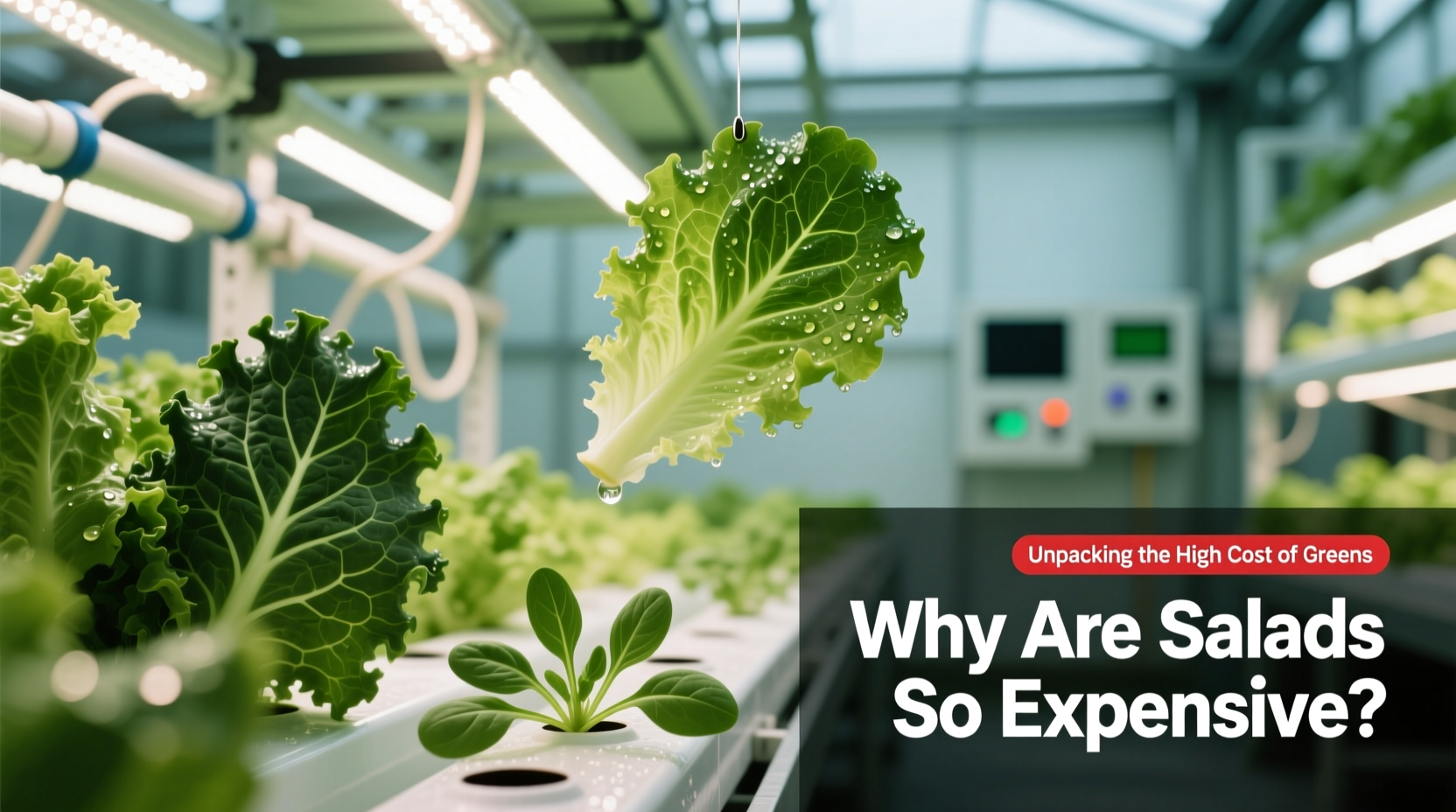
Leafy greens—especially delicate varieties like arugula, spinach, and butter lettuce—are among the most perishable foods in the produce category. Unlike apples or potatoes, which can be stored for months, most salad greens have a shelf life of just 5 to 7 days under ideal conditions. This fragility drives up costs at every stage of the supply chain.
Harvested by hand or with precision machinery, greens must be cooled rapidly after picking to prevent wilting. They’re then packed in temperature-controlled facilities and shipped in refrigerated trucks. Any delay or fluctuation in temperature can lead to spoilage, resulting in financial loss for farmers and distributors. Because so much product is lost before it reaches shelves, prices are inflated to offset these risks.
“About 30% of leafy greens never make it to market due to damage, decay, or cosmetic imperfections.” — Dr. Lena Torres, Agricultural Economist, UC Davis
This post-harvest loss is significantly higher than for sturdier vegetables, meaning growers must charge more per unit to maintain profitability.
Farming Challenges: Water, Labor, and Land Costs
Growing salad greens is resource-intensive. Lettuce, for example, requires consistent irrigation—up to 15 gallons of water per pound grown. In drought-prone regions like California’s Salinas Valley, where over 70% of U.S. lettuce is produced, water scarcity has driven up operational costs. Farmers now pay premium rates for water rights or invest in expensive drip irrigation systems to conserve resources.
Labor is another major expense. Most leafy greens are still harvested by hand to avoid bruising. With rising minimum wages and labor shortages in agriculture, farms face mounting pressure to cover payroll without compromising yield. Mechanization remains limited because machines struggle to distinguish between mature and immature leaves without damaging the crop.
Additionally, land near urban centers—where demand for fresh produce is highest—is increasingly repurposed for housing or commercial development. As arable land shrinks, the cost of cultivating even small plots rises, further pushing up prices.
The Rise of Pre-Packaged Convenience
Consumer preference for convenience plays a significant role in pricing. Pre-washed, ready-to-eat salad mixes save time but come with added costs. Washing, drying, sorting, and packaging greens require specialized equipment and food-safe facilities. These processes increase production time and energy use, all reflected in the final price.
Moreover, bagged salads often include premium ingredients like microgreens, edible flowers, or imported herbs, which elevate both flavor and cost. Even basic blends may contain multiple varieties of lettuce, each with its own growing and harvesting cycle, complicating logistics and increasing overhead.
| Salad Type | Average Retail Price (per 5 oz) | Main Cost Drivers |
|---|---|---|
| Head of Romaine | $1.80 | Transport, storage, shrink loss |
| Pre-Washed Spring Mix | Packaging, labor, processing, waste | |
| Organic Kale Blend | $6.00 | Certification, manual labor, cold chain |
| Restaurant Side Salad | $7–$12 | Overhead, portion control, service markup |
The markup from farm to table is substantial. A grower might sell a clamshell of mixed greens to a distributor for $1.50, but after transportation, retail shelving, and supermarket margins, the same package sells for $4.50 or more.
Food Safety and Regulatory Burden
Since several high-profile E. coli outbreaks linked to romaine lettuce in the late 2010s, the industry has adopted stricter safety protocols. Farms must comply with the FDA’s Food Safety Modernization Act (FSMA), which mandates regular water testing, soil monitoring, and worker hygiene training. Many also undergo third-party audits to maintain contracts with major retailers.
These measures are essential for public health but costly to implement. Small and mid-sized farms often lack the capital to afford advanced sanitation systems or dedicated compliance staff. As a result, some have exited the market, reducing competition and allowing larger producers to set higher prices.
Traceability systems—like blockchain tracking used by some suppliers—add another layer of expense. While they improve transparency and speed up recall responses, the technology investment is passed on to consumers.
Seasonality and Geographic Limitations
Unlike tomatoes or carrots, most salad greens thrive only in cool, temperate climates. Peak production in California runs from spring through fall. During winter, supply shifts to Arizona or greenhouse operations in Canada and the northeastern U.S., where growing conditions are artificially maintained.
Greenhouse cultivation allows year-round production but at a steep cost. Heating, lighting, and hydroponic systems require significant energy inputs. A single pound of greenhouse-grown lettuce can cost twice as much to produce as field-grown equivalents. These expenses are directly reflected in retail pricing, especially during colder months.
“We grow butter lettuce in vertical farms using LED lights and nutrient films. It’s sustainable, but the electricity bill alone adds $2 per pound to our base cost.” — Marcus Reed, Urban Farm Operator, Brooklyn
Mini Case Study: The $8 Supermarket Salad
Consider a popular pre-packaged “Mediterranean Mix” sold at a national grocery chain for $8.99. The package contains romaine, radicchio, cherry tomatoes, olives, feta, and a balsamic vinaigrette. Here’s how the cost breaks down:
- Farmers' share: $1.10 (for greens and tomatoes)
- Packaging & processing: $2.30
- Transportation & refrigeration: $1.40
- Retail markup: $2.69
- Brand & marketing: $1.50
Despite its premium price, the actual cost of raw ingredients is less than 15% of the total. The rest covers handling, logistics, spoilage insurance, and profit margins across multiple intermediaries.
How to Save Money on Salads: A Practical Checklist
While you can’t control global supply chains, you can make smarter choices to reduce your salad spending.
- Buy whole heads instead of pre-cut. A full head of lettuce lasts longer and costs less per serving.
- Shop late in the day. Many stores discount produce nearing expiration.
- Grow your own greens. Even a small windowsill garden can yield fresh arugula or lettuce in 3–4 weeks.
- Freeze dressings in ice cube trays. Prevent waste by preserving extras in portion-sized cubes.
- Combine cheaper greens with bulk add-ons. Mix spinach with shredded cabbage or grated carrots to stretch servings.
- Join a CSA (Community Supported Agriculture) program. Get seasonal greens directly from local farms at lower prices.
Frequently Asked Questions
Are organic salads worth the extra cost?
For frequently consumed greens like spinach and kale, which tend to retain pesticide residues, organic options may offer health benefits. However, for heartier lettuces like romaine, the difference is less pronounced. If budget is tight, prioritize organic for the “Dirty Dozen” list and opt for conventional for others.
Why do restaurant salads cost so much?
Restaurants factor in labor, plate waste, kitchen space, and service overhead. A $12 salad isn’t just about ingredients—it includes chopping, plating, waitstaff time, and ambiance. Making similar meals at home can cut costs by up to 70%.
Can I trust “local” labels on salad packages?
Not always. “Local” is not a regulated term. Some brands label produce as local if it was grown within the same region or state, even if it traveled hundreds of miles. Check packaging for specific farm names or certifications like “Certified Local” to verify authenticity.
Conclusion: Rethinking Value in Every Bite
The high cost of salads reflects more than just the price of seeds and soil. It encompasses water scarcity, labor demands, technological investment, and our collective appetite for convenience and safety. Understanding these factors doesn’t eliminate the sticker shock, but it fosters more informed choices.
You don’t need to abandon salads to manage your budget. By buying smart, storing properly, and embracing DIY preparation, you can enjoy fresh, nutritious greens without breaking the bank. The next time you see a $7 bag of spring mix, you’ll know exactly what’s behind the price—and how to get better value from every leaf.




 浙公网安备
33010002000092号
浙公网安备
33010002000092号 浙B2-20120091-4
Comments
No comments yet. Why don't you start the discussion?