
In recent years, a growing number of brick-and-mortar stores across the United States and beyond have shut their doors. From mall anchors to neighborhood retailers, the phenomenon has become too widespread to ignore. Once-bustling shopping centers now feature empty storefronts, prompting questions about the health of physical retail. The truth is, this shift isn’t due to a single cause but a convergence of economic, technological, and cultural changes reshaping how people shop.
Understanding why so many stores are closing requires looking beyond surface-level explanations like “e-commerce killed retail.” Instead, a deeper analysis reveals structural challenges, changing consumer expectations, and a lagging adaptation from traditional retailers. More importantly, while some sectors struggle, others are thriving—pointing to a future where retail evolves rather than disappears.
Rise of E-Commerce and Changing Consumer Habits
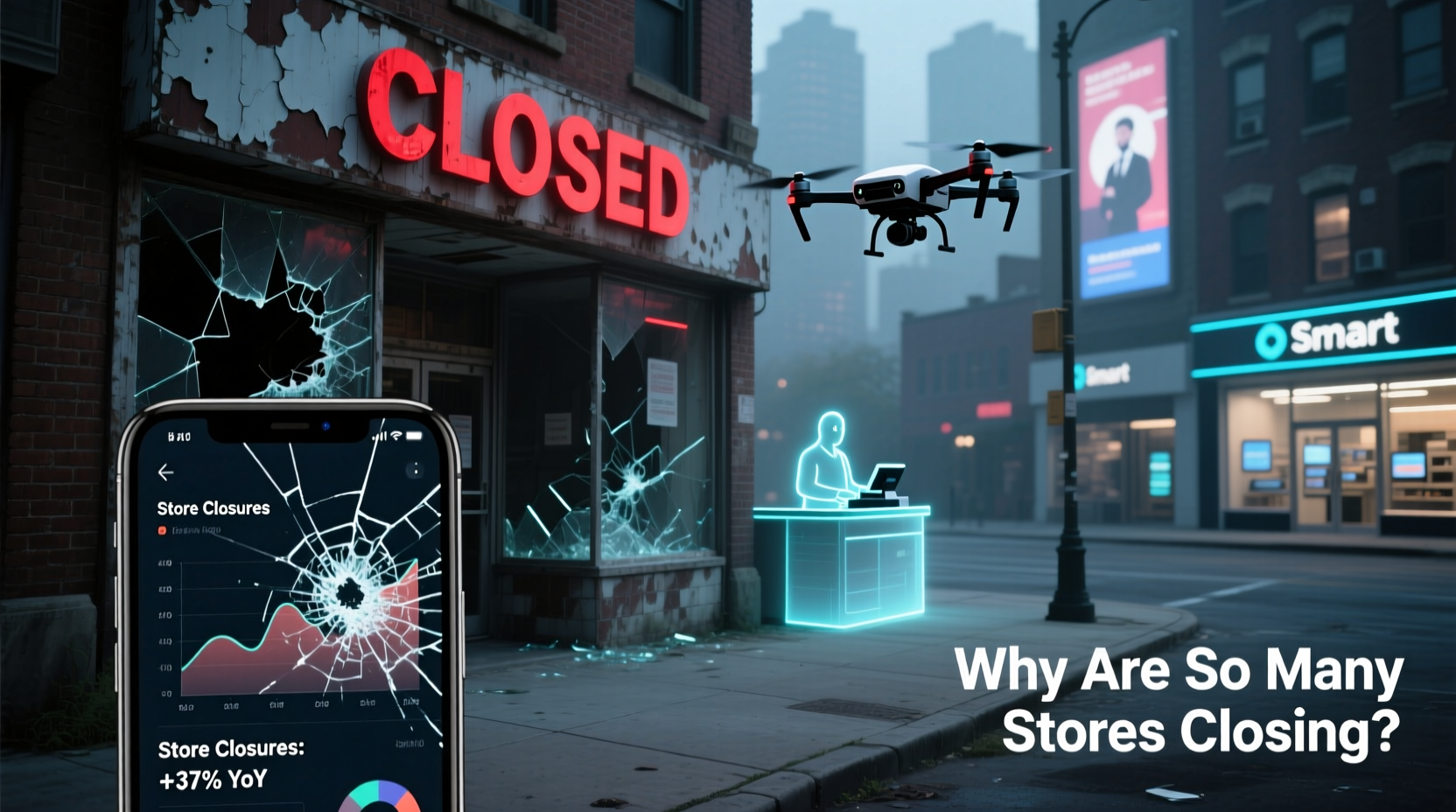
The most visible force behind store closures is the rapid growth of online shopping. Platforms like Amazon, Walmart.com, and direct-to-consumer brands have made it easier than ever to buy goods from home. Convenience, competitive pricing, and fast delivery options have shifted consumer behavior significantly.
A 2023 U.S. Census Bureau report showed that e-commerce sales accounted for nearly 15% of total retail sales—a figure that continues to climb. For certain categories like electronics, books, and apparel, digital penetration exceeds 30%. This shift has reduced foot traffic in malls and strip centers, making it harder for physical stores to justify high rent and staffing costs.
But it’s not just convenience driving change. Modern shoppers expect personalized experiences, seamless returns, and instant access to product information—all capabilities digital platforms deliver more efficiently than traditional retail models.
Overexpansion and Real Estate Pressures
For decades, retail growth was equated with opening more locations. Chains expanded aggressively into suburban malls, often signing long-term leases at peak rental rates. But as demand softened, these commitments became liabilities.
Malls built in the 1980s and 1990s were designed for a different era—one with fewer entertainment alternatives and limited internet access. Today, many are located in areas with declining populations or insufficient foot traffic to sustain anchor tenants. When major department stores like Sears or JCPenney exit, smaller retailers lose crucial customer flow, triggering a domino effect of closures.
Commercial real estate values have also declined. According to Moody’s Analytics, mall property values dropped by over 30% between 2017 and 2023. Landlords now face tough choices: redevelop properties for mixed-use purposes or accept lower occupancy rates.
Economic and Operational Challenges
Beyond shifting habits and real estate issues, retailers face mounting operational pressures. Inflation, rising wages, supply chain disruptions, and increased competition have squeezed margins. Many companies operate with thin profit buffers, leaving little room to absorb unexpected shocks.
Consider the case of Bed Bath & Beyond. Despite strong brand recognition, the company struggled with inventory mismanagement, outdated loyalty programs, and failure to modernize its e-commerce platform. By the time leadership attempted a turnaround, debt had ballooned, and vendors had lost confidence. In 2023, the chain liquidated over 300 stores.
This example illustrates a broader trend: legacy retailers often lack agility. They’re burdened by legacy systems, hierarchical decision-making, and resistance to innovation—traits that make them vulnerable in fast-moving markets.
“Retail isn’t dying—it’s being redefined. The winners will be those who treat physical stores as experiential hubs, not just transaction points.” — Dr. Linda Chen, Retail Innovation Researcher at MIT Sloan
The Future of Retail: Adaptation Over Extinction
While store closures dominate headlines, new retail formats are emerging. The future belongs to businesses that blend digital efficiency with human-centric experiences. Below are key trends shaping what comes next:
- Experiential retail: Stores offering workshops, cafes, or interactive displays (e.g., Apple Stores, Nike Live).
- Pop-up shops: Temporary spaces used for product launches, seasonal sales, or market testing.
- Hybrid fulfillment: Curbside pickup, same-day delivery, and ship-from-store models reduce delivery times and costs.
- Data-driven personalization: Using AI to recommend products based on past purchases and browsing behavior.
- Sustainability focus: Consumers increasingly favor brands with transparent sourcing and eco-friendly packaging.
Successful retailers are no longer judged solely on inventory breadth but on how well they engage customers across channels. Sephora, for example, uses in-store beauty advisors alongside a robust app that tracks rewards, offers virtual try-ons, and syncs purchase history.
Checklist: What Retailers Can Do to Survive and Thrive
For business owners and operators navigating this transformation, here’s a practical action plan:
- Assess store performance quarterly using foot traffic, conversion rate, and average transaction value.
- Invest in omnichannel integration (online ordering, in-store pickup, unified inventory).
- Train staff to act as brand ambassadors, not just cashiers.
- Leverage customer data to personalize promotions and improve loyalty.
- Reevaluate lease terms and consider downsizing underperforming locations.
- Partner with local communities through events or collaborations to drive engagement.
- Adopt sustainable practices—from packaging to energy use—to appeal to conscious consumers.
Mini Case Study: How REI Reimagined Its Store Model
Outdoor retailer REI faced declining mall traffic like many peers. Instead of retreating, it reinvented its urban stores. In 2022, REI opened a flagship location in Denver featuring a climbing wall, gear repair station, and free outdoor education classes. Membership sign-ups surged by 40% in the first quarter after launch.
The store functions less as a warehouse and more as a community hub. Customers come not just to buy hiking boots but to learn survival skills or join guided hikes. This strategy strengthens emotional connection, increases dwell time, and drives repeat visits—proving that physical retail can thrive when it delivers value beyond transactions.
Do’s and Don’ts for the Future of Retail
| Do | Don't |
|---|---|
| Create immersive in-store experiences (e.g., product demos, workshops) | Rely solely on discounts to attract customers |
| Use customer data ethically to personalize service | Ignore mobile optimization or app functionality |
| Empower employees with autonomy and training | Maintain rigid hierarchies that slow innovation |
| Test small-format or pop-up stores before large investments | Sign long-term leases without traffic guarantees |
| Measure success beyond sales (e.g., engagement, retention) | Treat online and offline channels as separate entities |
Frequently Asked Questions
Will all physical stores eventually close?
No. While some categories may continue shrinking, many consumers still value tactile experiences, immediate gratification, and human interaction. Physical retail will persist—especially in formats focused on experience, service, and convenience.
Can small businesses compete in this environment?
Yes. Small retailers often have advantages in agility, community trust, and niche expertise. By focusing on personalized service, local partnerships, and targeted digital marketing, independent stores can carve out loyal customer bases even in challenging markets.
Is e-commerce really cheaper than physical retail?
Not always. While online-only brands save on rent, they face rising customer acquisition costs, return rates (often 20–30%), and shipping expenses. The most sustainable models combine digital reach with strategic physical presence to balance cost and service.
Conclusion: The Store Isn’t Dead—It’s Evolving
The wave of store closures reflects not the end of retail but the end of an outdated model. Consumers no longer need to visit a store simply to make a purchase. They go because they want inspiration, connection, or an experience they can’t get online.
The future belongs to retailers who see stores as dynamic touchpoints within a larger ecosystem—not standalone silos. Whether through community programming, seamless tech integration, or sustainable practices, the path forward is clear: adapt or decline.




 浙公网安备
33010002000092号
浙公网安备
33010002000092号 浙B2-20120091-4
Comments
No comments yet. Why don't you start the discussion?