
Soft drinks are a staple in modern diets—convenient, refreshing, and widely available. But beneath their fizzy appeal lies a hidden concern: acidity. Most soft drinks are significantly more acidic than water, with pH levels that can damage teeth, irritate the digestive tract, and contribute to long-term health issues. Understanding why these beverages are so acidic—and how their chemical composition affects your body—is essential for making informed choices about consumption.
The Science of Acidity: What Is pH?
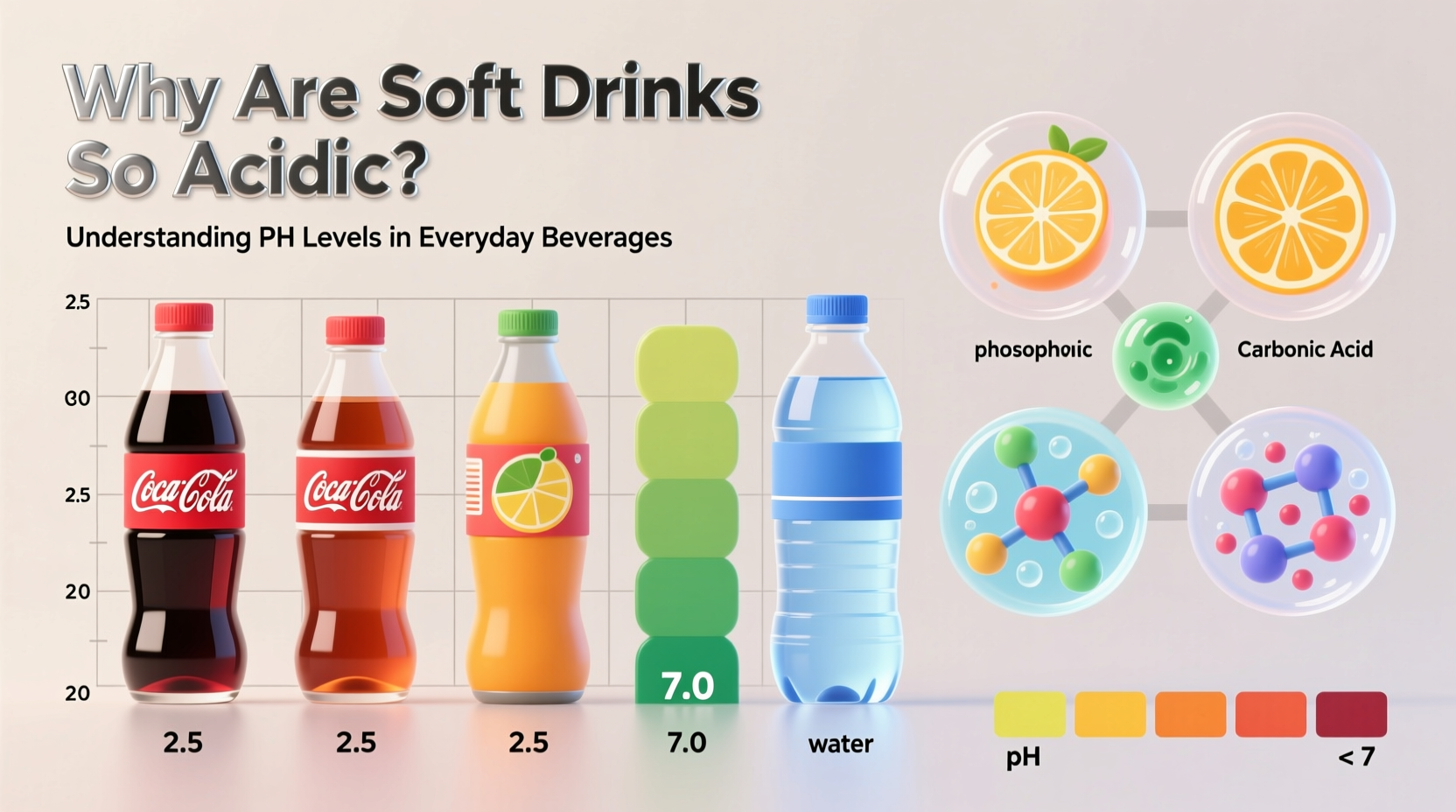
pH is a measure of how acidic or alkaline a substance is, on a scale from 0 to 14. A pH of 7 is neutral (like pure water). Anything below 7 is acidic; above 7 is alkaline. The lower the number, the stronger the acidity. For example, battery acid measures around pH 1, while household bleach is about pH 13.
The human body maintains a tightly regulated internal pH—blood, for instance, stays around pH 7.4. However, ingesting highly acidic foods and drinks doesn’t immediately disrupt this balance, thanks to buffering systems like bicarbonate in the blood. Still, chronic exposure to acidic substances, especially through the mouth and digestive system, can lead to localized damage.
Why Are Soft Drinks So Acidic? Key Ingredients Explained
The acidity in soft drinks comes primarily from added acids used for flavor, preservation, and carbonation. These ingredients serve multiple functional roles but come at a cost to oral and gastrointestinal health.
Carbonic Acid: The Fizz Factor
When carbon dioxide (CO₂) dissolves in water, it forms carbonic acid (H₂CO₃), giving soft drinks their signature bubbles and tangy bite. While carbonic acid is relatively weak, it still lowers the pH of the beverage, typically into the range of 3–4. This level of acidity is enough to begin dissolving tooth enamel over time.
Phosphoric Acid: The Cola Culprit
Found predominantly in colas, phosphoric acid (H₃PO₄) adds tartness and extends shelf life by inhibiting microbial growth. It’s much stronger than carbonic acid and contributes heavily to the low pH of dark sodas. A typical cola has a pH between 2.5 and 3.5—comparable to vinegar.
“Phosphoric acid not only enhances flavor but also increases the erosive potential of cola beverages on dental enamel.” — Dr. Linda Chen, Dental Researcher, Journal of Oral Health
Citric and Malic Acids: Flavor Enhancers in Citrus Sodas
Fruit-flavored soft drinks often contain citric acid (from citrus fruits) or malic acid (found in apples). These organic acids intensify sour notes and improve taste complexity. Unfortunately, they also bind to calcium in tooth enamel, accelerating demineralization. Even sugar-free or “diet” versions remain highly erosive due to these acids.
Comparative pH Levels of Common Beverages
To put soft drink acidity into perspective, here's a comparison of pH values across everyday drinks:
| Beverage | Average pH | Acidity Level |
|---|---|---|
| Stomach acid | 1.5–2.0 | Extremely high |
| Cola (e.g., Coca-Cola) | 2.5–3.5 | Very high |
| Orange soda | 2.8–3.2 | Very high |
| Apple juice | 3.3–4.0 | High |
| Beer | 4.0–5.0 | Moderate |
| Coffee (black) | 4.8–5.1 | Moderate |
| Milk | 6.5–6.7 | Nearly neutral |
| Pure water | 7.0 | Neutral |
As shown, many soft drinks are nearly as acidic as stomach acid—though not as concentrated. Still, repeated exposure without adequate protection can cause cumulative harm.
Health Impacts of Regular Soft Drink Consumption
The effects of acidic soft drinks extend beyond momentary taste sensations. Frequent intake poses several documented health risks:
- Dental Erosion: Acid wears away the protective enamel layer, leading to sensitivity, discoloration, and increased cavity risk.
- Tooth Sensitivity: As enamel thins, dentin becomes exposed, causing pain when consuming hot, cold, or sweet foods.
- Gastroesophageal Reflux (GERD): High acidity can relax the lower esophageal sphincter, promoting acid reflux and heartburn.
- Bone Density Concerns: Some studies suggest excessive phosphoric acid intake may interfere with calcium absorption, though evidence remains debated.
Mini Case Study: Teenager with Advanced Enamel Erosion
A 17-year-old patient presented to a dental clinic with severe tooth sensitivity and yellowing of front teeth. Upon examination, significant enamel loss was observed on the lingual (tongue-side) surfaces of upper molars and incisors. The patient reported consuming 2–3 liters of cola daily, sipping throughout the day. Despite regular brushing, the constant acid exposure had weakened enamel structure. The dentist recommended eliminating daily soda intake, using fluoride toothpaste, and wearing a night guard to prevent further wear. After six months of behavioral change, sensitivity decreased and no new erosion occurred.
How to Reduce the Risks: Practical Steps You Can Take
You don’t have to give up soft drinks entirely to protect your health. Implementing small changes can dramatically reduce their negative impact.
- Limited Frequency: Avoid sipping soft drinks over long periods. Consume them quickly during meals rather than throughout the day.
- Rinse with Water: After finishing a soda, swish with plain water to neutralize acid and wash away residues.
- Use Fluoride Products: Brush with fluoride toothpaste and consider a fluoride mouth rinse to strengthen enamel.
- Choose Less Acidic Alternatives: Opt for drinks like milk, herbal tea, or water infused with fruit instead of carbonated options.
- Avoid Immediate Brushing: Wait 30–60 minutes after drinking acidic beverages before brushing to prevent mechanical abrasion.
Checklist: Safer Soft Drink Habits
- ☑ Drink soda only during meals, not all day
- ☑ Use a reusable straw to bypass teeth
- ☑ Rinse mouth with water afterward
- ☑ Wait 30+ minutes before brushing
- ☑ Switch to low-acid or non-carbonated alternatives when possible
- ☑ Visit your dentist twice a year for erosion screening
Frequently Asked Questions
Are diet sodas less harmful than regular ones?
No—not in terms of acidity. Diet sodas often contain the same acids (phosphoric, citric) as their sugary counterparts. While they eliminate sugar-related cavity risks, they remain highly erosive to enamel.
Can drinking soft drinks affect digestion?
Yes. Chronic consumption may aggravate conditions like acid reflux or gastritis, particularly in sensitive individuals. The combination of carbonation and acidity can increase stomach pressure and irritation.
Is sparkling water as acidic as soda?
Plain sparkling water is mildly acidic (around pH 5–6) due to carbonation, but far less so than soft drinks. Flavored sparkling waters sometimes include citric acid, which increases erosive potential—check labels carefully.
Conclusion: Making Informed Choices for Long-Term Health
The acidity of soft drinks isn’t just a chemical curiosity—it’s a real factor in dental decay, digestive discomfort, and overall wellness. While occasional consumption is unlikely to cause harm, habitual intake demands awareness and mitigation strategies. By understanding what makes these beverages acidic and how they interact with your body, you gain control over their impact.
Small adjustments—like switching to a straw, limiting frequency, and rinsing after drinking—can preserve your smile and comfort for years. Knowledge is the first step toward healthier habits.




 浙公网安备
33010002000092号
浙公网安备
33010002000092号 浙B2-20120091-4
Comments
No comments yet. Why don't you start the discussion?