
The softness of a cat’s fur is one of the most delightful aspects of feline companionship. Some cats feel like clouds under your fingertips, while others have coarser or wiry coats that lack that plush texture. While it might seem like a matter of luck, several interconnected factors determine how soft a cat’s fur feels. From genetics and breed to nutrition, grooming, and environmental conditions, understanding these elements can help you appreciate—and even improve—the texture of your cat’s coat.
Breed and Genetics: The Foundation of Fur Texture
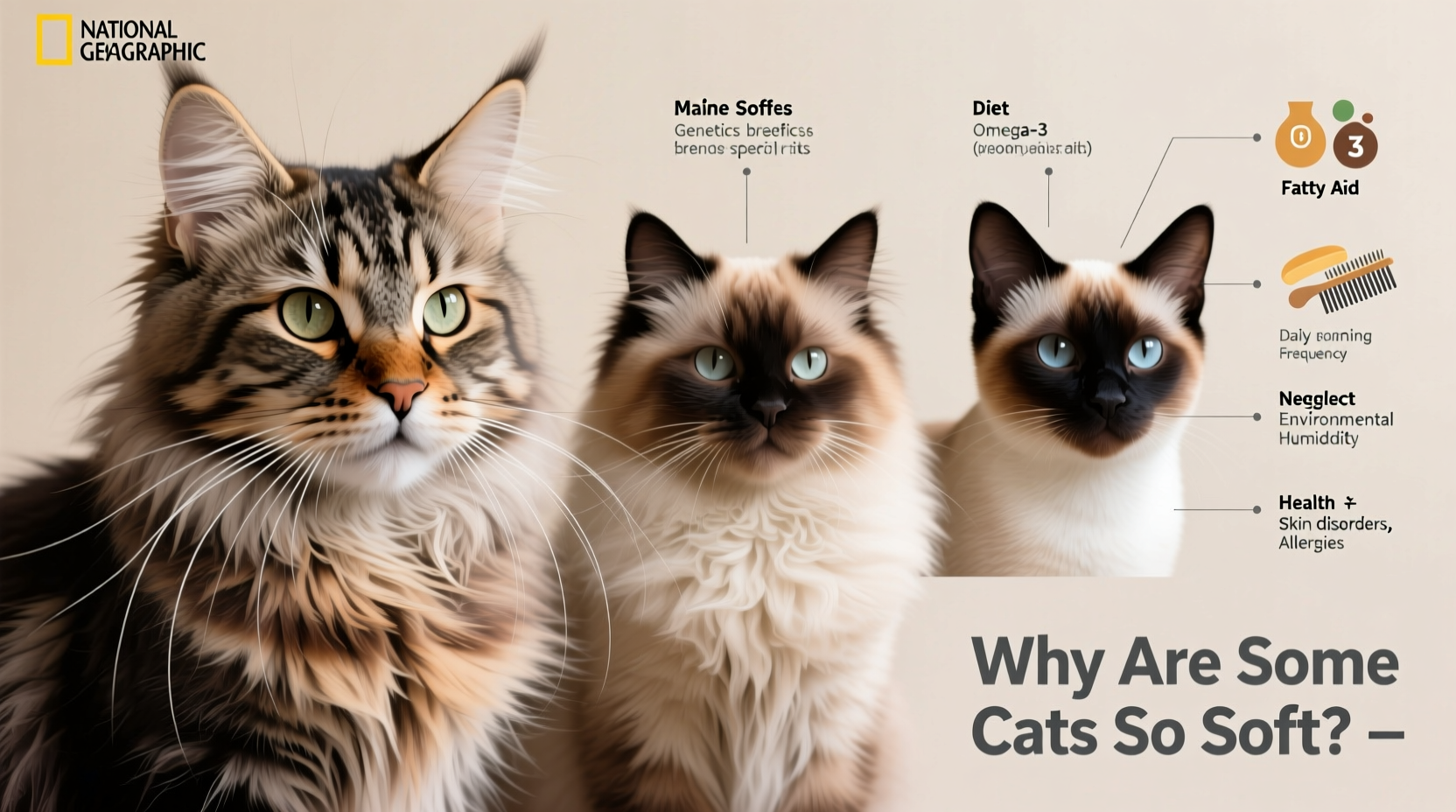
A cat’s genetic makeup plays a foundational role in determining fur softness. Certain breeds are naturally predisposed to having softer, silkier coats due to their ancestry and selective breeding.
For example, Persian and Ragdoll cats are renowned for their luxuriously soft double coats. Persians have long, dense fur with a fine undercoat that gives them a velvety feel. Similarly, Ragdolls boast semi-long hair with minimal undercoat, resulting in a silky, low-shedding texture. In contrast, breeds like the American Shorthair or Egyptian Mau tend to have shorter, denser coats that may feel firm rather than fluffy.
Even within mixed-breed cats, inherited traits from ancestors can influence coat quality. A domestic shorthair with a lineage that includes a longhaired breed might exhibit unexpectedly soft patches or overall smoother fur.
“Coat texture is largely hereditary. If a kitten comes from parents with healthy, soft fur, it’s far more likely to develop similar qualities—provided environmental needs are met.” — Dr. Lena Torres, Feline Dermatology Specialist
Nutrition: Fueling Healthy, Soft Fur from Within
No amount of grooming can compensate for poor nutrition when it comes to fur quality. A cat’s coat is a direct reflection of internal health, particularly skin and coat condition, which rely heavily on essential nutrients.
Omega-3 and omega-6 fatty acids are critical for maintaining skin hydration and reducing inflammation, both of which contribute to a softer coat. These fats support sebum production—a natural oil secreted by the skin that coats each hair shaft, adding shine and smoothness.
High-quality proteins are equally important. Since fur is primarily made of keratin (a protein), diets deficient in animal-based protein can lead to brittle, dry hair. Look for cat foods where real meat is the first ingredient and that include added taurine, another amino acid vital for coat health.
Grooming Practices: The Hands-On Factor
Regular grooming doesn’t just reduce shedding—it actively improves fur texture. Brushing distributes natural oils along the hair shafts, preventing matting and enhancing softness. For longhaired cats, daily brushing is essential to avoid tangles that can pull on the skin and damage the coat structure.
Different coat types require different tools:
- Slicker brushes work well for removing loose fur and detangling fine or medium-length coats.
- Undercoat rakes are ideal for double-coated breeds like Maine Coons to manage thick underlayers without damaging top fur.
- Soft-bristle brushes gently polish short coats and add sheen.
Bathing, though not always necessary, can also improve softness when done correctly. Use a mild, pH-balanced cat shampoo every 4–6 weeks if needed. Overbathing strips natural oils and can lead to dry, coarse fur.
Environmental and Health Influences
External conditions significantly impact fur quality. Low humidity, especially in heated indoor environments during winter, can dry out a cat’s skin and make fur feel brittle. Using a humidifier can help maintain optimal moisture levels in the air, supporting healthier skin and softer fur.
Seasonal changes also affect coat density. Many cats grow a thicker undercoat in colder months, which may feel less soft due to increased volume and insulation. As temperatures rise, they shed this layer, often revealing a sleeker, smoother topcoat.
Health issues such as flea infestations, fungal infections (like ringworm), allergies, or hormonal imbalances (e.g., hyperthyroidism) can all degrade fur texture. Cats with chronic stress may overgroom, leading to thinning or rough patches. Regular veterinary checkups are essential to rule out underlying medical causes of poor coat condition.
| Factor | Positive Impact on Softness | Negative Impact on Softness |
|---|---|---|
| Breed | Persian, Ragdoll, Himalayan | Wirehair, American Shorthair (dense coat) |
| Diet | High in omega fatty acids, quality protein | Poor nutrient absorption, filler-heavy food |
| Grooming | Daily brushing, occasional bathing | Infrequent care, improper tools |
| Environment | Moderate humidity, clean living space | Dry air, dust, allergens |
| Health | No parasites, balanced hormones | Skin disease, malnutrition, stress |
Step-by-Step Guide to Enhancing Your Cat’s Fur Softness
If you’re aiming to improve your cat’s coat texture, follow this actionable routine:
- Evaluate Diet: Switch to a premium cat food rich in animal protein and omega fatty acids. Consider adding a vet-recommended supplement.
- Establish Grooming Schedule: Brush short-haired cats 2–3 times weekly; long-haired cats daily. Use appropriate tools.
- Monitor Skin Health: Check weekly for flakes, redness, bald spots, or signs of parasites.
- Optimize Environment: Maintain indoor humidity between 40–50% and keep bedding clean.
- Schedule Vet Visits: Annual exams help catch nutritional deficiencies or illnesses early.
- Bathe Sparingly: Only bathe when necessary using a gentle cat-specific shampoo.
Real-Life Example: Bella the Rescue Cat
Bella, a 3-year-old domestic medium-hair, was adopted from a shelter with a patchy, coarse coat. Her new owner noticed excessive scratching and dull fur. After a vet visit, Bella was diagnosed with mild flea allergy dermatitis and a nutrient-deficient diet history.
The owner switched her to a high-protein, grain-free kibble enriched with salmon oil and began weekly brushing sessions. Within two months, Bella’s itching decreased, and her coat regained its luster. By the third month, her fur had transformed into a soft, glossy layer that felt noticeably smoother to the touch. This case highlights how targeted care can reverse poor coat condition—even in cats with challenging starts.
Frequently Asked Questions
Can I make my cat’s fur softer at home without professional products?
Yes. Consistent brushing, feeding a balanced diet, and maintaining a clean, humid environment can significantly improve softness over time. Avoid human shampoos or lotions, which can irritate feline skin.
Why does my cat’s fur feel coarser in winter?
Cats often grow a denser undercoat during colder months for insulation. This undercoat can feel thicker and less soft. Regular brushing helps remove dead underfur and distribute oils, improving texture.
Is soft fur a sign of good health?
Generally, yes. A shiny, soft coat indicates proper nutrition and absence of skin issues. However, some healthy cats naturally have coarser fur due to breed. Always consider overall condition—energy level, appetite, and behavior—alongside coat appearance.
Conclusion: Nurturing Softness Through Knowledge and Care
The softness of a cat’s fur isn’t random—it’s the result of a delicate balance between genetics, diet, grooming, and health. While you can’t change your cat’s breed, you can influence nearly every other factor to promote a healthier, softer coat. Understanding what contributes to fur texture empowers you to provide better care and deepen your bond through gentle grooming and attentive observation.




 浙公网安备
33010002000092号
浙公网安备
33010002000092号 浙B2-20120091-4
Comments
No comments yet. Why don't you start the discussion?