
As the holiday season rolls in, twinkling Christmas lights bring warmth and cheer to homes across the world. But nothing disrupts the festive mood faster than a strand of lights that won’t stay steady—flickering, blinking unpredictably, or cutting out entirely. While some blinking is intentional (thanks to special \"twinkle bulbs\"), random or erratic flashing usually signals an underlying issue. Understanding the root causes and knowing how to troubleshoot them can save time, money, and holiday spirit.
Modern Christmas light strands, whether incandescent or LED, are designed for durability and energy efficiency. Yet, even high-quality sets can develop problems due to wear, environmental exposure, or manufacturing inconsistencies. The good news: most issues are diagnosable and fixable with basic tools and a methodical approach. This guide breaks down the science behind erratic blinking, offers actionable fixes, and equips you with long-term prevention strategies.
Understanding How Christmas Lights Work
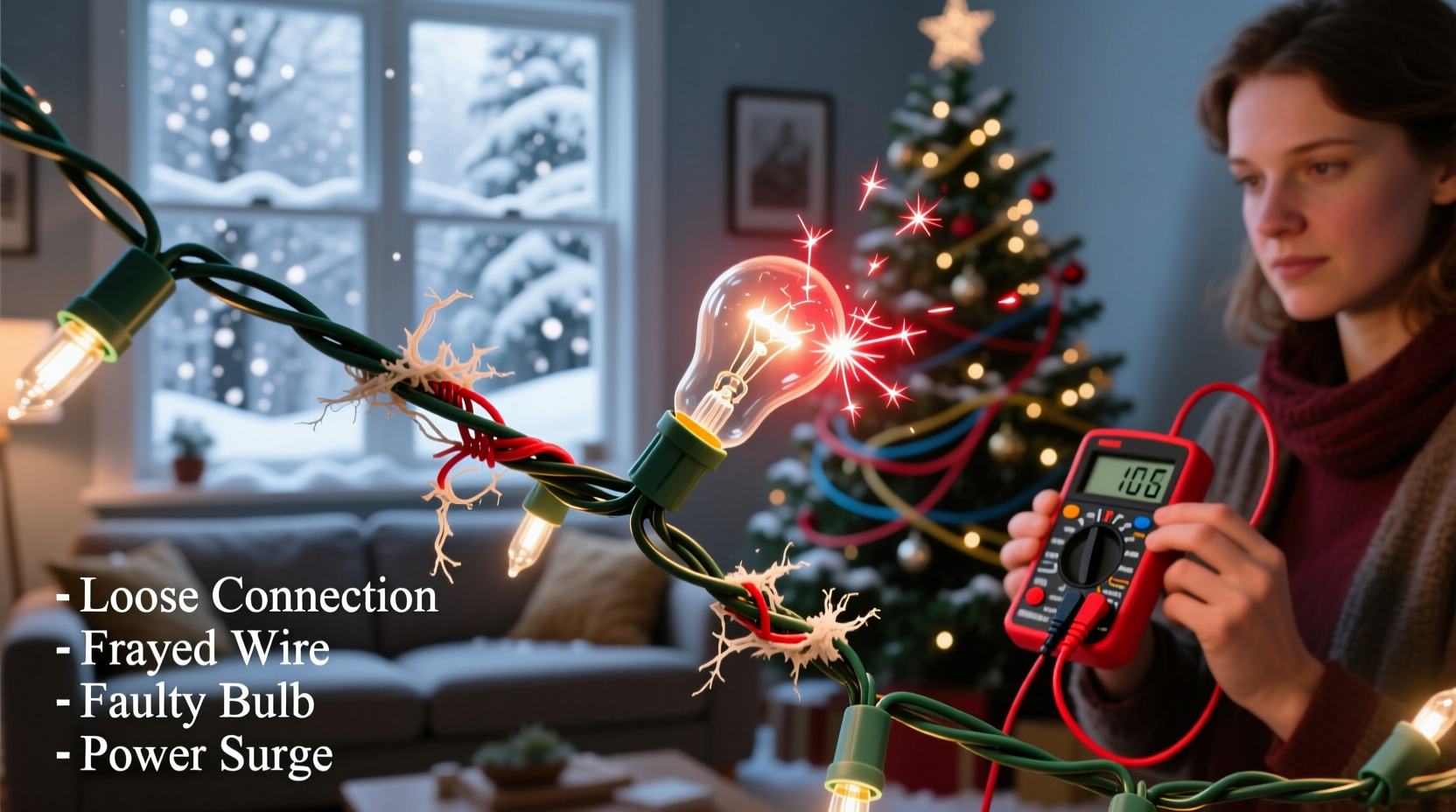
To diagnose blinking issues, it helps to understand the two primary types of Christmas lights and their electrical behavior:
- Incandescent Mini Lights: These traditional bulbs use a filament that glows when electricity passes through. Many older strands are wired in series, meaning each bulb relies on the one before it to complete the circuit. If one bulb fails or becomes loose, the entire section—or sometimes the whole strand—can go dark or behave erratically.
- LED Christmas Lights: More energy-efficient and longer-lasting, LED strands often use parallel wiring or advanced shunt technology. This allows individual bulbs to fail without shutting down the whole string. However, LEDs are sensitive to voltage fluctuations and controller malfunctions, which can lead to random blinking.
Some blinking is by design. Many light sets include a “flasher” or “twinkle” bulb—a special bulb with a bimetallic strip that heats up, breaks the circuit, cools, and reconnects repeatedly, creating a blinking effect. When this bulb is working correctly, the blinking is rhythmic and consistent. Random or chaotic blinking, however, is not normal and typically indicates a fault.
“Over 70% of erratic Christmas light behavior stems from poor connections or incompatible controllers.” — Alan Reeves, Electrical Technician & Holiday Lighting Specialist
Common Causes of Random Blinking
Random blinking isn’t just annoying—it’s a symptom. Identifying the cause is the first step toward a permanent fix. Below are the most frequent culprits:
1. Loose or Faulty Bulbs
A single loose bulb can interrupt the circuit in series-wired strings, causing intermittent power loss. In LED strands, a damaged diode may send irregular signals, making adjacent bulbs flicker.
2. Damaged Wiring or Connectors
Outdoor lights exposed to weather, animals, or accidental tugs can develop frayed wires or corroded plugs. Even minor damage can create fluctuating resistance, leading to unpredictable blinking.
3. Overloaded Circuits or Voltage Fluctuations
Daisy-chaining too many strands together can exceed the manufacturer’s limit, causing voltage drops. LEDs are especially sensitive to under-voltage, which may trigger internal protection circuits to blink as a warning.
4. Defective or Incompatible Controllers
Many modern light sets come with built-in controllers offering multiple modes (steady, slow blink, fast flash). A failing controller chip can cycle through modes randomly or glitch into unstable patterns.
5. Mixing Light Types or Brands
Combining different types of lights—such as mixing LED and incandescent strands on the same circuit—can create mismatched current draws. This imbalance may confuse controllers or overload transformers, resulting in erratic behavior.
Step-by-Step Guide to Fix Randomly Blinking Christmas Lights
Follow this systematic troubleshooting process to identify and resolve the issue:
- Unplug the lights immediately. Safety first. Never inspect or handle faulty lights while powered.
- Inspect the plug and outlet. Test the outlet with another device. If it’s dead, the problem may be with your home’s circuit, not the lights.
- Examine the entire strand for visible damage. Look for cracked bulbs, frayed wires, melted sockets, or corroded connectors. Pay extra attention to areas near the ground or where pets might chew.
- Remove and test each bulb. Using a bulb tester or multimeter, check for continuity. Replace any bulbs that don’t register. For incandescent sets, wiggle each bulb gently in its socket—if the lights flicker during contact, that bulb is likely loose or faulty.
- Check for twinkle bulbs in non-twinkle sets. If your strand isn’t supposed to blink, ensure no twinkle bulb has been accidentally inserted. These bulbs are often slightly larger or have a red tip.
- Test the controller (if applicable). Switch between lighting modes. If the lights blink erratically in all modes or fail to respond, the controller is likely defective.
- Verify daisy-chain limits. Count how many strands are connected. If you’ve exceeded the manufacturer’s recommended number, disconnect extras and test again.
- Try a different power source. Plug the lights into another outlet, preferably on a different circuit, to rule out household voltage issues.
- Use a dedicated light tester. Devices like the LightKeeper Pro can send pulses through the strand to clear shunt failures or reset LED drivers.
- Replace the fuse (if accessible). Some plugs contain small fuses. Use a fuse tester or replace with an identical rating (usually 3A or 5A).
Do’s and Don’ts: Maintaining Stable Christmas Lights
| Do’s | Don’ts |
|---|---|
| Store lights on reels or cardboard spools to prevent tangling and wire stress. | Don’t yank lights off trees or railings—this damages sockets and wires. |
| Label light types and lengths for easier setup next year. | Don’t mix LED and incandescent strands on the same circuit. |
| Use outdoor-rated extension cords and GFCI outlets for exterior displays. | Don’t overload power strips or indoor outlets beyond capacity. |
| Inspect lights annually before installation. | Don’t leave malfunctioning lights plugged in unattended. |
| Keep spare bulbs and fuses on hand. | Don’t attempt to repair severely damaged wiring without proper knowledge. |
Real-World Example: The Case of the Flickering Front Porch
Consider Sarah, a homeowner in Portland, Oregon. Every winter, she decorates her porch with six linked strands of LED icicle lights. Last December, the display began blinking randomly—sometimes steady, sometimes rapid flashes, often cutting out mid-cycle. She followed online advice but saw no improvement.
After unplugging the set, she inspected each connector and noticed greenish corrosion on the male end of one strand. Living in a rainy climate, moisture had seeped into the connection point. She cleaned the contacts with isopropyl alcohol, dried them thoroughly, and applied dielectric grease to prevent future corrosion. She also discovered she had linked seven strands—two more than the manufacturer’s limit of five. After removing the extras and reassembling the display, the lights operated smoothly for the rest of the season.
Sarah’s experience highlights two key points: environmental factors matter, and exceeding technical limits can mimic electronic failure.
Prevention and Long-Term Care Tips
Fixing blinking lights is useful, but preventing the issue altogether saves time and frustration. Here are proven strategies for reliable performance year after year:
- Invest in quality lights. Higher-end brands often use better insulation, tighter seals, and stable drivers. Look for UL certification and weatherproof ratings (e.g., IP44 or higher) for outdoor use.
- Use surge protectors. Power surges from storms or grid fluctuations can damage sensitive LED components. Plug holiday displays into a surge-protected outlet.
- Label and organize by type. Keep LED, incandescent, and twinkle-mode strands separate. This prevents accidental mismatches during setup.
- Store properly. Wrap lights around wide spools—not tight spirals—to avoid stressing internal wires. Store in sealed bins away from rodents and temperature extremes.
- Test before decorating. Plug in each strand indoors before hanging. Catch issues early when they’re easier to fix.
Frequently Asked Questions
Why do only half my Christmas lights blink?
This often occurs in multi-circuit strands where each half operates independently. If one circuit has a faulty bulb or connection, it may blink erratically while the other remains steady. Inspect both sections separately and replace any defective components.
Can I fix LED Christmas lights that blink randomly?
Yes, in many cases. Start by checking for loose bulbs, damaged wires, or overloaded circuits. Use a LightKeeper Pro or similar tool to reset shunts. If the controller is faulty, replacement may be necessary—but some models allow swapping just the control box.
Is it safe to leave blinking Christmas lights on overnight?
Modern, certified lights used within their rated limits are generally safe. However, never leave malfunctioning or overheating lights unattended. Use timers to limit runtime and reduce fire risk. Always follow manufacturer guidelines for continuous operation.
Conclusion: Enjoy a Steady, Sparkling Display
Randomly blinking Christmas lights are more than a nuisance—they’re a solvable puzzle. With a clear understanding of how holiday lighting systems work, a methodical troubleshooting process, and smart maintenance habits, you can restore reliability and enjoy a flawless display. Whether it’s a loose bulb, corroded connector, or overloaded circuit, most issues are within reach of a careful DIY fix.
Take the time this season to inspect, test, and care for your lights. Not only will your decorations look better, but they’ll last longer and perform more safely. And when the lights shine steadily through the winter nights, you’ll know the effort was worth it.




 浙公网安备
33010002000092号
浙公网安备
33010002000092号 浙B2-20120091-4
Comments
No comments yet. Why don't you start the discussion?