
As holiday decorations go up each year, twinkling Christmas lights transform homes into festive displays. But if you’ve ever touched a strand of lights and felt unexpected warmth, you might have paused—should you be concerned? The short answer is: it depends. While some heat from Christmas lights is normal, excessive warmth can signal inefficiency, wear, or even a fire risk. Understanding why certain lights generate heat—and when that heat becomes dangerous—is essential for a safe and joyful season.
How Christmas Lights Generate Heat
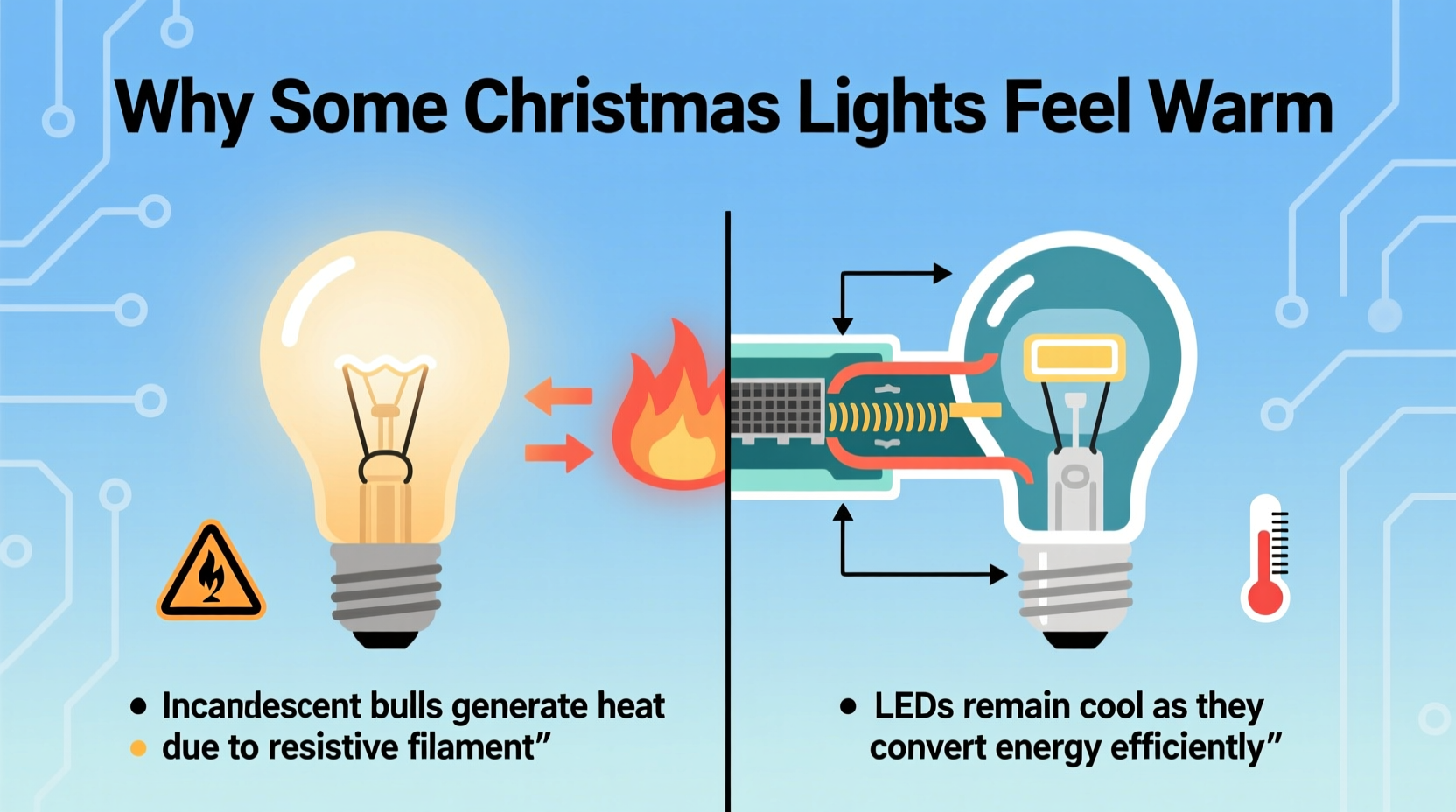
The warmth you feel from Christmas lights comes from the way electricity flows through the filament or LED components in each bulb. In traditional incandescent bulbs, electrical current passes through a thin tungsten wire (filament) inside the bulb. As resistance builds, the filament heats up until it glows, producing both light and heat. This process is inherently inefficient—up to 90% of the energy used is lost as heat rather than visible light.
In contrast, LED (light-emitting diode) Christmas lights operate differently. They use semiconductors to emit light when an electric current passes through them. LEDs produce very little heat because they don’t rely on heating a filament. Instead, any warmth felt in LED strands typically comes from the circuit board or power adapter, not the bulbs themselves.
This fundamental difference explains why older incandescent strings feel noticeably warmer than modern LED alternatives. If your lights are hot to the touch after just a few minutes, they’re likely incandescent or low-quality LEDs with poor heat dissipation.
Are Warm Christmas Lights a Fire Hazard?
Warmth alone doesn’t automatically mean danger. Many well-maintained incandescent lights will feel warm but remain within safe operating temperatures. However, several factors can turn warm lights into a real fire hazard:
- Overheating due to poor ventilation – Lights tucked tightly into artificial trees, draped over flammable materials, or bundled too closely together can trap heat.
- Damaged wiring or frayed cords – Exposed wires increase resistance and can spark, especially near dry foliage or curtains.
- Using indoor lights outdoors – Indoor-rated strands aren’t built to withstand moisture or temperature swings, increasing failure risks.
- Exceeding manufacturer’s connector limits – Daisychaining too many strands together overloads circuits, raising temperatures dangerously.
- Old or worn-out lights – Bulbs with darkened glass, flickering behavior, or loose sockets often indicate internal damage.
The U.S. Fire Administration reports that between 2017 and 2019, U.S. fire departments responded to an average of 710 home fires per year involving decorative lighting. These fires caused an estimated 7 deaths, 51 injuries, and $23 million in direct property damage annually. While most were linked to faulty installation or outdated equipment, they underscore the importance of vigilance.
“Any light string that feels hot should be unplugged immediately. That’s not just inefficient—it’s a red flag.” — Mark Schneider, Electrical Safety Engineer at the National Fire Protection Association (NFPA)
Incandescent vs. LED: A Safety and Efficiency Comparison
To better understand which lights are safer and why, consider the following comparison:
| Feature | Incandescent Lights | LED Lights |
|---|---|---|
| Heat Output | High – Filament-based; generates significant waste heat | Low – Minimal heat from semiconductor operation |
| Energy Use | High – Up to 10x more than LEDs | Low – Typically 80–90% more efficient |
| Lifespan | 1,000–2,000 hours | 25,000–50,000 hours |
| Fire Risk | Higher – Especially when misused or damaged | Very low – Safer for indoor and outdoor use |
| Cost Over Time | Higher – More replacements and higher electricity bills | Lower – Long lifespan offsets initial price |
The data makes a compelling case: switching to LED Christmas lights reduces fire risk, lowers energy costs, and minimizes maintenance. While premium LED strands may cost more upfront, their longevity and safety benefits far outweigh the initial investment.
Real-World Example: A Close Call During the Holidays
In December 2021, a family in Ohio experienced a near-disaster when a strand of vintage incandescent lights, stored in their attic for years, was plugged into their living room tree. Within an hour, the room filled with smoke. The homeowner noticed the sharp smell of melting plastic and quickly cut power. Investigation revealed that one bulb had cracked internally, causing arcing across exposed wires. The base of the tree, made of synthetic material, showed signs of scorching.
Fire investigators later confirmed that the lights had exceeded their recommended lifespan and were not rated for indoor prolonged use. The family had unknowingly reused a set over 15 years old. Fortunately, no one was injured, but the incident prompted them to replace all their holiday lighting with modern, certified LED products.
This scenario is more common than many realize. Decorative lights are often kept for decades, passed down through generations, or purchased secondhand without inspection. Yet like any electrical device, they degrade over time—especially when stored improperly in damp or hot conditions.
Step-by-Step Guide to Safe Holiday Lighting
Follow this practical timeline to ensure your Christmas lights are safe before, during, and after the season:
- Inspect Before Plugging (Week 1)
Unpack each strand and examine for frayed wires, cracked bulbs, or loose connections. Discard any set with visible damage. - Test One Strand at a Time (Week 1)
Plug in each set individually to check for flickering, dim sections, or overheating. Use a non-contact thermometer if available to gauge surface temperature. - Check Ratings and Labels (Week 2)
Ensure indoor lights stay indoors and outdoor lights are UL-listed for exterior use. Verify voltage compatibility and connector limits. - Install with Clearance (Week 2)
Keep lights away from curtains, bedding, paper decorations, and anything flammable. Avoid tight bundling; allow airflow around cords. - Use Timers or Smart Plugs (Ongoing)
Set automatic shutoffs—ideally 4–6 hours after use—to prevent extended operation while sleeping or away. - Monitor During Use (Throughout Season)
Touch-test lights occasionally. If they feel hot, unplug immediately and investigate the cause. - Store Properly After Use (January)
Coil gently around a cardboard spool or use specialized light reels. Store in a cool, dry place away from rodents and moisture.
Essential Safety Checklist
Before turning on your holiday display, go through this checklist to minimize risks:
- ✅ All light strands are UL-listed or ETL-certified
- ✅ No frayed wires, cracked sockets, or bent prongs
- ✅ Indoor/outdoor ratings match usage location
- ✅ Not exceeding maximum daisy-chain length (check manufacturer specs)
- ✅ Plugged into surge-protected outlets, not overloaded circuits
- ✅ Equipped with timers or smart controls for automatic shutoff
- ✅ Kept away from high-traffic areas where cords could be tripped over
- ✅ Tree (real or artificial) is stable and hydrated (if real)
Frequently Asked Questions
Is it normal for Christmas lights to be warm?
Yes, to a degree. Incandescent lights will naturally feel warm due to their design. However, they should never be hot enough to cause discomfort when touched briefly. LED lights should remain close to room temperature. If any strand feels hot, unplug it and inspect for faults.
Can LED Christmas lights catch fire?
While extremely rare, LED lights can pose a fire risk if they have manufacturing defects, damaged wiring, or are used with incompatible power sources. The risk is significantly lower than with incandescent lights, but proper use and inspection are still critical.
How long can I leave Christmas lights on?
It’s safest to limit continuous operation to 6–8 hours. Using a timer ensures lights turn off automatically, reducing heat buildup and energy use. Never leave lights on overnight or when leaving the house unattended.
Conclusion: Shine Bright, Stay Safe
Christmas lights bring joy, nostalgia, and warmth to the darkest time of year—but literal warmth from your decorations shouldn’t be ignored. Understanding the technology behind different types of lights empowers you to make safer choices. Whether you’re using heirloom strands or upgrading to smart LEDs, regular inspection, proper installation, and mindful usage are key.
The holiday season shouldn’t come with hidden dangers. By choosing efficient LED lighting, respecting manufacturer guidelines, and staying alert to warning signs like excessive heat or flickering, you protect not only your home but also the memories being made within it.




 浙公网安备
33010002000092号
浙公网安备
33010002000092号 浙B2-20120091-4
Comments
No comments yet. Why don't you start the discussion?