
Eggs sit in nearly every refrigerator across the world, a staple of breakfast tables, baking recipes, and meal prep routines. Yet one question continues to spark curiosity: Why do some eggs come in brown shells while others are white? More importantly, does the color of the shell affect the egg’s nutrition, taste, or quality? The answer may surprise you—especially if you’ve been paying extra for brown eggs under the assumption they’re healthier.
The variation in eggshell color is not a result of genetic engineering or artificial coloring. Instead, it's a natural outcome of poultry biology, breed genetics, and farming practices. Despite widespread myths, the shell color has no meaningful impact on an egg’s nutritional value. What matters more are factors like the hen’s diet, living conditions, and overall health—all of which influence the egg inside, regardless of its outer hue.
The Science Behind Eggshell Color
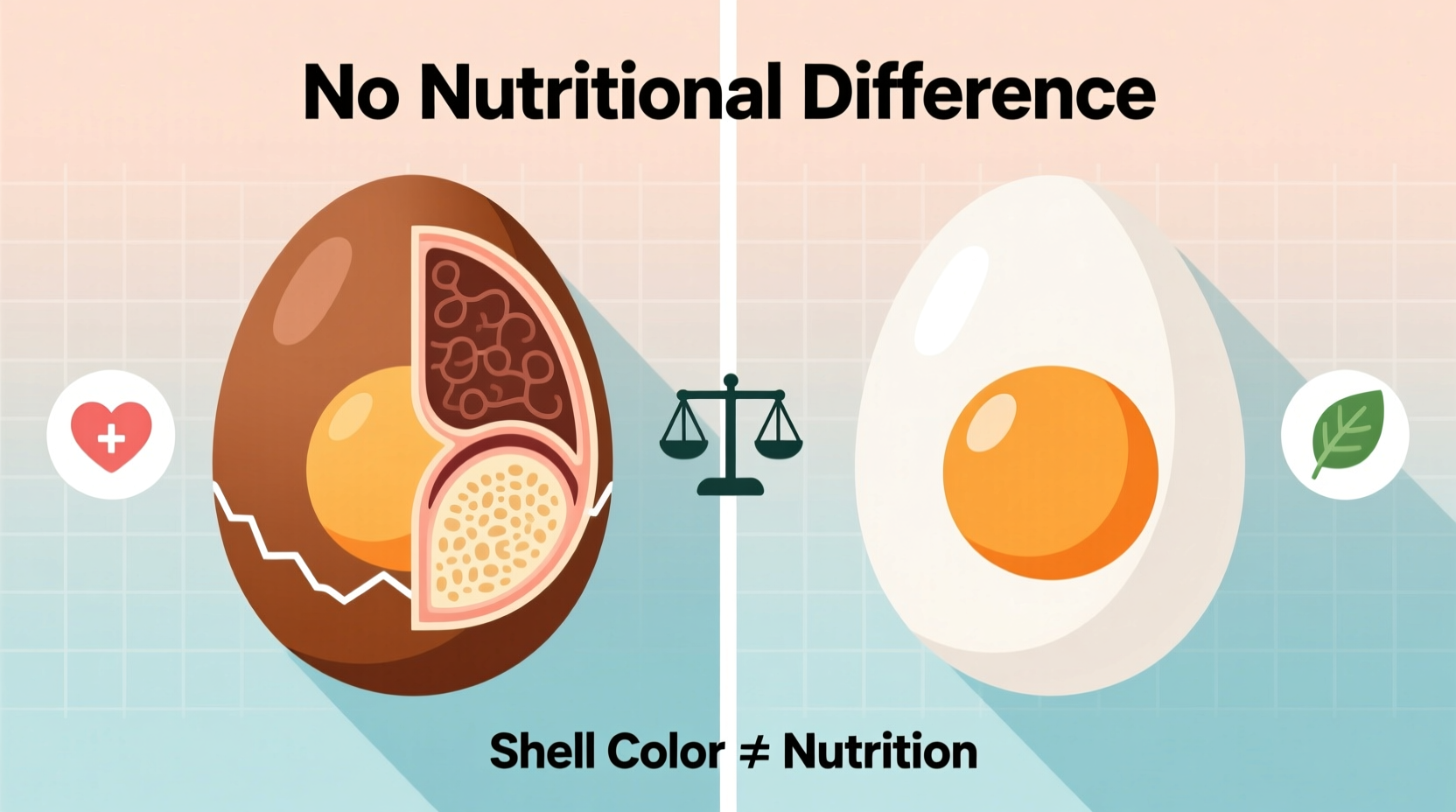
Eggshell color is determined primarily by the breed of the chicken. The pigments responsible for shell color are deposited during the final hours of egg formation in the hen’s oviduct. White-shelled eggs are produced by breeds such as Leghorns, which lack pigment-producing cells in their reproductive tract. Brown-shelled eggs come from breeds like Rhode Island Reds or Plymouth Rocks, which secrete a pigment called protoporphyrin IX as the egg passes through the shell gland.
Interestingly, the intensity of the brown color can vary depending on the individual hen’s age and health. Younger hens tend to lay eggs with darker shells, while older hens may produce lighter or more speckled brown eggs. Some breeds even lay blue or green eggs due to the presence of a different pigment, biliverdin, but these are less common in commercial markets.
Common Breeds and Their Egg Colors
| Breed | Typical Egg Color | Notes |
|---|---|---|
| White Leghorn | White | Most common in large-scale commercial farms |
| Rhode Island Red | Brown | Hardy, high-yield backyard favorite |
| Plymouth Rock | Brown | Known for consistent laying |
| Araucana | Blue or Green | Natural biliverdin production |
| Marans | Dark Chocolate Brown | Rare breed; prized for rich shell color |
Nutritional Comparison: Brown vs. White Eggs
Despite persistent consumer beliefs, there is no inherent nutritional difference between brown and white eggs when the hens are fed the same diet and raised under similar conditions. A large egg—regardless of shell color—contains approximately:
- 70–80 calories
- 6–7 grams of protein
- 5 grams of fat (including 1.5 grams of saturated fat)
- 185–215 milligrams of cholesterol
- Essential vitamins: A, D, B12, riboflavin, and choline
The U.S. Department of Agriculture (USDA) confirms that shell color does not influence the nutrient profile of the egg. Any variations in yolk color, flavor, or texture are due to the hen’s feed—not the color of the shell.
“Shell color is purely cosmetic. It tells you about the breed of the hen, not the quality or nutrition of the egg.” — Dr. Karen Karp, Sustainable Food Systems Scientist
Where confusion arises is in marketing. Brown eggs are often sold at a premium, leading consumers to assume they are more natural, organic, or nutritious. In reality, this price difference stems from production costs—brown-egg-laying hens are typically larger and require more feed, increasing overhead for farmers.
What Actually Influences Egg Nutrition?
If shell color doesn’t matter, what does? Several key factors determine the nutritional quality of an egg:
1. Hen’s Diet
Diet is the most significant factor. Hens fed omega-3 enriched feeds produce eggs with higher levels of heart-healthy fats. Similarly, diets rich in corn or marigold petals lead to deeper orange yolks due to increased carotenoids, which are antioxidants beneficial for eye health.
2. Living Conditions
Hens with access to pasture and sunlight tend to produce eggs with higher vitamin D levels. Studies have shown that pastured eggs can contain up to four times more vitamin D than those from caged hens.
3. Feed Supplements
Some commercial producers enrich feed with flaxseed, algae, or vitamin D supplements to boost specific nutrients. These enhancements are reflected on labels like “Omega-3 Enriched” or “High in Vitamin D,” not on shell color.
4. Freshness
Fresher eggs have firmer whites and more centered yolks. While freshness doesn’t change macronutrients significantly, it affects culinary performance and taste.
Real Example: Two Farms, Same Egg Quality
Consider two farms: one in Iowa producing white eggs using White Leghorns, and another in Vermont raising Rhode Island Reds for brown eggs. Both farms use identical feed formulations—non-GMO grains, flaxseed, and added vitamins—and allow hens daily outdoor access. When tested side by side, the eggs from both farms show nearly identical nutrition profiles: comparable protein, fat, omega-3s, and vitamin levels.
Yet, the Vermont brown eggs are priced 20% higher due to regional branding and consumer perception. Taste tests conducted blind reveal no consistent preference between the two. This example illustrates how external factors—not shell color—dictate quality and cost.
Debunking Common Myths
Several misconceptions persist about eggshell color. Let’s address them directly:
- Myth: Brown eggs are more natural or organic.
Reality: Shell color has nothing to do with farming methods. Organic certification depends on feed and animal welfare standards, not breed. - Myth: Brown eggs taste better.
Reality: Taste is influenced by freshness and diet. In controlled trials, tasters cannot reliably distinguish between brown and white eggs. - Myth: White eggs are bleached.
Reality: No commercial eggs are bleached. White eggs are naturally white; brown eggs may be washed, which removes surface bloom but doesn’t alter the shell’s base color. - Myth: Brown eggs have thicker shells.
Reality: Shell thickness depends on hen age and calcium intake, not color. Younger hens lay thicker-shelled eggs regardless of breed.
Step-by-Step Guide to Choosing High-Quality Eggs
To get the best eggs—regardless of shell color—follow this practical checklist:
- Read the label carefully. Look for terms like “pasture-raised,” “organic,” or “vegetarian-fed” to understand the hen’s diet and environment.
- Check for third-party certifications. Labels like Certified Humane, Animal Welfare Approved, or USDA Organic indicate regulated standards.
- Examine the yolk after cracking. A deep yellow or orange yolk suggests a diet rich in carotenoids, often found in hens with access to greens and insects.
- Assess freshness. Use the float test: place the egg in water. If it lies flat, it’s fresh; if it stands upright, it’s older; if it floats, discard it.
- Support local farms. Farmers’ market eggs often come from diverse breeds and varied diets, offering richer flavor and nutritional complexity.
FAQ
Do brown eggs cook differently than white eggs?
No. Cooking behavior—such as how an egg scrambles, poaches, or hard-boils—is unaffected by shell color. Differences in cooking results are due to freshness and storage, not the shell.
Are brown eggs better for baking?
No. In baking, eggs act as binders, leaveners, and emulsifiers. The internal composition, not shell color, determines performance. Any large egg works equally well.
Can I substitute brown eggs for white eggs in recipes?
Absolutely. They are nutritionally and functionally interchangeable. Use whichever is fresher or more affordable.
Final Thoughts and Actionable Checklist
Understanding that eggshell color is a genetic trait—not a marker of quality—empowers smarter grocery choices. Instead of focusing on appearance, prioritize transparency in sourcing and feeding practices. Here’s a quick checklist to guide your next egg purchase:
- ✅ Prioritize \"pasture-raised\" or \"organic\" over shell color
- ✅ Look for third-party welfare certifications
- ✅ Choose eggs with a recent pack date
- ✅ Support local farms when possible
- ✅ Ignore marketing claims tied only to color
“The most nutritious egg isn’t defined by its shell, but by the life of the hen who laid it.” — Dr. Alison Van Eenennaam, Animal Biotechnology Specialist, UC Davis
Conclusion
The next time you stand in front of a refrigerated case filled with brown, white, and even speckled eggs, remember: color doesn’t count. What truly matters is how the hen was raised, what she ate, and how fresh the egg is. Brown eggs aren’t healthier. White eggs aren’t inferior. The real story is behind the scenes—in the feed, the farm, and the care.
You don’t need to pay more for brown shells to eat well. Focus on verified labels, local sources, and freshness instead. By making informed choices, you support ethical farming and get better food—without falling for color-based myths.




 浙公网安备
33010002000092号
浙公网安备
33010002000092号 浙B2-20120091-4
Comments
No comments yet. Why don't you start the discussion?