
Stink bugs are a familiar sight in gardens, farms, and homes across North America and beyond. While most people associate them with their grayish-brown color and pungent odor, a surprising number of stink bugs appear bright green. This variation often raises questions: Why are some stink bugs green? Are they a different species? And how can you accurately identify them? Understanding the biology, appearance, and behavior of green stink bugs is essential for gardeners, farmers, and homeowners alike who want to manage these insects effectively.
The Science Behind Green Stink Bugs
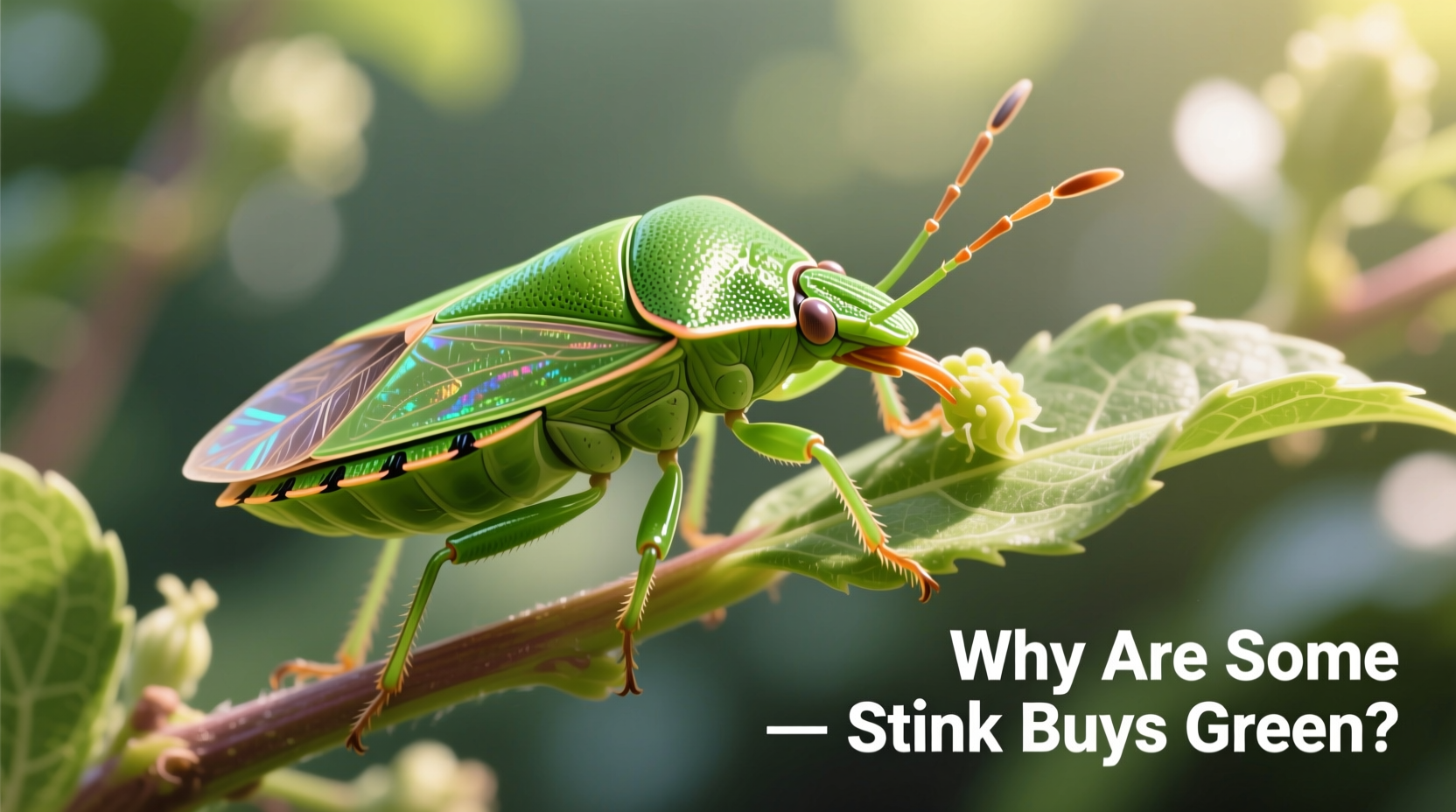
The green coloration in certain stink bugs is not a mutation or anomaly—it’s a natural trait tied to species identity and evolutionary adaptation. The most common green stink bug in North America is *Chinavia hilaris*, formerly known as *Acrosternum hilare*. This species belongs to the family Pentatomidae, which includes over 4,000 species of shield-shaped bugs worldwide.
Unlike the invasive brown marmorated stink bug (*Halyomorpha halys*), which tends to be gray-brown with white bands on its antennae and legs, the green stink bug exhibits a vibrant lime to olive-green body. This color serves multiple purposes:
- Camouflage: The green hue helps them blend into foliage, especially on host plants like tomatoes, beans, and fruit trees.
- Thermoregulation: Lighter colors may help reflect sunlight, preventing overheating during peak summer months.
- Species Signaling: Color can play a role in mating recognition and deterrence of predators unfamiliar with their chemical defenses.
It's important to note that juveniles (nymphs) of many stink bug species—including green ones—may appear even brighter or have contrasting markings, such as black and orange patterns, before maturing into their adult form.
How to Identify Green Stink Bugs
Accurate identification prevents misclassification and ensures appropriate pest management. The green stink bug has several distinguishing features that set it apart from other members of the Pentatomidae family.
Key Physical Characteristics
| Feature | Description |
|---|---|
| Color | Bright green to yellowish-green; may fade after death |
| Size | Approximately 12–17 mm (about ½ inch) long |
| Shape | Shield-shaped body typical of all stink bugs |
| Antennae | Green with faint or no banding; lacks distinct white bands |
| Abdomen | Extends slightly beyond wings, often edged in thin yellow line |
| Scent Glands | Present on underside; emit foul odor when disturbed |
One common confusion arises between the native green stink bug and the invasive brown marmorated stink bug. While juveniles of the latter can sometimes appear greenish, adults are uniformly mottled gray-brown with prominent white bands on antennae and legs—features absent in true green stink bugs.
“Correct identification is critical. Misidentifying a native green stink bug as an invasive species can lead to unnecessary pesticide use, harming beneficial insects.” — Dr. Laura Rodriguez, Entomologist at the University of Maryland Extension
Habitat and Behavior Patterns
Green stink bugs are primarily agricultural pests but also frequent backyard gardens. They thrive in warm climates and are most active from late spring through early fall. Their life cycle includes five nymphal stages before reaching adulthood, with each stage becoming progressively more similar to the adult form.
These insects feed using piercing-sucking mouthparts, inserting them into plant tissues to extract sap. Preferred hosts include:
- Soybeans
- Cotton
- Tomatoes
- Peppers
- Fruit trees (especially peaches and apples)
- Legumes such as beans and peas
Damage appears as sunken, discolored spots on fruits and seeds, often leading to deformation or premature drop. In soybean fields, heavy infestations can significantly reduce yield and oil content in seeds.
During cooler months, green stink bugs seek shelter under bark, leaf litter, or structures. Unlike their invasive counterparts, they are less likely to invade homes in large numbers—but occasional individuals may wander indoors accidentally.
Mini Case Study: A Farmer’s Experience with Green Stink Bug Infestation
In central Georgia, tomato farmer James Holloway noticed irregular blotches on his heirloom crop one July. Initially assuming fungal disease, he applied fungicides with no improvement. After sending samples to the state extension office, he learned the culprit was green stink bugs feeding on developing fruit.
By implementing pheromone traps and introducing native parasitic wasps (*Telenomus podisi*), which target stink bug eggs, Holloway reduced his pesticide use by 60% the following season while improving harvest quality. His experience underscores the importance of accurate identification and integrated pest management (IPM).
What to Do If You Find Green Stink Bugs
Spotting a green stink bug doesn’t always mean immediate action is needed. These insects are part of the ecosystem and occasionally serve as prey for birds, spiders, and predatory insects like assassin bugs. However, intervention may be necessary if populations grow or damage becomes evident.
Step-by-Step Guide: Managing Green Stink Bugs Naturally
- Monitor Regularly: Inspect plants weekly, especially undersides of leaves where eggs are laid in clusters of 12+.
- Remove Eggs Manually: Scrape off egg masses with a stiff brush or cloth soaked in soapy water.
- Encourage Natural Predators: Plant nectar-rich flowers like yarrow or dill to attract parasitic wasps and lady beetles.
- Use Trap Crops: Plant highly attractive crops like millet or sorghum at field edges to lure bugs away from main crops.
- Apply Organic Controls Sparingly: Neem oil or insecticidal soap can suppress nymphs but should be used selectively to avoid harming pollinators.
Common Myths and FAQs
Are green stink bugs dangerous to humans?
No. Green stink bugs do not bite, sting, or transmit diseases to humans. Their primary defense is releasing a foul odor when threatened.
Do green stink bugs fly?
Yes. Adult green stink bugs have fully developed wings and are capable of flight, allowing them to move between host plants and migrate seasonally.
Can green stink bugs harm pets?
While not toxic, if a pet ingests a stink bug, the unpleasant taste may cause drooling, vomiting, or temporary stomach upset. Supervise curious animals around large aggregations.
Checklist: Identifying and Responding to Green Stink Bugs
- ✅ Observe color: Is the bug consistently green without white bands?
- ✅ Check body shape: Does it have a classic shield-like profile?
- ✅ Look for damage: Are there sunken spots on fruits or seed pods?
- ✅ Search for egg clusters: Small barrel-shaped eggs laid in groups on leaf undersides.
- ✅ Assess population size: One or two bugs may not require action; widespread presence does.
- ✅ Choose non-chemical controls first: Hand removal, traps, or biological agents.
- ✅ Consult local extension services before applying pesticides.
Conclusion: Knowledge Is Your Best Defense
Understanding why some stink bugs are green—and how to correctly identify them—empowers you to make informed decisions about pest control. The green stink bug is a native species with ecological roles, yet it can become a serious agricultural pest under certain conditions. By learning its habits, recognizing its features, and responding with targeted, sustainable strategies, you can protect your plants without disrupting the broader environment.




 浙公网安备
33010002000092号
浙公网安备
33010002000092号 浙B2-20120091-4
Comments
No comments yet. Why don't you start the discussion?