
Squishmallows—those ultra-soft, huggable plush toys shaped like animals, food items, and fantasy creatures—have taken the world by storm. What began as a niche plush line has evolved into a cultural phenomenon, with certain characters commanding hundreds or even thousands of dollars on the resale market. For many parents and collectors alike, the sticker shock is real: a $14.99 retail plush selling for over $500 online seems absurd. So what drives these prices? The answer lies in a perfect storm of emotional appeal, scarcity, social media influence, and strategic marketing that fuels collector frenzy.
The rise of Squishmallows isn’t just about cuteness. It’s a case study in modern consumer behavior, where perceived value often outweighs material cost. To understand why some Squishmallows sell for more than a high-end video game console, we need to unpack the psychology of collecting, the role of exclusivity, and how brands like Kelly Toys have inadvertently (or intentionally) created a secondary market fueled by hype.
The Psychology Behind the Plush Obsession
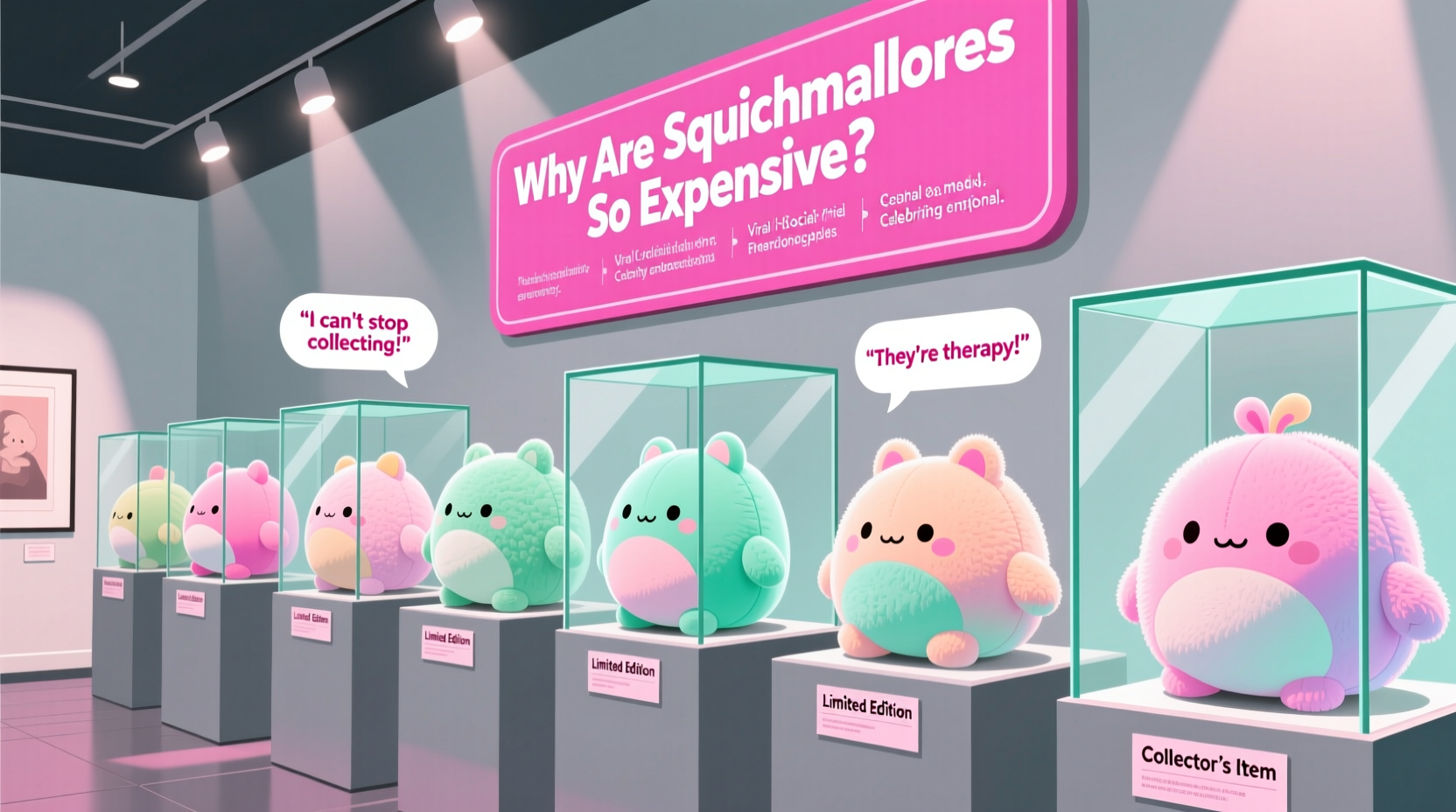
At first glance, Squishmallows appear simple—cotton-polyester blend exteriors filled with soft polyester fiberfill. But their tactile comfort, whimsical designs, and expressive faces tap into deep emotional responses. They’re marketed not just as toys, but as companions. This emotional connection transforms them from disposable items into cherished possessions.
Psychologists note that people form attachments to objects that provide comfort, especially during times of stress. The pandemic accelerated this trend, with adults and children alike seeking solace in soft, comforting items. Squishmallows fit the bill perfectly: lightweight, squeezable, and available in endless varieties. As ownership grew, so did the desire to collect—not just one, but dozens, then hundreds.
What starts as casual interest can quickly evolve into full-blown collecting behavior. Collectors report feeling a sense of accomplishment when completing sets or acquiring rare variants. This “completionist” drive mirrors behaviors seen in stamp, coin, or sneaker collectors—where rarity and uniqueness dictate value far beyond production cost.
“Emotional attachment combined with scarcity creates powerful collecting dynamics. When people feel a personal connection to an object, they’re willing to pay premiums others might find irrational.” — Dr. Lena Torres, Consumer Behavior Researcher, University of Michigan
Scarcity and Limited Editions: The Engine of Hype
Kelly Toys, the company behind Squishmallows, has mastered the art of controlled scarcity. While core characters remain in production, many are released as “retired” or “limited edition” models after short runs. Once discontinued, these plushes no longer appear on shelves, instantly elevating their status among fans.
This strategy mirrors practices used by luxury fashion brands and sneaker companies. By limiting availability, the brand ensures demand outpaces supply. Retailers like Target, Walmart, and Amazon often receive only small allocations, leading to rapid sellouts and long waitlists.
Consider the example of “Macaron the Cat,” a pastel-colored feline Squishmallow retired in 2021. Originally priced at $12.99, it now sells for over $300 in mint condition on secondary marketplaces like eBay and Mercari. Its value isn’t tied to materials—it’s driven entirely by nostalgia, design popularity, and low availability.
How Resale Markets Inflate Prices
The secondary market plays a central role in Squishmallow pricing. Third-party sellers—ranging from individual collectors to organized reseller groups—buy up stock during launches and resell at marked-up prices. Platforms like eBay, StockX (which added Squishmallows in 2022), and Facebook collector groups facilitate this trade.
In 2023, a 24-inch Camo the Crocodile sold for $1,200 on eBay. Another, a rare 16-inch Rainbow variant, fetched $850 despite its original price being under $20. These aren’t isolated cases—they reflect a broader trend where resale values are determined less by condition and more by provenance, size, and community desirability.
Resellers use bots and team-buying strategies to secure inventory during online drops, further squeezing out average consumers. Some collector communities even maintain databases tracking retirement dates, color variations, and rumored releases—information that directly impacts perceived worth.
Mini Case Study: The Rise of “Kiki the Kitten”
Kiki the Kitten, a 12-inch gray tabby with bright green eyes, was introduced in late 2020 as part of a holiday collection. Initially ignored, she gained traction after influencers posted videos praising her “perfect squish.” Within months, fan art, TikTok dances, and memes featuring Kiki went viral.
When Kelly Toys quietly retired Kiki in mid-2021, demand exploded. Parents searching for the plush for birthdays found listings between $75 and $150. Collectors scrambled to complete “kitten squads,” driving competition. Today, sealed-in-box versions of Kiki regularly sell for over $200.
Her story illustrates how digital culture can rapidly inflate the value of a mass-produced item. No changes in materials or craftsmanship occurred—only perception shifted.
Supply Chain Challenges and Production Realities
While hype dominates headlines, underlying supply constraints also contribute to high prices. Squishmallows are primarily manufactured in China and Vietnam, where labor costs, shipping delays, and raw material shortages have impacted output since 2020.
Polyester fiberfill, the main stuffing component, saw price increases due to rising oil costs (a base material for synthetic fibers). Additionally, global container shortages and port congestion delayed shipments, reducing shelf availability even for non-limited items.
Kelly Toys does not disclose exact production numbers, but industry analysts estimate that only 10–15% of Squishmallow designs remain continuously available. The rest follow a seasonal or event-based release cycle, making consistent restocking nearly impossible.
| Factor | Impact on Price | Example |
|---|---|---|
| Limited Release | High | “Lenny the Ladybug” retired 2022, now sells for $90+ |
| Size Rarity | Medium-High | 40-inch Squishmallows often resell for 5x retail |
| Material Cost | Low | Filling and fabric cost under $3 per unit |
| Shipping Delays | Moderate | 2021–2022 delays caused artificial scarcity |
| Social Media Buzz | Very High | TikTok trends doubled demand for specific characters |
Collector Culture and Community Influence
The Squishmallow community is vast and highly engaged. Reddit threads, Discord servers, and Instagram accounts dedicated to showcasing collections number in the tens of thousands. These spaces don’t just celebrate ownership—they establish hierarchies based on rarity, completeness, and display creativity.
Within these circles, owning a retired or oversized Squishmallow signals dedication. Some collectors spend hours curating themed shelves, building custom lighting displays, or creating stop-motion videos with their plushes. The social capital gained from rare finds reinforces the incentive to pursue high-value pieces.
Moreover, Kelly Toys actively engages with this culture. They host “Squishmallow of the Month” clubs, collaborate with influencers, and occasionally tease upcoming retirements—fueling speculation and urgency. While they discourage profiteering, their marketing tactics align closely with those used in collectible markets.
“We never intended for Squishmallows to be traded like stocks, but we see the passion. We try to balance accessibility with excitement.” — Kelly Toys Spokesperson, Interview with Toy Insider, 2023
Checklist: How to Navigate the Squishmallow Market Wisely
- Verify retirement status: Use fan-maintained lists (e.g., Squishmallows Wiki) to confirm if a plush is still in production.
- Set a budget: Decide your max spend before entering resale sites to avoid bidding wars.
- Buy from reputable sellers: Check reviews and request photos of actual items, not stock images.
- Join collector groups: Communities often share restock alerts and warn about scams.
- Avoid impulse buys: Wait 24 hours before purchasing high-priced listings to assess true value.
- Inspect condition carefully: On resale, look for signs of smoke, stains, or missing tags that affect longevity.
Are High Prices Sustainable?
The current pricing model relies heavily on continued demand and perceived scarcity. However, signs suggest a potential correction. In 2023, Kelly Toys expanded manufacturing capacity and increased distribution to reduce sellout frequency. Major retailers now offer subscription-style restock notifications, improving access.
Additionally, market saturation may dampen enthusiasm. As more households own multiple Squishmallows, the novelty wears off. Some collectors report “plush fatigue,” where storage space and maintenance become burdensome. Resale prices for non-rare items have stabilized or declined slightly.
Still, iconic or emotionally resonant characters will likely retain value. Like Beanie Babies in the 1990s, certain Squishmallows may become long-term keepsakes, passed down or displayed as memorabilia. The key difference? Today’s market moves faster, amplified by digital platforms that can turn a quiet plush into a sensation overnight.
FAQ
Why do some Squishmallows get retired?
Kelly Toys retires certain designs to refresh their lineup and create exclusivity. Retirements are often tied to seasonal themes, partnerships, or performance metrics. Once retired, they are not re-released, though similar designs may appear later.
Is it safe to buy Squishmallows from third-party sellers?
Yes, but with caution. Stick to platforms with buyer protection (eBay, Mercari). Always check seller ratings, ask for detailed photos, and confirm whether the item is new, used, or sealed. Beware of counterfeit plushes—authentic ones have clear tags and consistent stitching.
Will Squishmallows ever lose their value?
Most will. Only a small percentage—typically retired, large-sized, or culturally significant characters—maintain long-term value. General inflation and renewed production could reduce scarcity-driven prices over time.
Conclusion: Understanding Value Beyond the Tag
The high cost of Squishmallows isn’t solely about fluff and fabric—it’s about feelings, fandom, and the human tendency to assign meaning to objects. What seems like an overpriced stuffed animal to one person represents joy, comfort, or achievement to another. The collector market amplifies this through scarcity, storytelling, and community validation.
If you're considering buying or collecting Squishmallows, do so with awareness. Know the difference between retail and resale, recognize the role of hype, and prioritize enjoyment over investment unless you’re deeply embedded in the ecosystem. For parents, setting expectations early helps manage disappointment when a desired plush isn’t easily available.




 浙公网安备
33010002000092号
浙公网安备
33010002000092号 浙B2-20120091-4
Comments
No comments yet. Why don't you start the discussion?