
In recent years, Squishmallows have surged from niche plush toys to cultural phenomena, filling shelves, social media feeds, and even therapy rooms. What began as a line of soft, whimsical characters has evolved into a multi-billion-dollar franchise with millions of devoted collectors. But beyond their undeniable cuteness and tactile appeal, what makes these plush companions so irresistible? The answer lies not just in marketing or design, but in deep psychological needs—comfort, connection, nostalgia, and control in uncertain times.
The rise of Squishmallows reflects a broader shift in how people seek emotional regulation through tangible objects. In an increasingly digital and fast-paced world, plush collecting offers a sensory refuge. This article explores the psychological underpinnings of this trend, examining why Squishmallows resonate so powerfully across age groups and cultures.
The Comfort Craving: Touch and Emotional Regulation
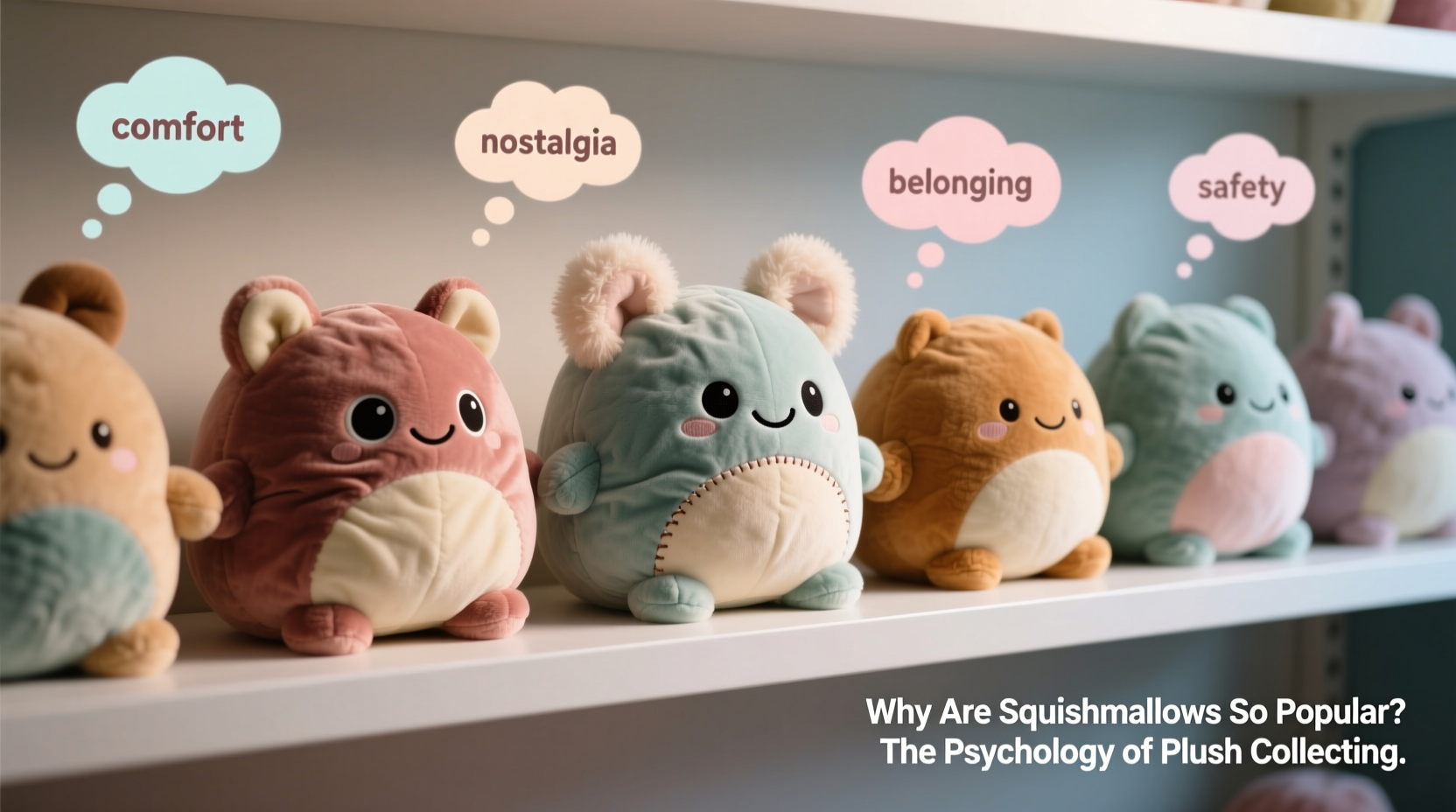
Human beings are wired to respond positively to touch. From infancy, physical contact plays a crucial role in emotional development and stress reduction. The texture of a soft object can trigger the release of oxytocin, often referred to as the \"bonding hormone,\" which helps reduce cortisol levels—the body’s primary stress hormone.
Squishmallows, made from ultra-soft spandex and filled with polyester fiberfill, are engineered for maximum tactile comfort. Their signature squishiness invites hugging, squeezing, and holding—actions that mimic self-soothing behaviors. For many, especially during periods of anxiety or loneliness, holding a Squishmallow becomes a non-verbal coping mechanism.
“Softness isn’t just a texture—it’s a psychological signal of safety. When we hold something plush, our nervous system interprets it as nurturing, like being wrapped in a blanket.” — Dr. Lena Park, Clinical Psychologist specializing in sensory-based therapies
This sensory feedback loop explains why Squishmallows are frequently used by individuals with anxiety, autism, or ADHD. Schools and therapists have begun incorporating them into calming kits, recognizing their ability to ground overstimulated minds.
Nostalgia and the Return to Childhood Comforts
In times of societal upheaval—economic instability, global health crises, political tension—people often regress psychologically, seeking solace in symbols of childhood. Plush toys represent a time when life felt simpler, safer, and more predictable. Squishmallows tap directly into this nostalgic current.
Unlike traditional stuffed animals tied to specific brands or franchises (e.g., Care Bears or Teddy Ruxpin), Squishmallows offer a fresh, modern aesthetic with quirky names and inclusive designs. Each character has a unique backstory and personality, encouraging imaginative play regardless of age. This blend of novelty and familiarity creates emotional resonance without feeling outdated.
A 2023 survey by the National Toy Association found that 42% of adult plush owners cited “nostalgia” as their primary reason for purchasing, while 37% said they bought them “to feel safe during difficult times.” These figures underscore a growing trend: emotional self-care through playfulness.
The Role of Limited Editions and Scarcity
Part of Squishmallows’ allure comes from strategic product scarcity. While widely available, certain characters are released in limited quantities or for short durations, creating urgency and exclusivity. This taps into the psychological principle of *loss aversion*—the idea that people fear missing out more than they enjoy gaining.
Collectors report heightened excitement when hunting for rare variants like “Galentine” (a Valentine’s Day-exclusive unicorn) or “Waffle the Bear,” which sold for hundreds of dollars on resale markets. The thrill isn’t just about ownership; it’s about achievement and identity formation.
| Psychological Driver | How Squishmallows Activate It | Real-World Example |
|---|---|---|
| Comfort Seeking | Ultra-soft fabric and huggable size | Used in college stress-relief events |
| Nostalgia | Familiar plush format with modern twists | Adults buying first toy since childhood |
| Scarcity Effect | Limited releases and regional exclusives | Resale prices up to $500 for rare models |
| Identity Expression | Characters reflect personal traits (e.g., shy, brave) | Teen chooses “Barkley the Dog” because “he’s loyal like me” |
| Social Connection | Online communities and trading culture | Reddit group r/Squishmallows with 300k+ members |
Community and Belonging in the Digital Age
One of the most powerful drivers behind plush collecting is community. Platforms like Instagram, TikTok, and Reddit host thriving Squishmallow subcultures where fans share photos, trade tips, and organize meetups. These digital spaces provide belonging—a critical need, especially among younger generations facing rising rates of loneliness.
For teens and young adults, posting a curated shelf of Squishmallows isn’t just about showing off a collection; it’s a form of self-expression. Each chosen character communicates something about the owner: their values, moods, or aspirations. A pastel-colored unicorn might signal gentleness, while a bold shark could represent confidence.
Trading is another key social element. Unlike passive consumption, trading requires communication, negotiation, and trust. It transforms a solitary hobby into a relational one. Many collectors report forming lasting friendships through swaps—sometimes even meeting in person at conventions.
Mini Case Study: Emma, Age 19
Emma, a college freshman in Oregon, started collecting Squishmallows during her senior year of high school amid pandemic isolation. Initially drawn to “Cam the Cat” for its calming gray color, she soon found herself browsing online forums and joining a Discord server dedicated to trades.
Within six months, her collection grew to over 30 pieces. More importantly, she developed friendships with other collectors across the U.S. “It wasn’t really about the toys,” she says. “It was having people who got excited when I found a rare one. They’d message me, ‘OMG you did it!’ That made me feel seen.”
Her story illustrates how plush collecting can serve as both emotional armor and a bridge to human connection.
The Rise of Adult Plush Collecting: Breaking Stigma
Until recently, plush toys were considered strictly for children. Adults caught hugging stuffed animals risked being labeled immature or emotionally stunted. Yet today, that stigma is eroding—thanks in part to cultural shifts around mental health and emotional intelligence.
Modern wellness discourse encourages self-care practices without judgment. Meditation, journaling, and therapy are now mainstream. So too is using comforting objects to manage emotions. Plush collecting fits neatly within this framework—not as regression, but as intentional emotional maintenance.
Brands have responded accordingly. KellyToys, the company behind Squishmallows, markets directly to adults with slogans like “Soft for the Soul” and collaborates with influencers in their 20s and 30s. Packaging avoids childish fonts, and product descriptions emphasize relaxation and mindfulness.
- Over 35% of Squishmallow buyers are aged 18–34 (Nielsen Consumer Insights, 2023).
- Amazon lists Squishmallows among top-selling items in the “Stress Relief” category.
- Therapists report increased requests for “tactile tools” from clients managing burnout.
Step-by-Step Guide to Starting a Meaningful Plush Collection
Starting a Squishmallow collection doesn’t require deep pockets or expertise. With intentionality, it can become a fulfilling, therapeutic habit. Follow this timeline to build a collection that resonates emotionally and personally:
- Week 1: Reflect on Your Emotional Needs
Ask yourself: Do I crave comfort? Nostalgia? Creativity? Identifying your motivation helps guide your choices. - Week 2: Explore Characters and Themes
Browse the official Squishmallows website or fan galleries. Look for animals, colors, or personalities that speak to you. Some people collect by theme (e.g., ocean creatures, food-inspired). - Month 1: Make Your First Purchase
Start with one accessible piece—perhaps a 12-inch size from a local store or online retailer. Focus on how it feels to hold it. - Month 2: Join a Community
Find a subreddit, Facebook group, or TikTok hashtag (#SquishmallowCheck). Lurk first, then engage. Ask questions and share your new addition. - Month 3+: Expand with Purpose
Add pieces that align with your evolving interests. Consider display options—shelves, beds, or photo setups. Avoid hoarding; prioritize meaningful additions.
Checklist: Building a Healthy Plush Collecting Habit
- ☐ Define your emotional goal (comfort, joy, creativity)
- ☐ Set a budget to prevent overspending
- ☐ Choose characters that reflect your personality or mood
- ☐ Join at least one online community for support
- ☐ Use your plushes actively—hug them, take them to stressful places
- ☐ Rotate or donate if your collection grows beyond comfort
FAQ: Understanding the Squishmallow Phenomenon
Are Squishmallows only for kids?
No. While marketed as toys, over one-third of purchasers are adults. Many use them for emotional support, decoration, or collecting as a hobby. The brand itself acknowledges adult fans through social media campaigns and limited-edition drops aimed at older audiences.
Why do some Squishmallows cost hundreds of dollars?
Rarity drives value. Certain characters are produced in limited runs or exclusive to events (e.g., San Diego Comic-Con). Resellers capitalize on demand, especially when supply is low. However, most standard Squishmallows range from $10–$30 at retail.
Can plush collecting be unhealthy?
Like any hobby, it can become problematic if it leads to financial strain, clutter, or avoidance of real-life issues. The key is balance. If collecting brings joy without negative consequences, it’s likely a healthy outlet.
Conclusion: Softness as a Form of Strength
The popularity of Squishmallows is more than a fad—it’s a reflection of our collective desire for softness in a hard world. In embracing plush toys as tools for comfort, identity, and connection, we’re not regressing; we’re reclaiming emotional authenticity. There is strength in admitting we need comfort. There is wisdom in choosing objects that make us feel whole.
Whether you’re drawn to the velvety texture, the charm of the characters, or the camaraderie of fellow collectors, your interest is valid. The next time you see a shelf lined with smiling creatures, remember: each one represents a moment of peace, a memory, or a friendship formed.




 浙公网安备
33010002000092号
浙公网安备
33010002000092号 浙B2-20120091-4
Comments
No comments yet. Why don't you start the discussion?