
Every semester, millions of college students face a familiar frustration: the shock of textbook prices. A single book can cost over $200, and course materials often total more than tuition for part-time enrollment. While education evolves, textbook pricing seems stuck in an outdated model that prioritizes publisher profits over student affordability. Understanding why textbooks are so expensive requires unpacking a complex ecosystem of publishing practices, academic incentives, and market dynamics.
The Anatomy of Textbook Pricing
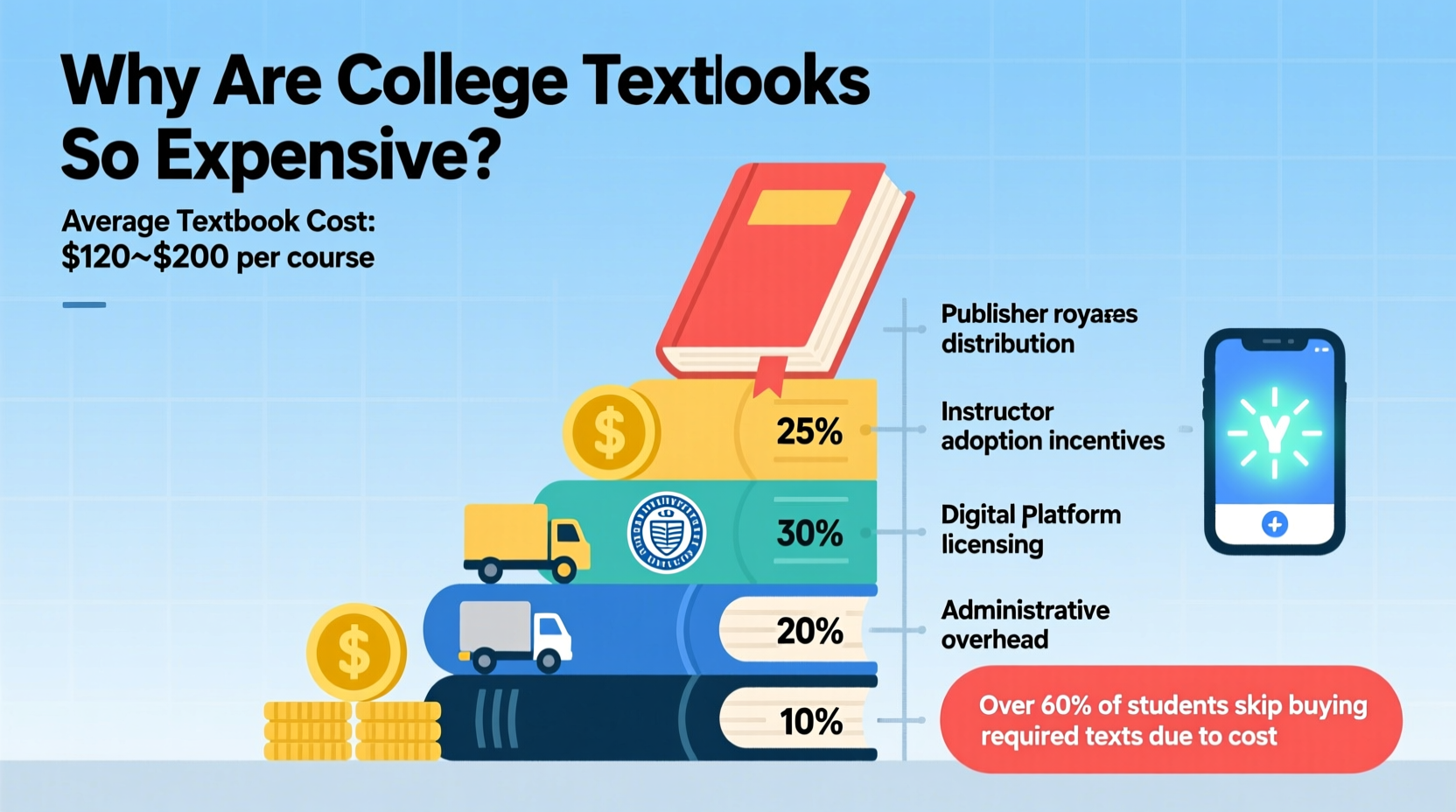
At first glance, the cost of producing a textbook—writing, editing, printing—might seem high, but it doesn’t justify retail prices that rival small electronics. The real drivers lie in distribution control, limited competition, and strategic product cycles. Unlike mass-market books, college textbooks operate in a closed-loop system where instructors choose the materials, students pay, and publishers dominate supply.
Publishers argue that high development costs—especially for STEM titles with diagrams, digital supplements, and adaptive learning tools—justify premium pricing. However, critics point out that much of this content is repurposed from previous editions or created by authors who receive minimal royalties. The bulk of revenue flows to the publisher, not the educator.
Key Factors Driving High Textbook Costs
- New Edition Syndrome: Publishers release updated editions every 3–4 years, often with minor changes. This devalues used copies and forces students into buying new ones.
- Bundled Digital Access: Many courses require access codes for quizzes, homework, or e-books. These are non-transferable and expire, eliminating resale options.
- Lack of Price Transparency: Instructors may not know the cost of assigned texts, and students have no choice but to comply.
- Market Monopoly: A few major publishers—Pearson, McGraw-Hill, Cengage—control over 80% of the market, reducing competitive pressure.
- Instructor Influence: Professors select books without financial accountability, often favoring comprehensive (and costly) titles endorsed by publishers.
“Publishers have turned textbooks into recurring revenue streams through planned obsolescence. It’s not about education—it’s about profit cycles.” — Dr. Rebecca Lin, Higher Education Policy Analyst
Real Impact: A Student’s Story
Maria, a sophomore biology major at a public university, faced a $480 textbook bill for her spring semester. One required text, a genetics lab manual, was priced at $197. She discovered it was the 5th edition, with only two chapters revised from the previous version. Unable to afford all books upfront, she delayed purchasing one until week three, falling behind in readings. Her GPA dropped slightly as a result.
Maria isn’t alone. According to the U.S. Public Interest Research Group (PIRG), 65% of students skip buying a required textbook due to cost, and nearly half report that high prices have caused them to take fewer courses or perform worse academically.
Comparing Textbook Formats and Costs
| Format | Average Cost | Resale Value | Access Duration |
|---|---|---|---|
| New Print Book | $150–$300 | Low (if new edition released) | Lifetime ownership |
| Used Paperback | $70–$150 | None (final buyer) | Lifetime ownership |
| Rental (Print) | $50–$120/semester | N/A | 1 semester |
| Digital E-book | $80–$180 | No resale | Often expires after term |
| OER (Open Educational Resources) | Free | N/A | Unlimited |
The table reveals a critical insight: traditional formats lock students into high-cost, short-term access models, while free alternatives like Open Educational Resources (OER) offer long-term savings without sacrificing quality.
Step-by-Step Guide to Reducing Textbook Expenses
- Check syllabi early: Obtain reading lists as soon as possible to compare prices and explore alternatives.
- Compare formats: Use sites like BookFinder, CampusBooks, or Amazon to compare rental, used, and digital options.
- Seek OER alternatives: Ask your professor or librarian if open-source textbooks are available for your course.
- Use library resources: Many institutions partner with services like VitalSource or offer free e-book lending.
- Sell promptly: If you must buy new, resell immediately after finals to maximize return value.
- Form study groups: Share physical copies among classmates when feasible.
The Rise of Open Educational Resources (OER)
One of the most promising solutions to textbook affordability is the growing adoption of OER. These are freely accessible, openly licensed materials that can be downloaded, shared, and modified. Institutions like Tidewater Community College have launched entire degree pathways using zero-textbook-cost courses, saving students thousands.
Federal and state initiatives now incentivize OER adoption. The FAIR Act and grants from organizations like Achieving the Dream support faculty in transitioning to free materials. Studies show students in OER courses perform as well as—or better than—those using commercial textbooks, likely due to earlier access and reduced financial stress.
Checklist: What You Can Do This Semester
- ✅ Confirm which books are truly required vs. recommended.
- ✅ Search for ISBNs and compare prices across 3+ platforms.
- ✅ Look up older editions—often 90% identical at 60% lower cost.
- ✅ Ask professors if they’d allow an older edition.
- ✅ Explore library reserves or inter-campus loans.
- ✅ Advocate for OER use through student government or department feedback.
FAQ
Why can’t I just use an older edition?
You often can. Unless the course relies heavily on updated data or access codes, older editions are functionally equivalent. Always confirm with your instructor, though—some assignments may reference specific page numbers or problems.
Are digital textbooks cheaper?
Not always. While e-books eliminate printing costs, publishers often charge similar or higher prices due to built-in access codes and expiration dates. True savings come from rentals or open-source digital texts.
Can professors do anything to help?
Yes. Educators can adopt OER, delay required purchases until add/drop ends, or work with libraries to license digital copies. Some institutions now include textbook cost in course evaluations to encourage affordable choices.
Conclusion
The high cost of college textbooks isn’t an accident—it’s the result of a system designed to maximize publisher revenue at student expense. But awareness is growing, and practical alternatives exist. By leveraging OER, comparing formats strategically, and advocating for institutional change, students and educators alike can push back against unsustainable pricing.




 浙公网安备
33010002000092号
浙公网安备
33010002000092号 浙B2-20120091-4
Comments
No comments yet. Why don't you start the discussion?